







The question “Is Depop reliable?” is likely the first thing that comes to mind as you scroll through vintage tees and Y2K fashion on your screen. The world of online thrift shopping is booming, but so are the concerns about safety, authenticity, and trust. You may wonder if your money is secure or if that rare item will actually arrive.
At TurisVPN, we understand that digital safety is just as important as finding a great deal. Whether you are hunting for a unique style or clearing out your closet, knowing the ins and outs of the platform is crucial. In this guide, we will break down everything you need to know about Depop, from common scams to expert safety tips, ensuring your experience is secure.
Alt: is depop reliable for vintage fashion shopping and secure transactions
Is Depop Reliable?
Yes, Depop is a reliable and legitimate platform for buying and selling fashion, connecting millions of users globally through a secure infrastructure. Depop is a legitimate marketplace that connects millions of buyers and sellers globally. However, like any peer-to-peer platform, it is not immune to risks. The app itself provides robust protections, such as Buyer Protection programs, to keep transactions secure.
Crucially, it is important to distinguish between the platform’s security and the users within it; while Depop’s technical foundation is trustworthy, the quality of your specific transaction can be influenced by the individual seller. Therefore, reliability is a shared responsibility: Depop secures the environment, but you must verify the seller.
Thousands of successful transactions happen daily, proving that “is Depop reliable” is a question with a positive answer for the majority. Ultimately, understanding this dynamic is the key to ensuring you fall into the successful majority. We believe that with the right tools, including a secure connection via TurisVPN, you can navigate this marketplace with total confidence.
Understanding the Legitimacy of Depop
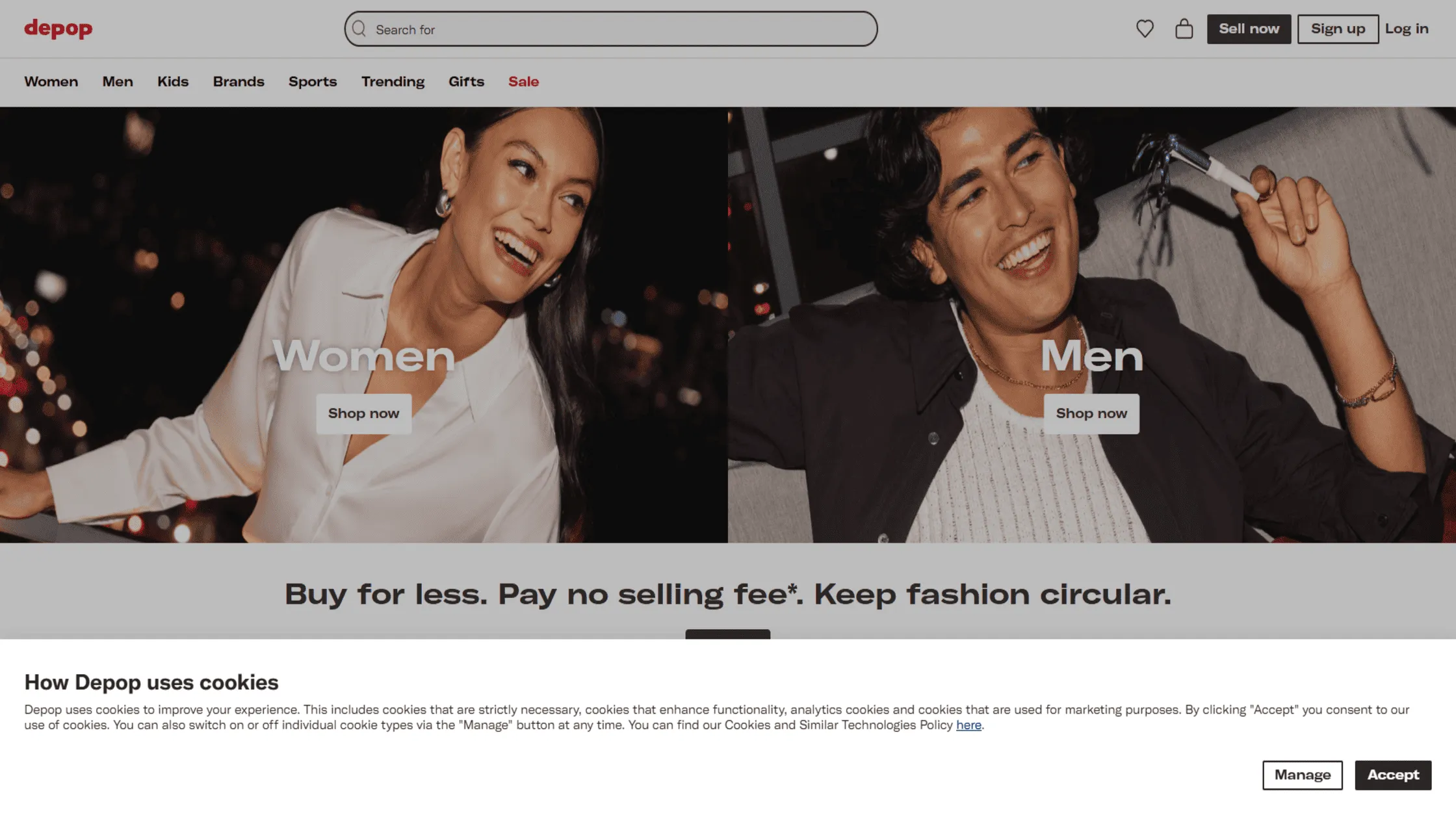
To truly understand the platform, we must look beyond the surface and ask: Is Depop a legit site in terms of business structure and operation?
To define it, Depop is a peer-to-peer social e-commerce application primarily used for buying and selling secondhand fashion. Its core component is the social interaction aspect, which mimics Instagram, allowing users to “like” items and follow sellers. A variation of this model is seen in sites like Poshmark or Mercari, but Depop specifically targets Gen Z and vintage enthusiasts.
An example of its legitimacy is its acquisition by Etsy in 2021 for $1.6 billion, a move that solidified its standing in the global market. The meaning of this for you is simple: you are dealing with a corporate-backed entity, not a shady fly-by-night operation.
So, where is Depop based? The company is headquartered in London, England, with additional offices in Manchester, New York, and Los Angeles. Knowing where Depop is based adds a layer of trust, as they are legally required to operate under strict consumer protection laws in both the UK and the US. This includes compliance with the GDPR for data privacy and adherence to robust financial regulations for processing payments. Examining this solid corporate footprint confirms that they are a fully registered and regulated business, thereby laying to rest any doubts about the platform’s foundation.
Furthermore, Depop reviews on platforms like Trustpilot or the App Store paint a broad picture. While Depop reviews are mixed, often highlighting both great finds and frustrating customer service, they confirm that real people are buying and selling on the platform every day.
This active user base, combined with their legal compliance and corporate backing, serves as definitive proof that the answer to “Is Depop reliable?” is a resounding yes.
Common Scams on Depop and How to Avoid Them
Alt: depop scams warning signs, including off-platform payment requests via Venmo or CashApp
Although the answer to “Is Depop reliable?” is generally yes, the platform does have a darker side. Depop scams are a reality that can catch even savvy shoppers off guard. You might wonder, can you get scammed on Depop if you are careful? Unfortunately, the answer is yes if you don’t know what to look for. Ironically, understanding how to scam on Depop, or rather, how scammers operate, is the best way to protect yourself.
1. Off-Platform Payment Requests
The most frequent scam involves a seller asking you to pay outside the app. They might offer a discount if you use Venmo, CashApp, or PayPal “Friends and Family” to avoid fees. Why is this a trap? Because these payments act like cash transfers, once sent, they cannot be reversed.
Watch out for key warning signs: a brand-new seller profile with zero reviews, a luxury item listed at an impossibly low price, or a seller creating false urgency by claiming “someone else is about to buy it.” If you agree, you lose all buyer protection.
If you ask, “Is Depop reliable?” when paying outside the app, the answer is a hard no. You will likely never see the item or your money again. To stay safe, always use the in-app “Buy” button. This activates Depop’s Buyer Protection policy, which guarantees a full refund if your item does not arrive or is not as described.
2. Phishing and Fake Confirmation Emails
Scammers may ask for your email address, claiming they need it to confirm a sale. They then send a fake email that appears to be an official Depop notification, stating that the item has been paid for. This is a classic phishing tactic. To protect yourself, never rely solely on email. Check the sender’s email address closely; official emails only come from “@depop.com”.
Always check the app itself; if the sale isn’t recorded there, it didn’t happen. Furthermore, never click on links inside these suspicious emails, as they may be designed to steal your login credentials.
3. Address Change Scams
In this scenario, a buyer purchases an item but immediately messages you asking to ship to a different address than the one on file. They might use excuses like “I just moved and forgot to update my profile” or “This is a birthday gift for my sister, please send it to her house directly.” If you ship to the new address, they can claim the item was never delivered to the registered address. This voids your seller protection.
Crucially, Depop’s Seller Protection policy specifically states that you are only covered if you ship to the address shown on the in-app receipt. If a dispute arises, being able to provide a valid tracking number that matches the registered address is the only way Depop can intervene and rule in your favour.
The safest course of action is to refund the original transaction and request that the buyer repurchase the item, ensuring the correct address is entered in the app.
4. “Item Not Received” Claims
Some dishonest buyers will receive an item and then file a claim stating it never arrived. This is why tracking numbers are non-negotiable. Without tracking, you have no proof of delivery, and the platform will likely side with the buyer, resulting in both the loss of goods and funds.
However, Depop’s Seller Protection fully covers you if you can provide valid proof of delivery to the address on the receipt. Ensure you use a tracked shipping method and upload the tracking number into the app immediately after dispatching to secure this support.
5. Fake Returns (Empty Box Trick)
A buyer might claim an item is not as described and request a return. When you receive the return package, it might be empty or contain a different, worthless item. This is a complex form of fraud that requires you to document the opening of return packages to prove that Depop scams occurred.
Protect yourself by filming a continuous video while opening any return package, clearly showing the label and contents. Additionally, always vet the buyer’s profile before approving a return; if they have a history of disputes, contact Depop support immediately for mediation.
6. Unprotected Trades (Swaps)
“Swapping” items instead of buying them is popular but risky. Scammers exploit this by agreeing to a trade, waiting for you to ship your item, and then simply blocking you without ever sending their part of the deal. There is no official protection for trades. If you send your item and the other person sends nothing, you have little recourse.
We recommend “buying” each other’s items for an agreed price within the app to ensure protection exists. This way, if one party fails to ship, the other can claim a refund through the app’s standard protection channels.
How to Spot a Legit Depop Listing?
To confidently answer “Is Depop reliable?” for a specific item, you need to act like a detective. Analyzing a listing before you buy is your first line of defense against fraud.
1. Scrutinize Photos and Media
High-quality, original photos are a must. Don’t just look for “good” photos; look for consistent backgrounds. If one photo is taken on a wooden floor and the next is on a marble counter, the seller is likely to have stolen images from different sources. Always perform a reverse image search on the main photo to ensure it hasn’t been lifted from eBay or Instagram. A legit seller usually posts multiple angles and often includes a handwritten note with their username in the photo to prove ownership.
2. Evaluate Listing Details
Go beyond just reading the description. A major red flag is pricing that defies market logic. If a luxury or high-demand item (such as a designer bag or limited-edition sneaker) is listed for 60–80% below its typical resale value, it is almost certainly a scam. Legit sellers know the value of their goods; no one is selling a $500 item for $50 just to “get rid of it.” Additionally, look for specific details, such as photos of the wash tags, brand labels, or original receipts, rather than vague descriptions like “vintage dress” with no size or fabric information.
3. Check the Seller Profile
Look at their history contextually. Do they have previous sales? What do their Depop reviews say? Be skeptical of “burner” accounts, profiles with no profile picture, usernames filled with random numbers, and zero “likes” given to other items. A new account with zero reviews selling high-value items is the single biggest risk factor on the platform. While everyone starts somewhere, proceed with extreme caution when dealing with sellers who offer zero feedback on expensive listings.
4. Direct Red Flags
If a seller pressures you to buy immediately or asks for personal contact information, back away. Scammers often try to create a sense of urgency or lure you off-app with phrases like “Text me on Instagram for a faster reply.” Also, be cautious of robotic language in messages, such as generic replies that don’t answer your specific questions about measurements or conditions, as it can indicate that a bot is involved.
How to Buy Safely on Depop?
Is Depop a reliable platform for buying? Yes, if you follow strict safety protocols. Buying safely is about minimizing variables and staying within the platform’s “walled garden.”
1. Essential Safety Rules
Never take communication off the app. Keep all chats and transactions within Depop. This creates a digital paper trail that support teams can review if something goes wrong. If a dispute arises, this evidence is vital.
2. Steps to Verify a Listing
Before you click buy, message the seller. Ask specific questions about the item’s condition. Ask for an extra photo of a specific detail, like the wash tag. A real seller will be happy to oblige; a scammer often won’t have the item to photograph.
3. Securing Your Purchase
Use Depop Payments or PayPal through the app. These methods offer Buyer Protection. This ensures that if your item doesn’t arrive or is significantly different from the description, you can receive a refund.
How to Sell Safely on Depop?
Sellers often ask, “Is Depop reliable?” regarding getting paid and avoiding fraudulent chargebacks. Selling requires just as much vigilance as buying.
1. Maintain Seller Protection Eligibility
To stay protected, you must ship to the address listed on the in-app receipt. Never change the address. Always use a shipping method that includes tracking. For expensive items, a signature is required upon delivery.
2. Defend Against Fraudulent Claims
Document everything. Take photos of the item before you pack it, and consider filming yourself packing it if the item is high-value. This evidence can be used to dispute claims that you sent a damaged or incorrect item.
3. Identify and Avoid Common Seller Scams
Be cautious of users who send you suspicious links or request that you email them. Unlike platforms like LeaseRunner, which meticulously verify tenants, Depop relies on you to spot these red flags. If a buyer sends a link claiming to be a “payment confirmation,” do not click it.
4. Communication and Account Security
Keep your account secure with a strong password. Respond to buyers promptly and professionally. Good communication can often prevent misunderstandings from escalating into disputes or bad reviews.
Why TurisVPN Is an Essential Tool for Safe Shopping on Depop
You might ask, “Why do I need a VPN for shopping?” When you evaluate “is depop reliable,” you must look beyond the seller and consider the security of your own connection. Depop is driven by fast-paced “drops” and unique vintage finds, which often means you are making impulse purchases on your phone while connected to public Wi-Fi in coffee shops or airports. These unsecured networks are prime targets for data theft.
To protect your transaction without losing the race for a rare item, choosing the right tool is key. The difference between paid VPN services and free ones becomes clear here; unlike sluggish free proxies that might cause you to miss a sale due to lag, TurisVPN provides the high-speed encryption necessary to buy instantly and safely.
Furthermore, since Depop is a mobile-first platform, your smartphone effectively becomes your wallet. Understanding the benefits and limitations of VPN on iPhone helps you realise that mobile security is just as critical as desktop protection.
Essentially, what is the Depop app activity if not a constant stream of sensitive mobile data? TurisVPN secures this traffic, ensuring your credit card details remain private, whether you are browsing on 5G or an open Wi-Fi network.
How TurisVPN Protects Your Privacy While Shopping
Public Wi-Fi networks in coffee shops or malls are hunting grounds for cybercriminals. Specifically, when you input credit card details or login credentials on these open networks, you are vulnerable to “Man-in-the-Middle” attacks where hackers intercept your data stream in real-time.
Does a VPN protect you from hackers? Absolutely. By masking your IP address and encrypting your data packets, TurisVPN makes you invisible to potential attackers waiting on insecure networks.
Additionally, geo-restrictions can be a hassle. Sometimes, access to specific regional marketplaces can be blocked. Rather than being limited by these digital borders, using TurisVPN allows you to access Depop securely from anywhere in the world, ensuring you never miss a drop, regardless of your location.
Bottom Line
Is Depop reliable enough for your next vintage haul? We conclude that yes, Depop is a trustworthy platform, provided you navigate it with awareness and caution. By sticking to in-app payments, verifying sellers, and understanding the common tricks used by scammers, you can safely enjoy the treasure hunt.
We have explored whether Depop is legit, analysed Depop reviews, and uncovered Depop scams. The key takeaway is that safety is a shared responsibility. The app provides the tools, but you must use them correctly. Pair your smart shopping habits with the robust digital security of TurisVPN, and you have a foolproof strategy for online fashion success. Don’t let the fear of Depop reliability hold you back. Just stay alert, stay secure, and happy shopping.
FAQs
Q1. Is Depop Safe to Buy From?
Yes, generally speaking, as long as you use the “Buy” button within the app. This activates Buyer Protection, which covers you if an item is lost or not as described.
Q2. Can a Buyer Get Scammed on Depop?
Yes, it is possible. The most common method is being lured off the app to pay via Venmo or Cash App. Once you leave the platform, Depop cannot assist you in recovering your funds.
Q3. What Are the Red Flags to Watch for When Shopping on Depop?
Watch out for sellers with no Depop reviews, unrealistically low prices, and requests to communicate via email or text. Also, be aware that knowing how to scam on Depop involves spotting users who refuse to use tracked shipping.