







When it comes to staying safe online, using a VPN has become a must. But with so many options out there, it can be hard to know where to start. Should you go for a Paid VPN vs Free VPN? While both promise to protect your data, they each have their own advantages and disadvantages.
In this blogpost, we’ll break down the key differences between free and paid VPNs, so you can make an informed decision on which is the right choice for your needs. Whether you’re a casual surfer, a gamer, or someone who values online privacy, we’ll help you find the best VPN to keep your connection secure and your data private.
Key Takeaways
- Free VPNs provide basic protection but come with limitations like slower speeds and fewer servers.
- Paid VPNs offer stronger security, faster speeds, and more advanced features for serious privacy protection.
- Free VPNs often generate revenue by selling your data or showing ads, compromising your privacy.
- Paid VPNs are better for activities like streaming and gaming, offering access to more servers and content.
- TurisVPN offers both free and premium plans, with the premium plan providing enhanced features and security for a low cost.
What Is Free VPN?
A Free VPN is a Virtual Private Network service that allows users to browse the internet securely without paying for the service. It encrypts your internet traffic and hides your IP address, helping you protect your privacy while online.
While free VPNs provide basic features like encryption and geo-restricted content access, they often come with limitations compared to premium services. These limitations include fewer server options, lower speeds, and potential security risks.
- Free VPN: Free VPNs tend to have a much smaller selection of servers. They might only offer a few locations to choose from, limiting your ability to access geo-restricted content or secure your internet connection on specific networks. Also, due to the limited server network, free VPNs are often overcrowded, resulting in slower speeds.
Who wins: Paid VPNs are the go-to choice for users who want access to a wide range of global servers and the ability to unblock region-restricted content like Netflix or BBC iPlayer.
Is TurisVPN free? The Latest Pricing Plan
Yes, TurisVPN offers a free plan for users who want casual, secure browsing without any cost. It’s a great option for those who just need basic protection and privacy online.
With the free plan, you’ll get secure access to your favorite websites, but there are some limitations, such as a 1GB daily data cap and access to your origin location and USA servers only.
However, if you’re looking for more advanced protection and enhanced features, we recommend TurisVPN Premium. Here’s a breakdown of the available pricing plans:
| Plan | Features | Price |
| Free Plan | – Secure browsing with 1GB daily data limit- Access to your origin location and USA servers only- 1 device limit | $0.00 (Free) |
| Premium Plan | – WireGuard VPN Protocol- IP-2Hop for added protection- Ads-free experience- 4 devices limit- Access to all servers worldwide- Dark mode- Unlimited data and connection time | $3.99/month $2.99/month (for yearly subscription) |
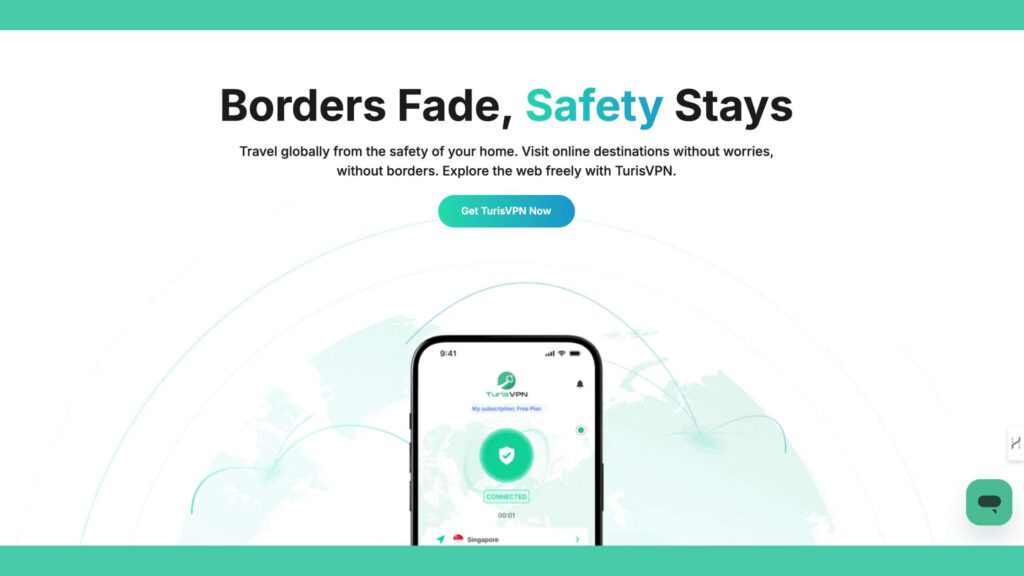
Here’s an easy step-by-step guide for you to use TurisVPN:
- Step 1: Visit the TurisVPN website and select your plan: Free or Premium.
- Step 2: Download the app for Windows, Mac, Android, or iOS and install it.
- Step 3: Open the app and log in with your credentials (free or premium).
- Step 4: Choose a server (USA for free users, all servers for premium) and click Connect.
- Step 5: Start Browsing Safely with TurisVPN
Bottom Line
The decision to choose between paid VPN vs free VPN depends on your needs. If you’re just looking for basic, occasional protection with limited features, a free VPN might suffice. However, for better security, faster speeds, and access to more servers, a paid VPN is the clear winner.
TurisVPN, with both free and premium plans, offers a secure and affordable solution tailored to all users. Whether you’re browsing casually or need top-tier protection, TurisVPN has you covered.