







For many, the question of what do VPNs do remains a mystery, often relegated to the world of technical jargon or niche privacy advocates. However, a Virtual Private Network (VPN) is no longer a tool just for the tech-savvy; it is an essential piece of software that fundamentally redefines your entire online experience. This article dives deep into what do VPNs actually do, exploring their core functions, benefits in various domains, and practical insights about usage, cost, and legality. TurisVPN stands out as a reliable tool to help you make the most of your VPN experience safely and efficiently.
What Is a VPN and How Does It Work?
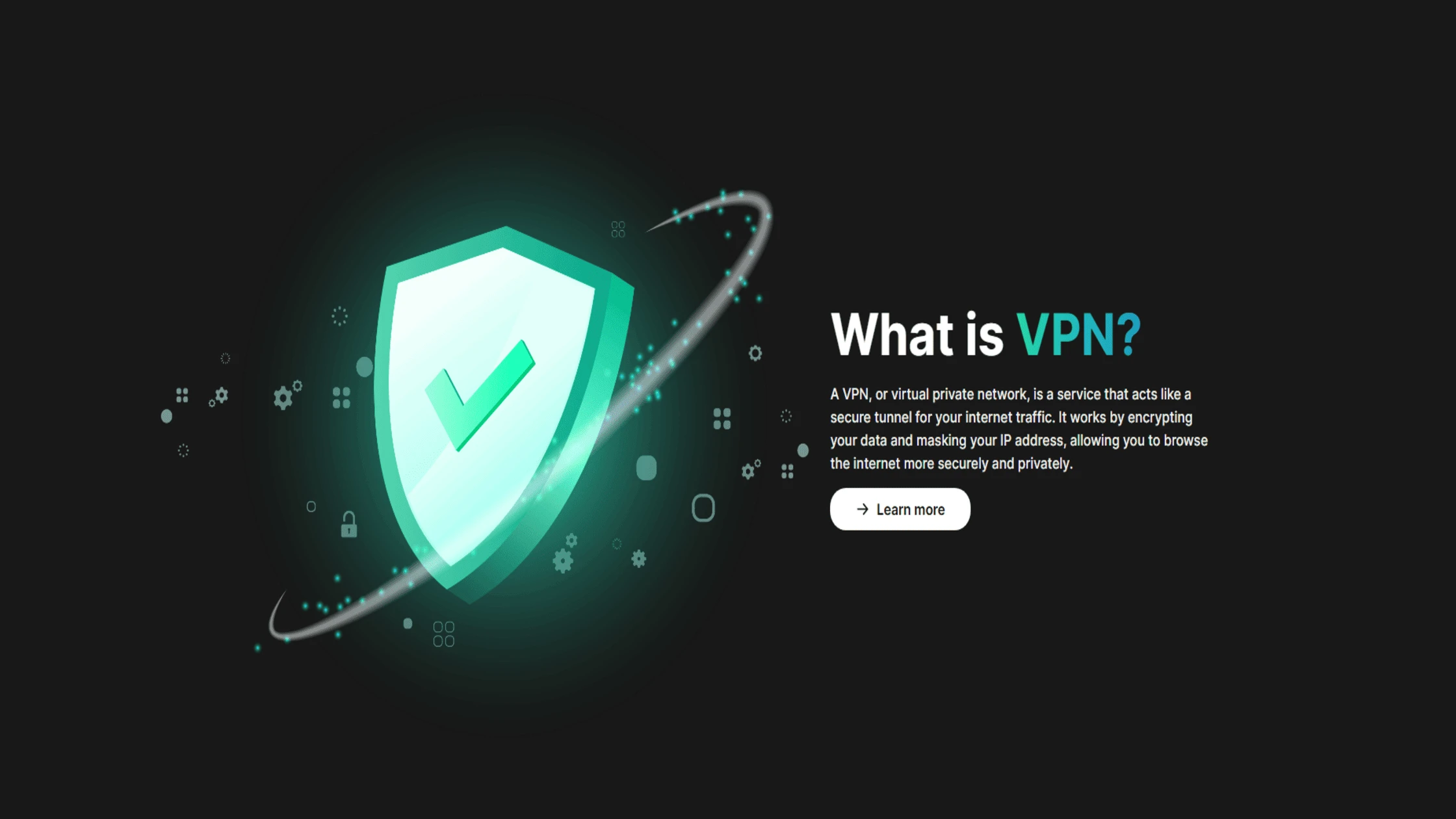
A VPN stands for Virtual Private Network. This service provides a secure, encrypted link between your device and the internet. Its core purpose is to shield your online activities by encrypting data and hiding your actual IP address. When you use a VPN, your internet connection routes through a remote server run by the VPN provider, such as TurisVPN. This server forwards your online requests while masking your IP address with one of its own, often from a different location. It enhances privacy and lets you access content restricted by geographic location. Setting up a VPN requires installing client software on your device. The software encrypts data and manages communication with the VPN server. This secure process is what makes us confident in our answer to do VPNs work. VPNs come in several types:
- Remote Access VPNs connect individual users to a private network, often used by remote workers.
- Site-to-Site VPNs securely link entire networks over the internet, such as branch offices.
- Mobile VPNs maintain connections while switching between networks, ideal for mobile users.
VPNs ensure your peace of mind and secure your digital life. For users who want to optimize their connection, learning about which VPN protocol to use can be very helpful.
4 Core Functions: What a VPN Actually Does for You
 To provide a comprehensive answer to the question, “What do VPNs do exactly?”, we can examine four key functions. These features combine to create the secure, private experience that makes VPNs necessary for modern internet use.
Hides Your Real IP Address
One of the fundamental features of a VPN is to mask your true IP address. Your IP address is your unique internet ID, revealing location and identifying data. VPNs hide this with an IP address from their server. This concealment prevents websites and attackers from tracking or targeting you, greatly improving your online privacy.
Encrypts Your Internet Traffic
VPNs create a secure, encrypted tunnel between your device and the internet. This encryption scrambles your data, making it unreadable to unauthorized users. Even on unsecured public Wi-Fi networks, VPN actually protects your sensitive information, such as login credentials, financial details, and private communications. Encryption is the backbone of what a VPN does for security, providing confidential and safe browsing. If you wonder if this security can fail, you might want to learn more about whether a VPN can be hacked.
Bypasses Geo-Restrictions
Many streaming platforms, websites, and services restrict content by region. By connecting to VPN servers in countries where content is available, you can easily bypass these geo-blocks. Whether you want to watch international shows or access region-locked resources, the VPN’s ability to spoof your location is invaluable.
Prevents ISP Throttling & Tracking
Internet Service Providers (ISPs) often track user activity and may slow down your connection during bandwidth-intensive activities, such as streaming or gaming. A VPN hides your traffic from ISPs, preventing throttling and protecting your privacy by stopping them from monitoring your online activities.
What Do VPNs Do for Streaming?
 Streaming services limit shows based on geography. Understanding what do VPNs do for streaming clearly shows how they boost your viewing experience:
Unlock Geo-Restricted Content
Certain video streams, movies, and shows are limited to specific countries, creating frustration for global users. A VPN enables you to connect to servers in the desired region, thereby unlocking these restrictions and expanding your entertainment options.
Avoid ISP Throttling for Smoother Streaming
Buffering issues often result from ISP throttling, which is designed to slow down traffic during periods of heavy bandwidth usage. By encrypting your connection, VPNs prevent your ISP from seeing what you’re streaming, bypassing throttling and improving your viewing experience.
Enhancing Privacy and Security
Streaming often involves sharing personal data with platforms or advertisers. Using a VPN like TurisVPN encrypts your traffic and hides your IP address, helping to protect your identity and online behavior from trackers and cyber threats.
What Do VPNs Do for Gaming?
Gaming requires a stable and secure connection. VPNs can offer specific benefits in this domain.
Reduce Lag and Ping Spikes
VPNs can optimize how you route traffic to gaming servers, reducing lag and unexpected ping spikes that can ruin your gaming experience. This is especially important for any online game, as milliseconds can be the difference between victory and defeat.
Protect Against DDoS and IP Tracking
Gamers are sometimes targeted by distributed denial-of-service (DDoS) attacks or unwelcome tracking. By masking your real IP address, VPNs protect you from exposure to such malicious activity.
Access Region-Locked Games & Early Releases
Like streaming, many games are released at different times depending on the region in which they are available. VPNs enable gamers to connect to servers in different countries, allowing them to access region-specific games or early releases.
What Do VPNs Do for Remote Work?
 With remote work becoming increasingly commonplace, VPNs play a crucial role in protecting workplace data and ensuring secure access.
Secure Data Transmission Over Public Networks
Remote employees regularly connect to free public Wi-Fi. Generally, these networks are often open to individuals who can possibly take advantage of them. VPNs encrypt the data as it is being transferred between devices. This keeps sensitive work documents and communications safe from hackers. For those working on a mobile device, understanding how VPNs function on iPhone and Android is crucial for maintaining security while traveling.
Enable Safe Access to Company Resources
Numerous organizations have a VPN for remote employees. This is how employees can safely access internal servers and apps. VPN connections provide a private section of the network for employees to work securely from anywhere. This is what a virtual private network does for businesses to keep things running smoothly. Beyond personal security, it’s worth a moment to consider other privacy-enhancing tools. You may want to investigate the differences between a full VPN and other services, such as iCloud Private Relay.
Ensure Compliance and Privacy for Teams
Companies handling sensitive information use VPNs to comply with data protection regulations. VPNs also help maintain high corporate privacy. They limit the exposure of internal resources. For details on features, our guides, such as ‘How to Use a VPN,’ provide in-depth help. We also ensure that the things you want to keep private, such as your search history, remain private.
VPN Pros & Cons You Should Know
The benefits of using a Virtual Private Network are strong. Still, users should also be aware of the limits. Knowing both sides helps set realistic expectations for the service.
Benefits
The core of what do VPNs do is to provide superior online privacy and security. The benefits include:
- Better online privacy and anonymity
- Bypassing content blocks and censorship
- Protection from hackers, especially on public Wi-Fi
- Access to global content and services
- Secure business connections for remote work
If you already use private browsing, combining it with a VPN provides even greater anonymity. To get the best results, you can learn how to use a VPN in incognito mode.
Limitations
While a VPN helps greatly, it has limits:
- Potential speed reduction due to encryption overhead
- Some services block popular VPN IPs
- Not a substitute for antivirus or complete cyber defense
- Free VPNs often have limited features or questionable privacy policies
Some users ask if they need a VPN when using highly private browsers like Tor. We discuss this in our guide, “Do You Need a VPN for Tor?”
How TurisVPN Enhances Your Everyday Experience
 A VPN creates a secure, private connection over the internet. It encrypts your data, hides your IP, and unlocks content. TurisVPN makes this easy and effective. Our app is simple to use and features strong encryption. A VPN should provide complete and user-friendly security. Here is how you start using TurisVPN:
- Download the App: Install TurisVPN from your device.
- Create an Account: Open the app and log in or sign up.
- Select a Server: Choose a server location that meets your needs.
- Connect: Tap the connect button. Your device now has a secure, encrypted connection. Your IP address is now the IP address of the VPN server.
- Enjoy Safe Browsing: Use the internet as you normally would. Your data is protected, and your activities are private.
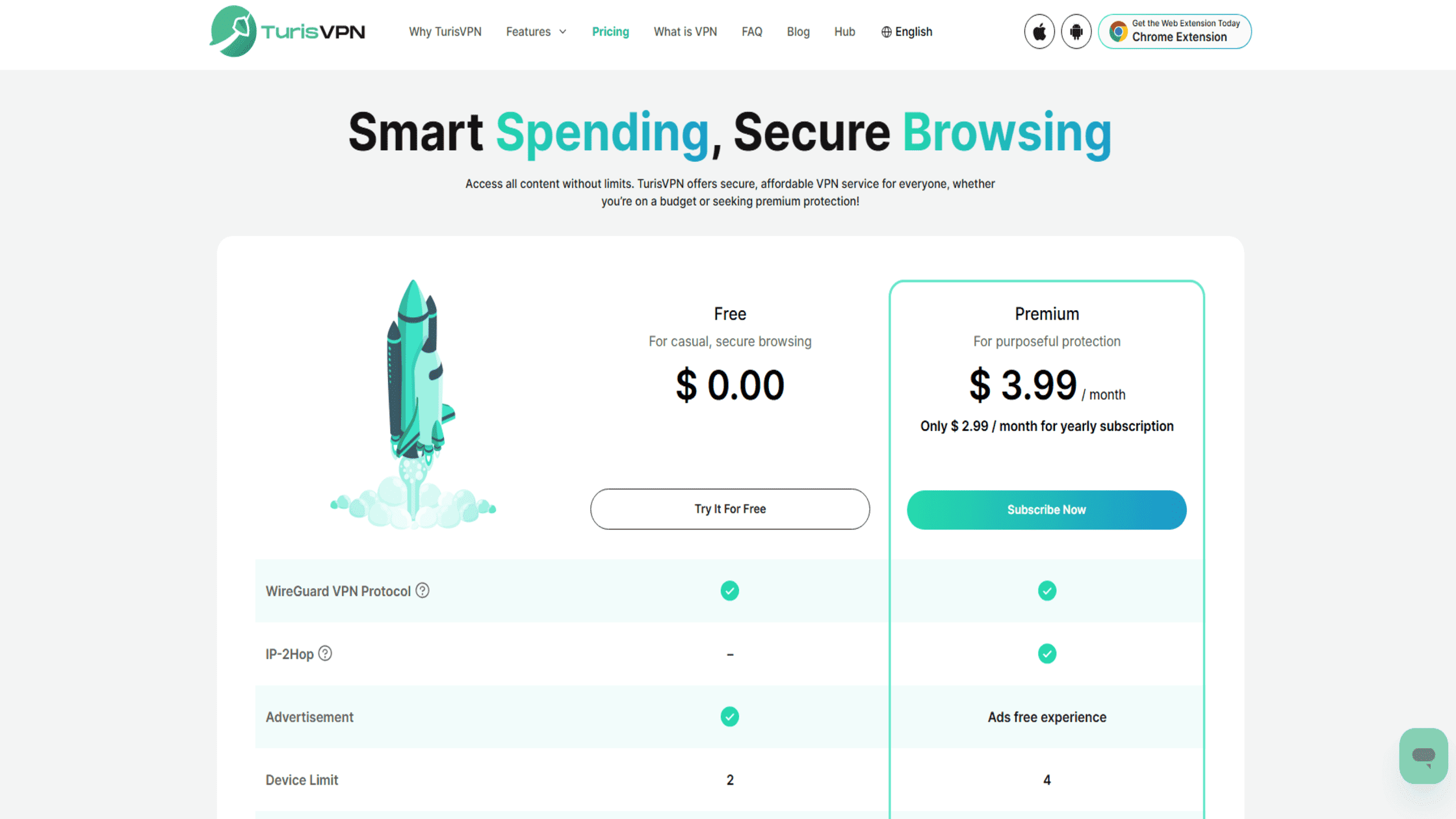
Wondering about how much do VPNs cost or whether you have to pay for VPNs? We explain the value of premium services over free options in our paid vs free VPN guide.
Bottom Line
In conclusion, the fundamental answer to what do VPNs do is that they create a secure, encrypted, and private internet experience. A VPN encrypts your traffic, hides your IP address, prevents your ISP from tracking or throttling you, and unlocks global content for streaming and gaming. From securing your remote-work data to ensuring that your browsing history and personal information remain private, a high-quality service like TurisVPN is the single most effective tool for managing your digital footprint and protecting your online freedom.
FAQs
Q1. What is a VPN, and why do I need it?
A VPN (Virtual Private Network) is an application that creates an encrypted, secure tunnel between your device and a remote server. It encrypts your internet traffic and hides your IP address, protecting your privacy and enabling access to restricted content. It’s essential for secure browsing, especially on public networks.
Q2. Can I be traced if I have a VPN?
While VPNs hide your IP and encrypt data, complete anonymity isn’t guaranteed. Factors like cookies and online accounts can still expose identity. However, VPNs significantly increase your privacy.
Q3. Are VPNs really private?
Yes, they are, but only if you choose a trustworthy, no-log VPN provider. The privacy of your connection fully depends on the VPN’s policy. If a VPN service records your activity logs, it can be forced to share that data. TurisVPN‘s audited no-logs policy guarantees your activities are truly private from us and everyone else.
Q4. Is using a VPN legal?
Yes, using a VPN is legal in most countries. However, some regions heavily regulate or ban the use of VPNs. It’s important to check local laws before usage.
Q5. Will a VPN slow down my internet?
VPNs can slightly reduce speeds due to encryption and routing, but high-quality VPNs minimize this impact while improving overall stability and security. To understand the bandwidth impact, you may find our guide on how much data a VPN uses per hour helpful.