







In 2024, Malaysia became a key target of a major cyber attack by the notorious ROOTK1T hacking group. Malaysia faces over 3,000 cyber attacks each day, making it a prime target for sophisticated cyber threats.
These attacks highlighted the severe risks posed by rootkits, a type of malware that can cause significant damage while remaining hidden from detection.
In this blog post, we’ll explain what rootkit Malaysia is, the types used in the Malaysia attack, how they were detected, and the lessons we can learn to improve cybersecurity and prevent future attacks.
Key Takeaways
- Rootkits pose a severe threat by hiding deep within systems, making them difficult to detect and remove.
- Malaysia faces over 3,000 cyber-attacks daily, with the ROOTK1T group’s attacks highlighting the need for stronger cybersecurity.
- The ROOTK1T hacker group is notorious for targeting critical sectors like finance, government, and telecommunications.
- Proactive cybersecurity measures, such as regular software updates and employee awareness, are crucial in defending against sophisticated threats.
- Using TurisVPN can add an extra layer of security, masking your IP address and encrypting online activities.
What is Rootkit?
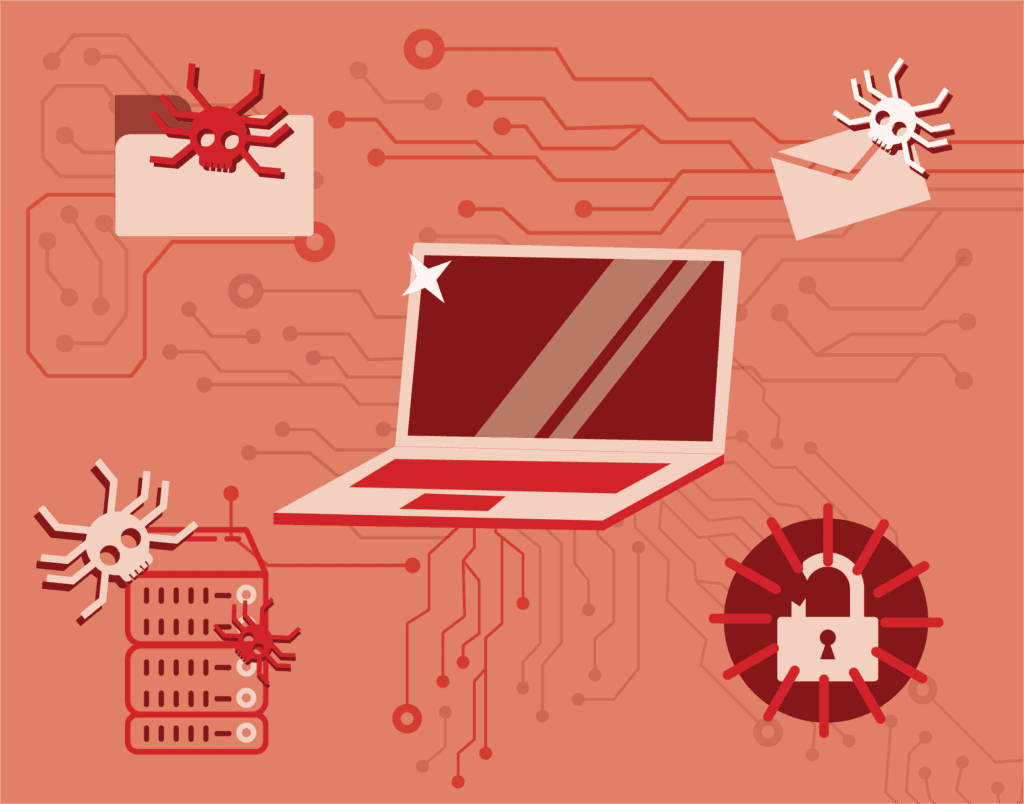
A rootkit is a type of malicious software (malware) that allows hackers to gain unauthorized access to a computer or network without being detected.
Aminia was one of the first companies to be affected, confirming a breach, although they stated that no sensitive data was leaked. YouTutor, another target, had its website altered and user data exposed. Maxis, a leading telecom company, faced ongoing threats and alleged breaches, which led to increased concern over its security measures.
These attacks have shown how vulnerable Malaysia’s infrastructure is to advanced cyber threats. As a result, both companies and the government are now focusing on improving their cybersecurity.
The National Cyber Coordination and Command Centre (NC4) has issued warnings to all organizations, urging them to strengthen their defenses to prevent further damage. The continuing threats from ROOTK1T in Malaysia have not only disrupted operations but have also highlighted the need for stronger cybersecurity strategies across the country.
What To Learn From ROOTK1T Malaysia Case Study?
The ROOTK1T attacks on Malaysia provide several critical lessons in cybersecurity for individuals and organizations alike:
- Proactive security measures: Implementing proactive security measures includes using firewalls, endpoint protection, and zero-trust architecture to prevent unauthorized access and reduce the chances of cyber-attacks like those from ROOTK1T.
- Regular software updates: Keeping your software, systems, and applications up-to-date is one of the best defenses against rootkits and other malware. Regular updates ensure that vulnerabilities are patched before hackers can exploit them. .
- Employee awareness: : Many cyber breaches occur due to human error. Regular cyber awareness training for employees helps them recognize phishing attempts and other threats, which significantly lowers the risk of an attack.
- Practice Basic Cyber Hygiene: For individuals, it’s crucial to follow basic cybersecurity practices like avoiding phishing emails, keeping systems updated, backing up data regularly, and being cautious with downloads and attachments. These simple steps can help prevent rootkit infections.
- Use a VPN for Enhanced Security: TurisVPN provides an additional layer of protection by masking your IP address and encrypting your online activities. This makes it harder for hackers to track or target your browsing sessions, offering an extra level of privacy and security.
Bottom Line
The ROOTK1T Malaysia cyber attacks show how dangerous it can be online. They can hide deep in systems, causing major problems while staying undetected.
To stay safe, it’s important to keep your software updated, be aware of threats like rootkits, and use TurisVPN to protect your online activity. With cyber-attacks increasing, especially in Malaysia, focusing on cybersecurity has never been more crucial.