






You’re swiping and flirting, then suddenly, the conversation turns weird or a little too perfect. So, are there bots on Tinder? Definitely. Bots are everywhere on the app, blending in with real users and sometimes fooling even the most tech-savvy daters. This guide will help you stay one step ahead, avoid falling for fakes, and enjoy a safer dating experience.
What Are Tinder Bots?
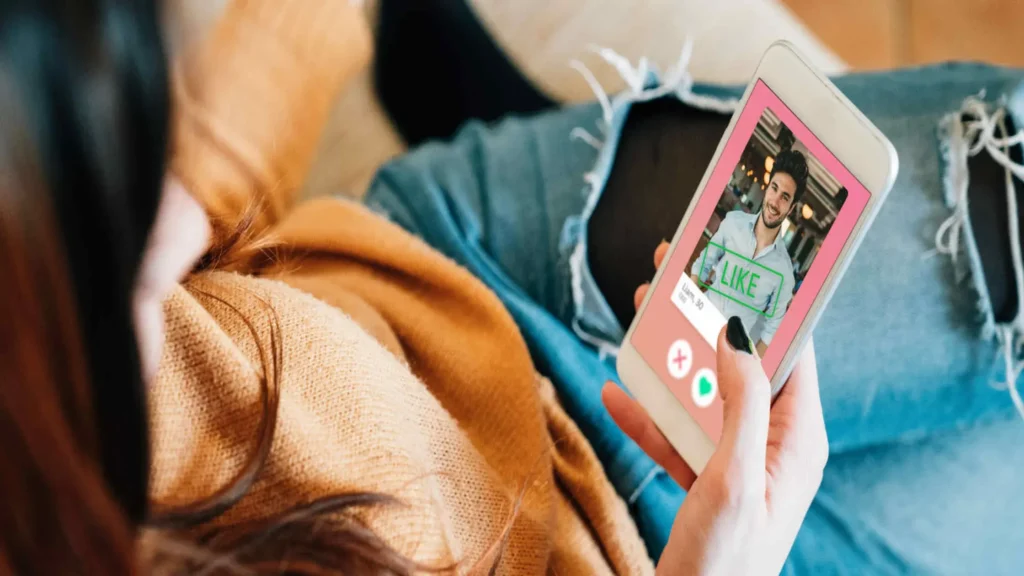
Tinder bots are fake profiles controlled by automated software or sometimes real people pretending to be someone they’re not. These bots are designed to interact with users through messages that feel eerily human, often with a hidden agenda, like:
- Promoting a scam
- Stealing personal information
- Pushing you toward an external link
While some are easy to spot, others are surprisingly sophisticated. They can carry on full conversations, match your interests, and even send you carefully crafted selfies.
Are There Bots on Tinder?
Yes, there are bots on Tinder! They show up regularly and are one of the most common complaints among dating app users. Tinder is a massive platform with millions of daily users, and that makes it a prime hunting ground for scammers, marketers, and malicious actors using Tinder bots to blend in.
While Tinder does actively try to remove fake accounts, bots are constantly evolving. The FTC reported that $143 million was lost in a single year to romance scams using fake profiles on Tinder and similar platforms.
Why Are There So Many Bots on Tinder?
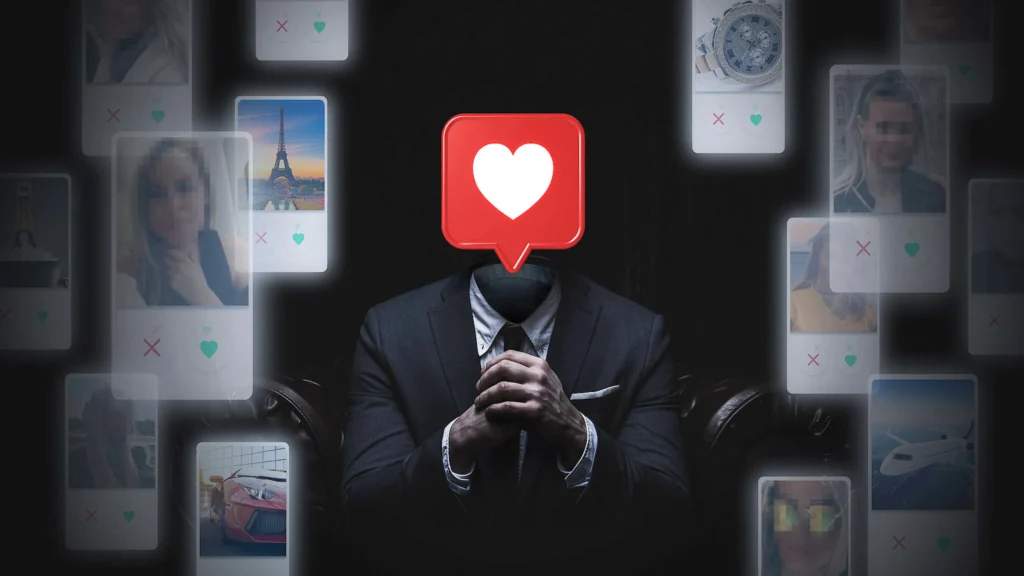
There’s no shortage of bots on Tinder. There are several reasons why the platform attracts so many automated accounts, and most of them come down to opportunity. Tinder’s popularity, ease of use, and massive global user base make it a goldmine for those looking to exploit people at scale.
Ease of Creation and AI Advancement
Creating a bot used to require coding knowledge and effort. However, currently, it’s easy. Thanks to AI and cheap (or free) bot-building tools, anyone can create a fake profile that seems realistic enough to pass as human. Combine that with stolen photos from social media and a few well-written lines of text, and you’ve got a bot ready to mingle.
Scamming and Exploitation
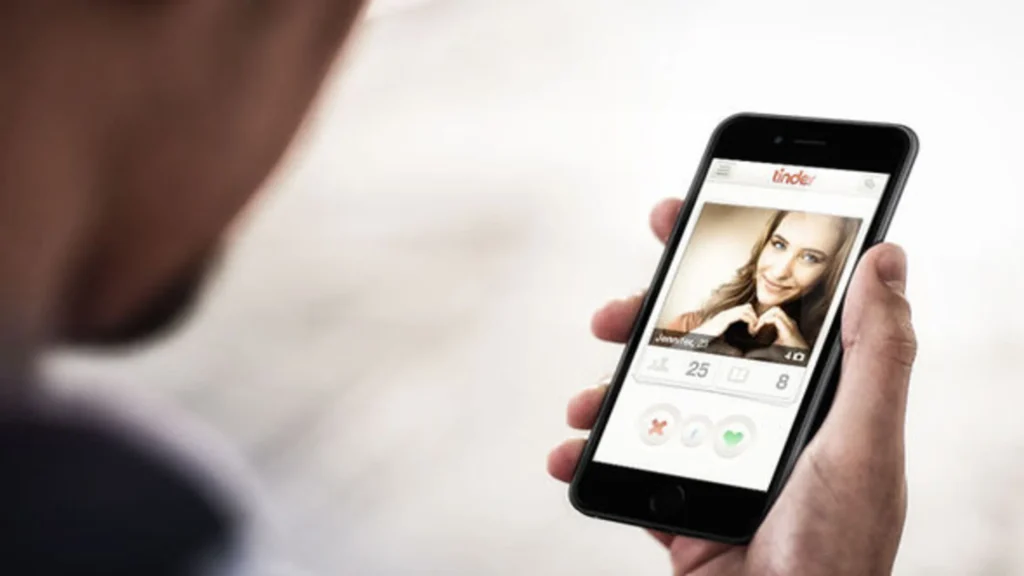
Scamming is, unfortunately, one of the biggest reasons bots are on Tinder in the first place. They’ll match with you, start a friendly (or flirty) conversation, and then hit you with a sob story or a “check out this link” moment.
Marketing and Spam
Not all bots are trying to scam you out of cash. Some are just pushing products. You’ve probably seen them: too-good-to-be-true profiles that message you seconds after matching, only to promote an OnlyFans link or something spammy.
According to a survey by Bytescare, 77% of dating app users say they’ve run into fake or AI-driven profiles. A lot of those are just there to sell you something. It kills the vibe of dating apps.
Data Harvesting

Some bots don’t even want to talk. They just want your info. These accounts silently collect details: your age, interests, photos, how you chat and send that data off to whoever built them.
You might never know it happened, but this stuff adds up. The more data these bots collect, the more you’re exposed to targeted ads and phishing scams.
Psychological Manipulation
Some bots take things to another level. They’re built to mimic real people, hold deep conversations, build trust and then disappear or manipulate you emotionally. It sounds dramatic, but it happens.
In fact, 26% of users admit they’ve had full-on chats with AI profiles without realizing it. These bots can be used for testing human behavior, running experiments, or worse, messing with your feelings just to see how you react. It’s unsettling, and unfortunately, it’s real.
Lack of Effective Moderation
Tinder does try to fight bots, but let’s be honest, there’s only so much it can do. With millions of users and new accounts popping up constantly, bots can easily slip through the cracks and stay active long enough to do some damage. For every bot Tinder removes, another one pops up.
Research and Testing
Not all bots are built for bad reasons. Some are created for academic studies or UX research. However, even when the intentions are harmless, the lack of transparency is an issue.
Most users don’t expect to be part of an experiment when they’re looking for love. While this type of bot is rarer, it still contributes to the growing distrust in online dating environments.
How to Spot a Tinder Bot?
Spotting a Tinder bot isn’t always easy but there are still clear signs if you know what to look for.
Fake Tinder Profiles vs. Tinder Bots
First, not every fake profile is a bot. A fake profile might be run by a real person pretending to be someone else. A Tinder bot, on the other hand, is usually automated software that sends messages, asks questions, or pushes links without a real person behind the screen.
Bots are fast, repetitive, and often follow a script. Fake profiles might still scam you, but bots are usually there to scale that scam across dozens (or hundreds) of people at once.
Signs You’re Talking to a Tinder Bot
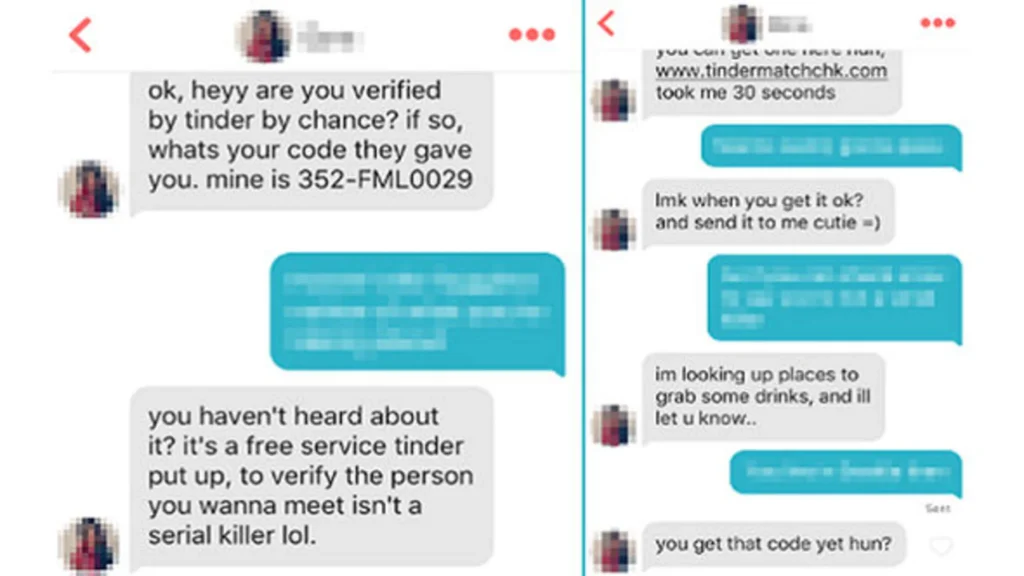
There are some telltale red flags that your match might not be human.
- Instant replies that feel too polished: Bots often reply in seconds, with perfect grammar and generic compliments.
- Too-good-to-be-true photos: If every pic looks like it came from a stock photo site or Instagram model page, that’s a red flag. Reverse image search can help confirm your suspicions.
- Weird responses to questions: Try asking something random like, “What’s your favorite kind of pizza topping at 3am?” A bot will usually give a generic or confusing reply, because it’s not programmed for that kind of nuance.
Common Tinder Bot Messages
Once you’ve seen a Tinder bot message example, you’ll start spotting them right away. We’ve listed down some of the most common ones:
- Have you heard about this service?
- This app is boring… come find me on Snapchat / WhatsApp.
- You look so familiar… did we meet at…
- Hey cutie, I’m hardly ever on here. Wanna chat on another platform?
What Percentage of Tinder Users Are Bots?
Is Tinder mostly bots?
It’s hard to pin down an exact number, but estimates suggest that anywhere from 10% to 20% of Tinder profiles could be fake or automated. A study by Sift found that 1 in 10 new online dating accounts are fraudulent, and other security researchers believe that bots make up a noticeable chunk of daily matches.
That might not sound huge, but when you think about Tinder’s massive user base, it means millions of fake profiles could be floating around at any given time. So yeah, if you’ve matched with someone who seems a little too flawless, it might be a bot.
How to Protect Yourself from Bots on Tinder
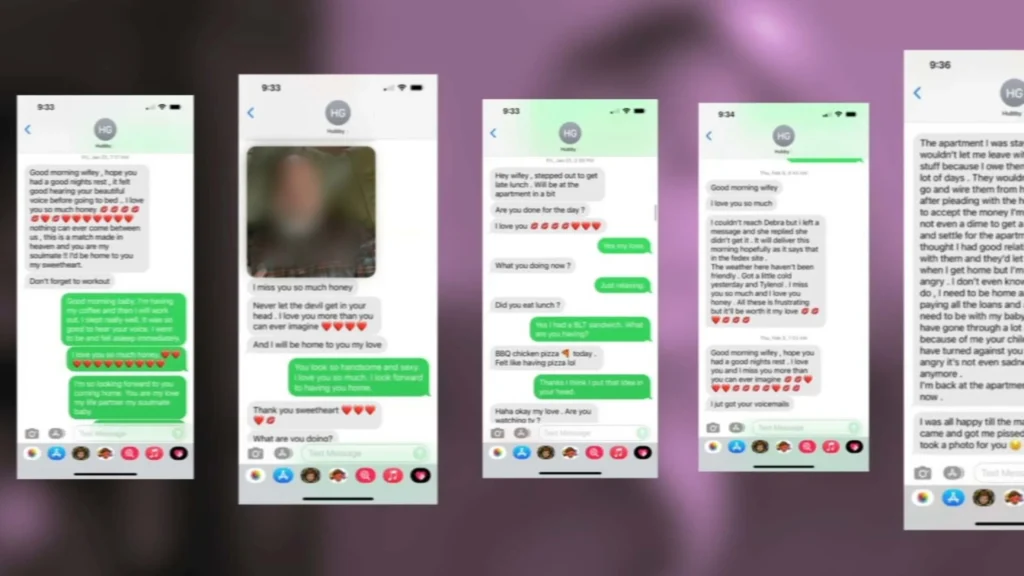
With a little awareness (and a few smart habits), you can avoid the worst of them!
Report Suspicious Accounts Immediately
Don’t just swipe left, report Tinder accounts. Tinder has built-in tools to flag suspicious accounts, and it takes less than 30 seconds. Even if you’re not 100% sure, it’s better to be safe than sorry.
Guide: Look for that little flag or “report” option in their profile or the message screen, and select the reason (e.g., spam, scam, fake profile, etc.).
Avoid Sharing Personal Information
This one’s big. Bots (and scammers) love to fish for personal details: your full name, phone number, social media handles, where you work or live. Oversharing can lead to identity theft.
Do Not Click on Suspicious Links
A lot of Tinder bots are just glorified spam machines. Their whole mission is to drop a sketchy link and hope you click it. The link might take you to a phishing site, a fake dating platform and malware.
Verify Profile Authenticity
Before you get too invested, take a second to check the profile. A reverse image search can help you spot stolen photos. Look for signs of authenticity: tagged Instagram accounts, varied photos, personal bios, and natural conversation.
Be Cautious with Meeting Locations
Let’s say your match is real and you’re planning to meet up, it’s so great! But still, be smart about where and how you do it. Always meet in public places first, let a friend know where you’re going, and don’t share your exact address with someone you just met on an app.
Use Tinder’s Privacy Settings
Tinder gives you tools to control who sees you and what they can access. Use them. You can hide your profile from certain people, turn off “Show Me on Tinder,” and block or report anyone acting shady.
Also, consider linking your profile to Instagram or Spotify only if you’re comfortable making that data public.
Using TurisVPN for Added Security on Tinder
If you want an extra layer of protection while using Tinder (or any dating app), a VPN like TurisVPN can really help. It keeps your connection private and helps block potential tracking, data leaks, or location-based targeting by bots.
Why Use a VPN When Using Tinder?
When you’re using Tinder on public Wi-Fi (coffee shops, hotels, airports), you’re exposed. Bots and bad actors can use unsecured networks to intercept data. Using TurisVPN encrypts your connection, hides your IP address, and makes it way harder for bots or third parties to collect your data or monitor your activity.
Other benefits:
- Prevent location spoofing or unwanted tracking
- Browse anonymously (no digital trail)
- Avoid region-specific spam or fake accounts
How to Set Up TurisVPN
TurisVPN is the most recommended free VPN app. Setting up TurisVPN is super easy:
- Download the TurisVPN app from the official site or your app store (available for iOS, Android, Chrome Web Store).
- Create an account and log in.
- Choose a secure server location (closest to your region for speed).
Bottom Line
Overall, are there bots on Tinder? Absolutely. They’re sneaky, persistent, and surprisingly well-made. But once you know what to look for, they’re a lot easier to spot. Stay sharp, trust your gut, and use TurisVPN to add a layer of protection!
FAQs
Q1. Are there scams on Tinder?
Yes, lots of them, unfortunately. Common scams on Tinder come in all shapes and sizes: fake profiles trying to get your info, bots pushing sketchy links, or real people running romance scams to get money out of you.
Q2. What does double check mean on Tinder?
The Tinder double check usually shows up as a small blue checkmark next to someone’s name. It means their profile is photo verified. Tinder has already confirmed that the person in the photos is actually who they say they are by having them take real-time selfies. It’s a simple but super useful feature when you’re trying to avoid bots or fake accounts.