








Confidence tricks range from quick schemes to complex, multi-step scams. Some fraudsters spend weeks, or even months gaining their victims’ trust, only to steal their money or personal information.
In this article, we’ll explore what a confidence trick is and share some of the most iconic scam stories. Then we’ll learn how to spot these cons to keep your data and cash safe.
What is a Confidence Trick?
A confidence trick is a type of fraud when someone gains your trust and then screws you over for their own profit. Also known as a con for short, the main idea is all about manipulating people’s psychology, using the victim’s emotions such as greed or fear to get them to trust the con artist. Once they’ve got your trust, they begin convincing you to hand over your cash or personal info
In a typical con, the scammer pretends to befriend the victim but eventually betrays them. They use psychological tactics like copying the victim’s body language to seem more trustworthy or showing some flaws to appear relatable. Scammers often target vulnerable people, like the elderly or those who are lonely.
With wide access to technology and the internet, it is easy for cons to create a believable website or social media profile these days. They typically disguise themselves as experts, potentially victimizing a broader online audience.
Cons can pretend to be renowned companies, celebrities, or even pose as people you know.
Hackers even use con tricks like creating fake software updates to get you to install malware,or pretending to be your bank to steal login details.
With money on the line, the creativity of these people know no bounds.
5 Iconic News Stories of Confidence Tricks

E-commerce Scams: From Deals to Steals
Fraudsters set up fake online stores, or post fraudulent listings on trusted marketplaces. These scams often involve phishing links or malware to steal the user’s personal information. In recent years, many have fallen prey to such tactics, losing significant amounts of money.
Love Scams Causing a S$15 Million Loss
According to CNA, with more than 380 victims in 2023 alone, love scams led to losses exceeding S$15 million. Scammers created fake profiles on dating sites or social media, quickly establishing relationships with their targets.
Impersonation Scams Fake Calls from Your Bank
Impersonation scams involve fraudsters posing as officials from reputable organizations, such as banks or government agencies. They contact victims via phone, email, or text, claiming there is an urgent issue requiring personal information or payment. Victims are often convinced to share sensitive data or make payments, believing they are dealing with legitimate entities.
Scammed by Fake Jobs
Scammers often pose as representatives from well-known companies or recruitment agencies, collecting personal information through fake job applications. In some cases, they request upfront payments for supposed processing fees, only to go off the grid once the payment is made.
Block Tracking and Ads
Ever notice how ads seem to follow you around the internet? That’s because you’re being tracked. Scammers use this tracking to gather information about you. A VPN blocks these trackers, keeping your online activity private and reducing the risk of targeted scams.
Bypass Geographical Restrictions
Some scammers target people based on their location. With a VPN, you can change your virtual location, making it harder for scammers to figure out where you are and tailor their attacks accordingly.
How to Set Up a VPN to Stay Safe from Scams ?
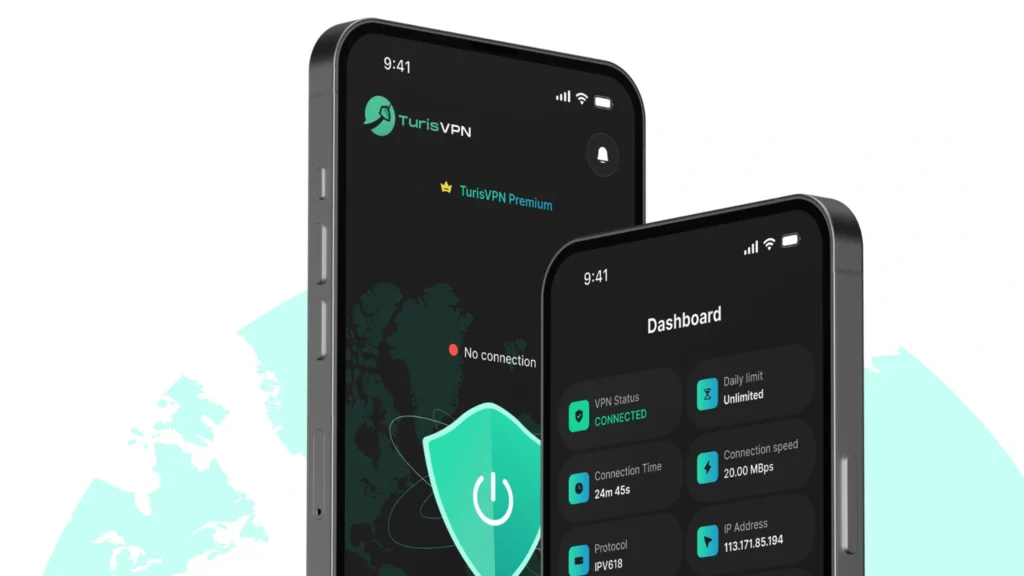
If you’re ready to protect yourself from online scams with a VPN, here’s a step-by-step guide on how to set up Secure VPN like TurisVPN on different devices. Let’s get started:
Set Up TurisVPN on a PC/ Chrome Extension
- Step 1: Visit the TurisVPN website to download the TurisVPN app/ get the web extension.
- Step 2: Sign up for an account by filling out the required information: username, email address, and password.
- Step 3: Get the verification code from your email and verify your account.
- Step 4: (Optional) Turn on 2FA (Two-Factor Authentication) for added security.
- Step 5: Enjoy the TurisVPN service and browse safely.
Set Up TurisVPN on Mobile
- Step 1: Go to Google Play Store/ App Store on your mobile phone to install TurisVPN app.
- Step 2: Sign up for an account by filling out the required information: username, email address, and password.
- Step 3: Get the verification code from your email and verify your account.
- Step 4: (Optional) Turn on 2FA (Two-Factor Authentication) for added security.
- Step 5: Enjoy the TurisVPN service and browse safely.
Bottom line
Scammers employ various tactics to gain your trust and exploit you for money or personal information. By familiarizing yourself with confidence tricks and drawing insights from notable scam stories, you can remain vigilant and safeguard yourself from their deceptive schemes.