







Do I really need a VPN at home is a question that more people are asking as digital surveillance becomes a standard practice for corporations. Your home Wi-Fi is the center of your digital life, yet it is often the most vulnerable point for data harvesting.
Without an encrypted connection, your Internet Service Provider (ISP) can monitor every website you visit and every app you use. At TurisVPN, we provide a secure, encrypted tunnel that keeps your browsing history hidden from prying eyes. By taking control of your network today, you ensure that your private information remains strictly under your control.
Do I Really Need a VPN at Home?
Yes, you need a VPN at home because a standard router password only blocks local intruders, while your ISP still tracks every move you make online. Your home connection is transparent to your provider, but a Virtual Private Network creates an encrypted tunnel that shields your activity.
Most privacy experts agree that it is worth using a VPN at home to prevent companies from selling your browsing history to third-party advertisers. This technology functions as a digital mask, replacing your real IP address with that of a remote server to hide your physical location.
By encrypting your data at the source, you ensure that your household’s digital habits remain strictly private. Beyond simple privacy, there are several technical advantages to using an encrypted connection that improve your overall internet performance.
Key Reasons to Use a VPN at Home
A secure home connection builds a strong wall against tracking and slow speeds. Most people choose a VPN to stop companies from selling their private data for profit. This technology does more than just guard your privacy. It improves your internet and lets you access global content from your living room.
Enhanced Privacy and Protection from ISP Tracking
ISP tracking is the logging of subscriber web activity by service providers. It involves recording DNS queries and metadata using tools such as deep packet inspection. Many people really need a VPN at home because ISPs track every domain visited, even in “incognito” mode. While standard encryption protects passwords, it does not hide your web history from your provider.
A Virtual Private Network encrypts your DNS requests, making your habits invisible to data harvesters. You can secure your web activity with a free anonymous VPN to prevent companies from selling your profile. This ensures that sensitive searches, such as medical or financial info, remain private.
Preventing Bandwidth Throttling
Throttling occurs when an ISP intentionally slows down an internet connection based on the user’s activity. This often occurs during peak hours or while visiting high-traffic platforms like Netflix, YouTube, or Twitch. Using a VPN hides your traffic from Deep Packet Inspection (DPI) tools used by providers. Since the provider cannot see that you are streaming or gaming, they cannot choose to limit your specific speed.
Many users discover it is worth using a VPN at home to prevent these artificial slowdowns and maintain 4K quality. If your connection feels slow, an encrypted tunnel is the best way to bypass ISP speed limits and get the performance you pay for. This ensures that every device in your household has a fast, consistent connection.
Accessing Geo-Restricted Content
Browsing without borders provides a much more open experience for modern households. Masking your IP address allows you to bypass regional blocks and access a global version of the internet from your living room. Streaming services often limit their libraries based on your physical location.
By changing your virtual location, you can watch international sports, news, and movies that are usually restricted. Many families find that a VPN is worth it for home use to avoid local sports blackouts and find lower prices on digital subscriptions. This ensures you are no longer limited by geographic borders when you go online.
Securing Your Connection on Weak or Default-Password Routers
A VPN at home is essential if your router uses a factory-set password or outdated firmware. Hackers exploit these weak points to perform Man-in-the-Middle (MitM) attacks, stealing login credentials or bank details. Encryption provides a safety net by securing your data at the device level.
Even if an attacker hijacks your Wi-Fi, they will only see scrambled code instead of your private files. This is especially helpful for smart devices and older hardware that no longer get security updates. For maximum safety, you can set up a multi-hop VPN to send your data through two secure locations. This double-layer defense prevents local network threats from turning into a total data breach.
Enhancing Remote Work Security
Hardware security is even more vital when a home also serves as a professional office for remote tasks. Many remote professionals ask if they really need a VPN at home when their company already provides one. We find that a personal tunnel is essential because it stops hackers from using weak smart home devices as a backdoor into your work laptop.
Encryption ensures that your personal browsing never mixes with your sensitive professional files. Selecting a reliable WireGuard or OpenVPN protocol helps you maintain a high-speed connection for lag-free video meetings. This setup keeps your career data safe while ensuring your shopping spree remains strictly your business.
With these benefits clearly defined, the next step is to determine whether the investment makes sense for a specific digital lifestyle.
Should You Invest in a VPN for Home Use?
We believe that protecting your family’s data is a small price to pay for total peace of mind. For a small monthly fee, a VPN offers comprehensive insurance against data theft and identity fraud. If you spend several hours online daily, the cumulative risk of browsing without protection significantly outweighs the cost of a service like a VPN.
However, some skeptics ask if there is a reason not to use a VPN on a stable home connection. The most common concerns involve a slight reduction in speed or the fact that some websites might block VPN users to enforce regional rules. While these are valid points, the security benefits and the ability to prevent ISP throttling often result in a net gain for the user.
VPN services focus on minimizing these issues by using high-speed servers and stealth protocols that bypass detection. In our view, it is worth using a VPN at home to ensure your private life stays private. If you decide that protection is a priority, the next step is choosing a provider that simplifies the process while offering top-tier encryption.
How TurisVPN Enhances Your Home Internet Security
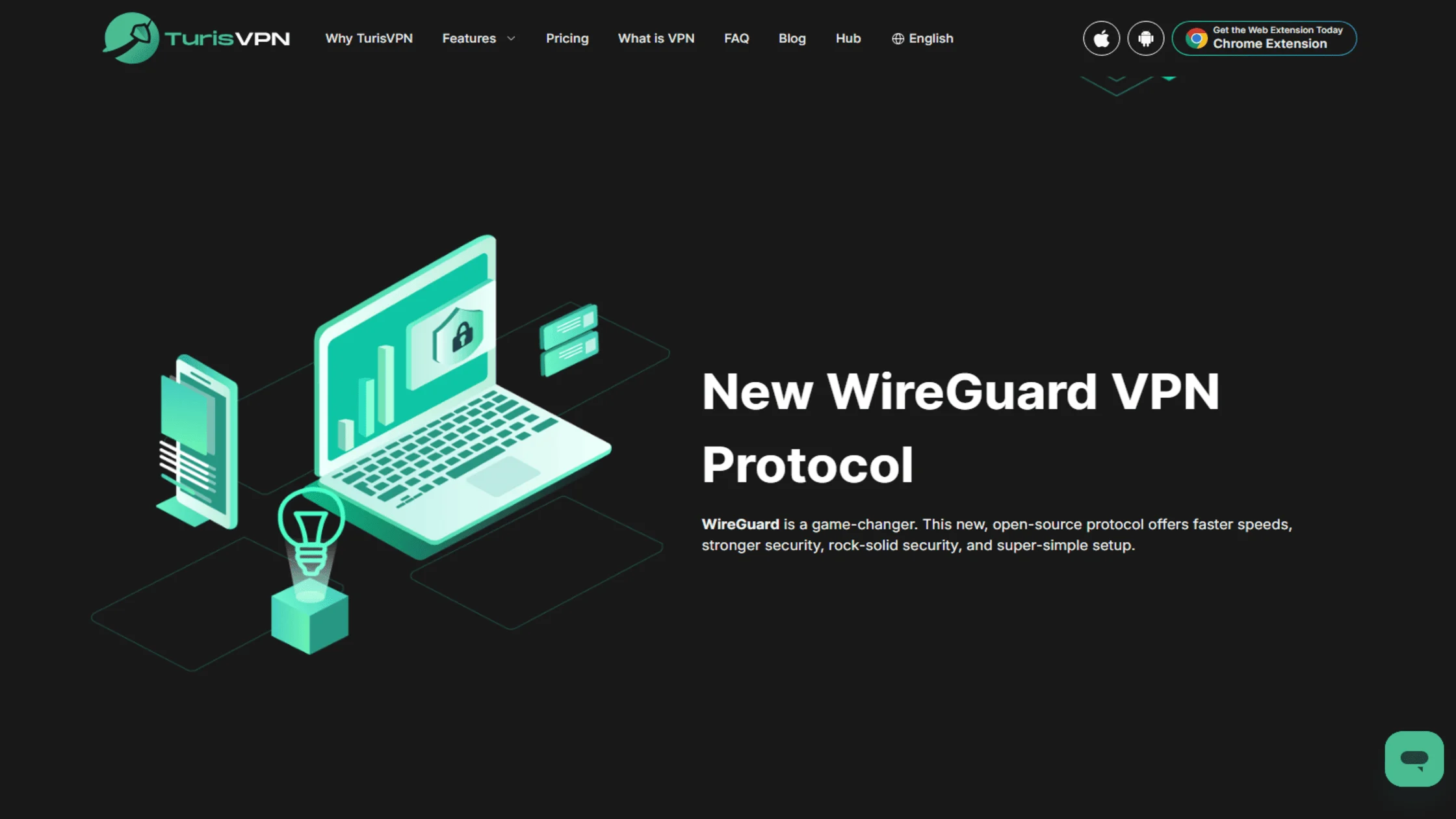
TurisVPN simplifies home security with a one-click solution that encrypts all your traffic with AES-256. We have designed our app to be intuitive, ensuring that even non-technical users can secure their entire household in seconds.
By choosing our service, you gain access to a high-speed network that prioritizes your anonymity without sacrificing the performance you need for 4K streaming. We are committed to providing a tool that is both powerful and easy to use. Here is a short guide on how to use TurisVPN to secure your home:
- Download the TurisVPN app for your mobile phone or install the Chrome Extension on your computer.
- Log in to your account or start a trial to access our premium servers.
- Select a server from our list.
- Toggle the shield icon to instantly encrypt your entire connection.
- Verify your protection by checking that your IP address has changed in the app.
Transitioning to a VPN is the most effective way to stay safe, but there are other niche tools available for users with specific privacy needs.
VPN Alternatives to Use at Home
While a VPN is the most versatile tool for home security, there are other methods for achieving anonymity or bypassing filters. These alternatives often trade speed for stronger encryption or focus on specific types of web traffic rather than securing your entire connection.
Understanding these options can help you decide if a VPN is the right fit or if you need a more specialized tool for your tasks.
Tor Browser
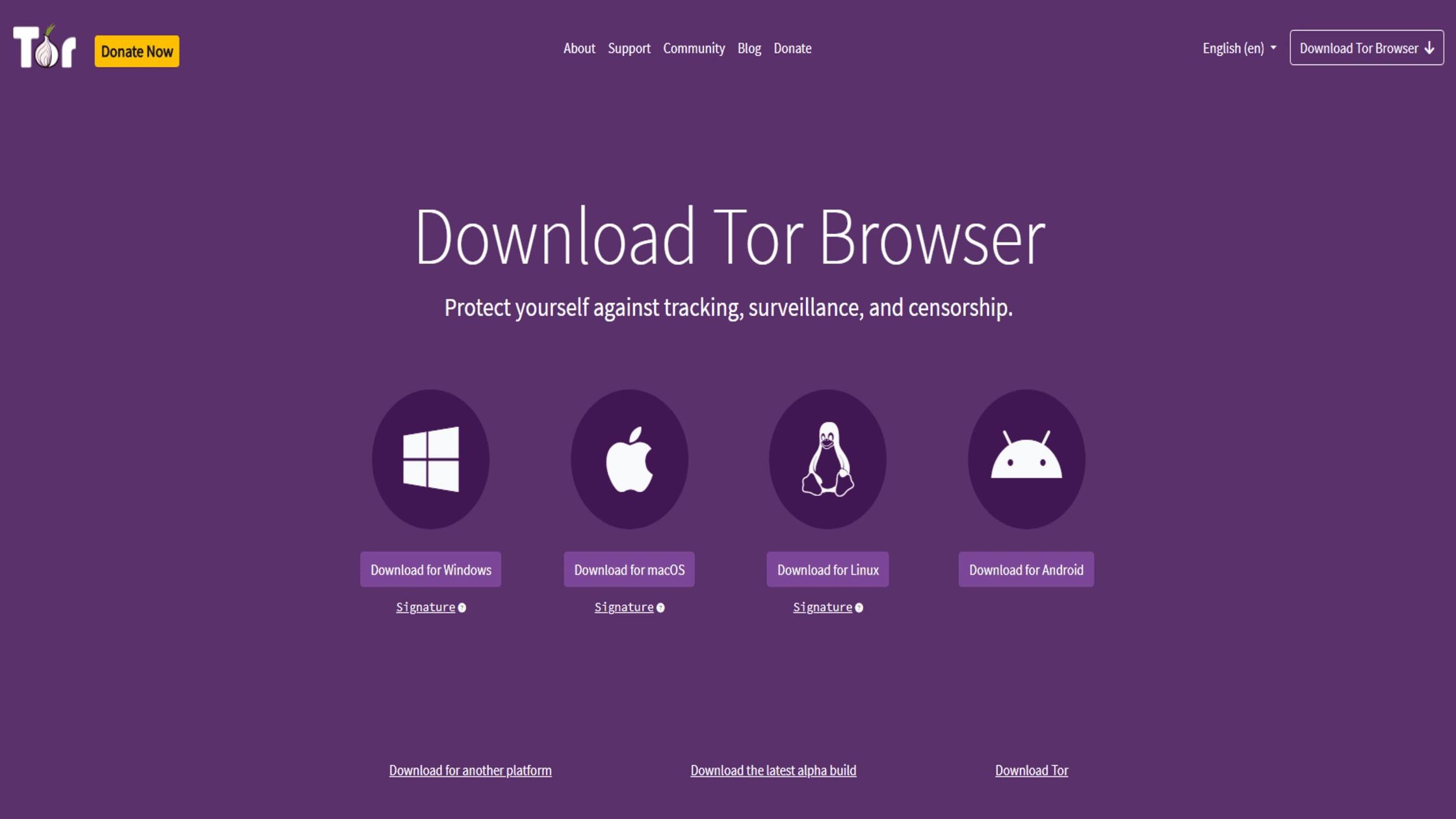
The Tor Browser is a free tool that anonymizes your web traffic by routing it through a global network of volunteer nodes. It provides a higher level of anonymity than a standard VPN because it encrypts your data multiple times. However, the Tor network is notoriously slow, making it unsuitable for streaming video or downloading large files at home. It is best used for high-stakes privacy tasks rather than everyday browsing for a standard household.
Residential Proxies
Residential Proxies act as intermediaries, providing you with an IP address from a real residential device so your traffic appears like that of a standard home user. These are excellent for web scraping or bypassing strict geo-blocks that might detect VPN data centers. Unlike VPN, most proxies do not encrypt your data, meaning your ISP can still see what you are doing. They are a tool for location masking, not for comprehensive security or privacy.
I2P (Invisible Internet Project)
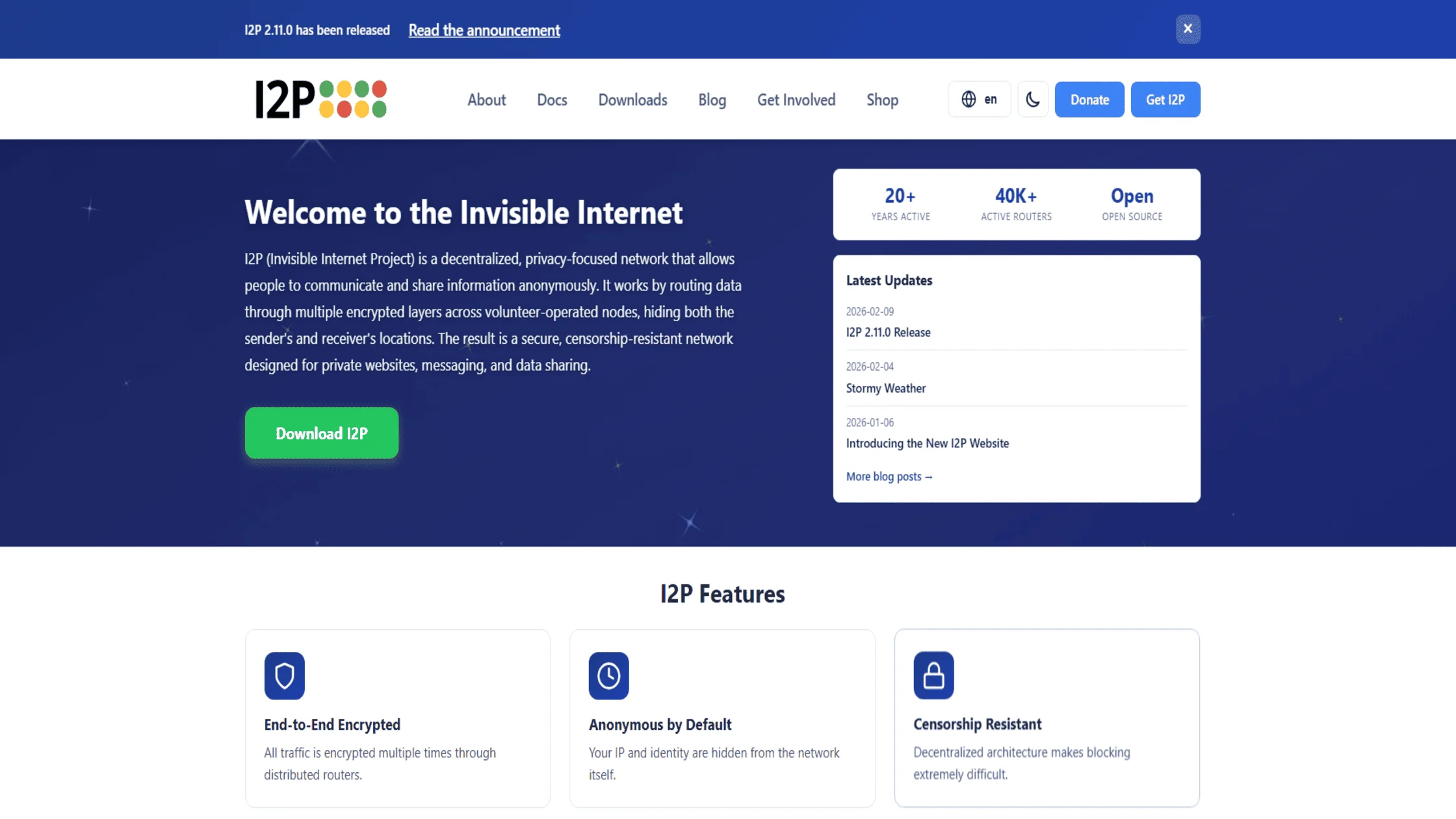
I2P is a decentralized network layer that allows applications to send data to each other pseudonymously and securely. It is often used for private messaging or file sharing within a closed network, rather than browsing the traditional “surface” web. While powerful, I2P requires significant technical setup and does not offer the ease of use or speed of a VPN. It is more of a technical framework than a consumer-ready security product.
To help you decide which privacy tool fits your specific household needs, we have summarized the trade-offs in the comparison table below.
| Alternative | Key Points | Pros | Cons | Safety Rating | Pricing | Best For |
| VPN (TurisVPN) | Full network encryption | High speed, easy to use | Small subscription fee | 10/10 | Paid/Free tier | All-around security |
| Tor Browser | Triple-layer routing | Extreme anonymity | Very slow, blocks sites | 9/10 | Free | Whistleblowers |
| Proxies | IP masking only | Good for scraping | No data encryption | 5/10 | Paid | Bypassing IP blocks |
| I2P | Decentralized network | Secure internal comms | Hard to set up | 8/10 | Free | Private file sharing |
Regardless of the alternative you choose, most users find that a VPN offers the best balance of speed, security, and simplicity.
Bottom Line
Do I really need a VPN at home to ensure my family stays safe in an increasingly hostile digital landscape? The evidence suggests that a VPN is no longer optional for anyone who values their privacy and wants to avoid ISP interference.
By using TurisVPN, you take control of your data and prevent corporations from monetizing your private life for their own gain. We invite you to experience the freedom of a truly private internet today, knowing that your digital footprint is protected by the best encryption technology available.
FAQs
Q1. Does a VPN slow down my internet speed at home?
A VPN may slightly reduce your speed due to encryption, but TurisVPN uses optimized protocols to minimize this impact. In many cases, if your ISP is actively throttling your connection, using our service can actually increase your speeds by bypassing those artificial limits.
Q2. Do I need a VPN at home for privacy?
Yes, because privacy is about protecting your personal information from being harvested and sold without your consent. Even normal activities, like searching for health tips or shopping habits, are tracked by your ISP and data brokers to build a profile of your life.
Q3. Is there a reason not to use a VPN?
You don’t need a VPN if you rely on services that strictly block encrypted connections or if your internet speed is already extremely low. Some highly localized websites or banking portals may flag VPN users for security verification, requiring you to briefly toggle the VPN off.
However, for the vast majority of users, the safety benefits and the ability to stop provider tracking far outweigh these minor inconveniences.