







Finding the best alternatives for Tumblr is essential for creatives and fandoms who feel pushed out by the platform’s restrictive bans and confusing algorithmic shifts. While Tumblr once defined an era of internet culture, constant changes in ownership and moderation have left many users looking for a new exit.
At TurisVPN, we advocate for your right to control your online experience without fear of sudden censorship. We have rigorously tested the top 10 contenders to help you discover a new community that respects your content and your privacy this year.
What Are the Best Alternatives to Tumblr?
Finding a replacement isn’t just about features. It is about the “vibe.” You need a space that respects your content and your audience. Below, we break down the top ten choices. We look at safety, freedom, and community for each one.
1. WordPress

WordPress is the industry-leading alternative to Tumblr for serious creators who want total control over their digital footprint. While social platforms often leave you at the mercy of a single CEO’s decision or arbitrary ban bots, WordPress operates less as a social network and more as a robust site builder.
It offers a way to own your data completely, ensuring that your hard work is never deleted due to a sudden platform policy change. While you gain absolute freedom and stability here, you do trade instant gratification for a “reblog” button and a built-in social feed, meaning you will need to build your audience from scratch.
Switching to this platform resolves the specific frustrations of Tumblr through these core upgrades:
- Data Ownership: You host your own content, meaning no one can delete your blog but you.
- Infinite Customization: The plugin system allows you to build anything from a portfolio to a store.
- Stability: As a global standard powering 40% of the web, it is not going bankrupt anytime soon.
| Key points | Pros | Cons | Safety rating | Pricing | Best for |
| Global Standard | Full ownership of data; Ranks high on Google (SEO Ready) | Steep learning curve compared to Tumblr | 9/10 (Secure & Open Source) | Free (Self-hosted) / Paid Hosting | Professional bloggers and portfolios |
| Plugin System | Infinite customization options | No built-in “feed” or viral community | The free plan on .com is limited | Users who want to monetize | |
| SEO Ready | Stable platform for long-term growth | Requires manual maintenance | Long-term content creators |
Visit site: https://wordpress.com/
2. Blogger

Blogger is one of the most reliable alternatives to Tumblr for writers who want a text-heavy home without the drama or instability. In contrast to the tumultuous ownership history of its rival, Blogger is the “old guard” owned by Google, simple, unflashy, and extremely stable.
This service serves as a digital canvas for your thoughts, with a primary focus on text rather than aesthetic curation. The trade-off for this rock-solid reliability is a lack of modern design features; you gain peace of mind knowing the site won’t crash, but you lose the sleek, modern interface and social community that defined the Tumblr experience.
Moving to Google’s ecosystem fixes the reliability issues often found on social sites with these dependable features:
- Google-Backed Security: Eliminates the fear that the platform will run out of money and shut down.
- Monetization Simplicity: Built-in AdSense integration makes it easier to earn money than Tumblr.
- Zero Friction: No coding or design skills are needed to start publishing immediately.
| Key points | Pros | Cons | Safety rating | Pricing | Best for |
| Google Backed | Extremely reliable uptime; Easy to monetize (AdSense) | Outdated design themes | 8/10 (Google Security) | 100% Free | Personal journals and writers |
| AdSense Ready | Simple UI requires no coding | Google can delete it for ToS violations | Domain costs extra (optional) | Beginners with zero budget | |
| Simple UI | Focuses purely on writing | No social features or reblogs | Hobbyists |
Visit site: https://www.blogger.com
3. Soup.io
Note: As of late 2020, Soup.io has permanently shut down.
Soup.io was once considered one of the best alternatives to Tumblr because it mimicked Tumblr’s chaotic, easy-scrolling, “remix” culture perfectly. Unlike other platforms that require extensive setup, the site offered the same “microblogging” flow, letting you post text, images, and quotes with a single click.
However, this option serves as a cautionary tale: while it provided the perfect feature match, users ultimately lost everything when it went offline.
Before it shut down, it served as a direct remedy to Tumblr’s clutter by offering these streamlined capabilities:
- Historical Match: It was the closest spirit clone to Tumblr’s chaotic energy.
- Zero Stability: The platform is permanently offline, proving the need for backups.
- Data Loss: Former users serve as a reminder to prioritize data export tools.
| Key points | Pros | Cons | Safety rating | Pricing | Best for |
| Defunct | It was very similar to Tumblr’s flow | Permanently Offline | 0/10 (Dead Site) | N/A | Internet historians |
| Easy Scroll | Simple interface | Data is completely lost |
4. Medium
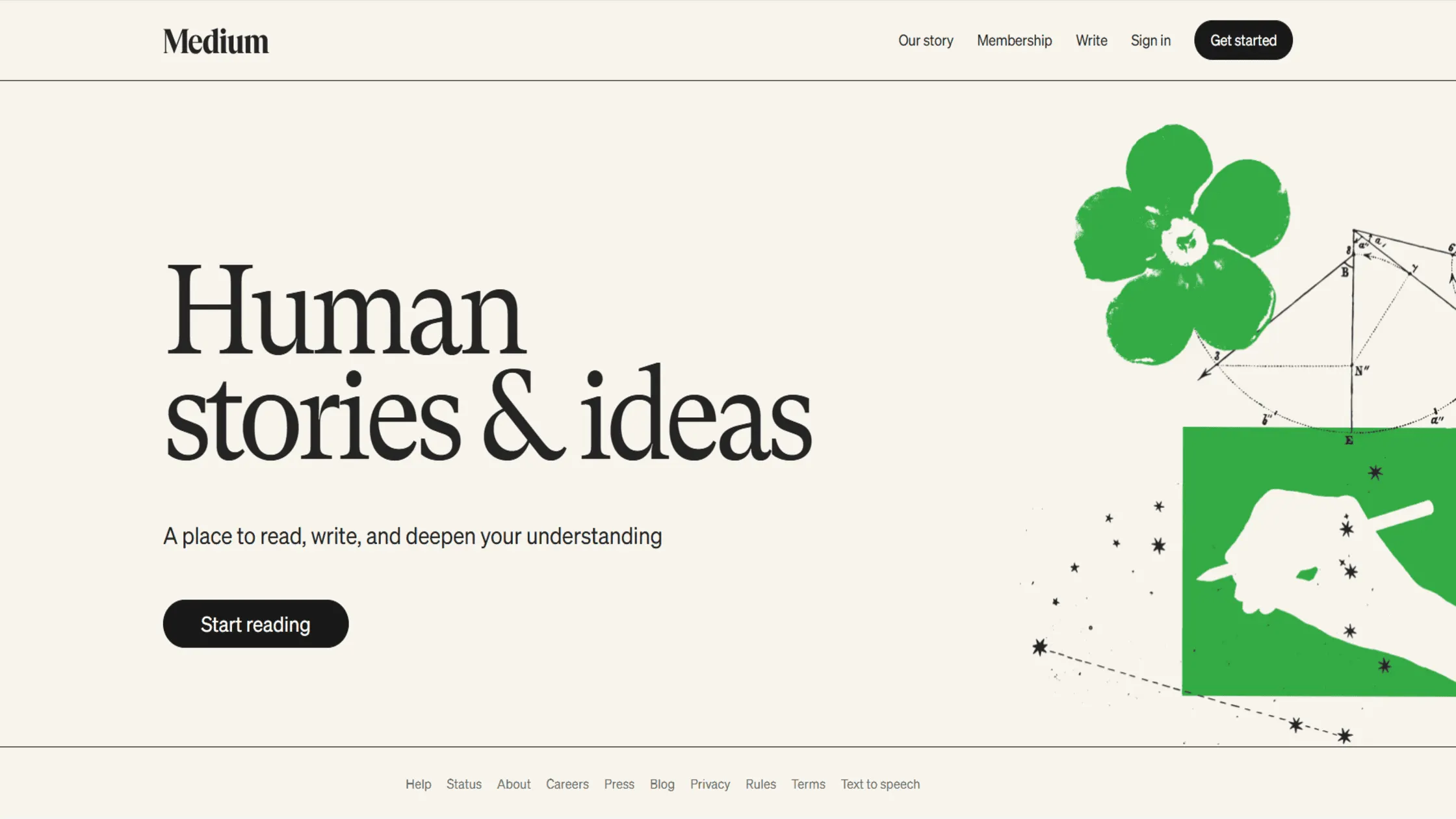
Medium is one of the safest Tumblr Alternatives for readers and thinkers who want to escape the noise of shitposting and focus on deep content. Shifting away from a visual-heavy, often chaotic dashboard, Medium presents a clean, white, minimalist space designed specifically for long-form writing.
You instantly tap into a built-in audience that values essays and “think pieces” over memes. However, this polish comes at a cost: while you gain a hungry audience and beautiful typography, you strictly lose the ability to customize your blog’s look or post the kind of loose, jagged content that Tumblr is famous for.
Writers leaving Tumblr for Medium gain a more focused environment through these professional enhancements:
- Professional Environment: Replaces “discourse” with thoughtful discussion and feedback.
- Built-in Traffic: Your work is pushed to readers via email and apps, not just hashtags.
- Partner Program: Provides a legitimate way to get paid for your writing.
| Key points | Pros | Cons | Safety rating | Pricing | Best for |
| Writer First | Built-in traffic; You can get paid | Paywall limits your reach | 8/10 (Very Safe) | Free / $5 mo for full access | Essayists and thought leaders |
| Clean UI | Beautiful typography; Professional look | Not for visual art or memes | Writers seeking feedback | ||
| Partner Program | Focus on the reading experience | You don’t own the site |
Visit site: Medium
5. Mastodon
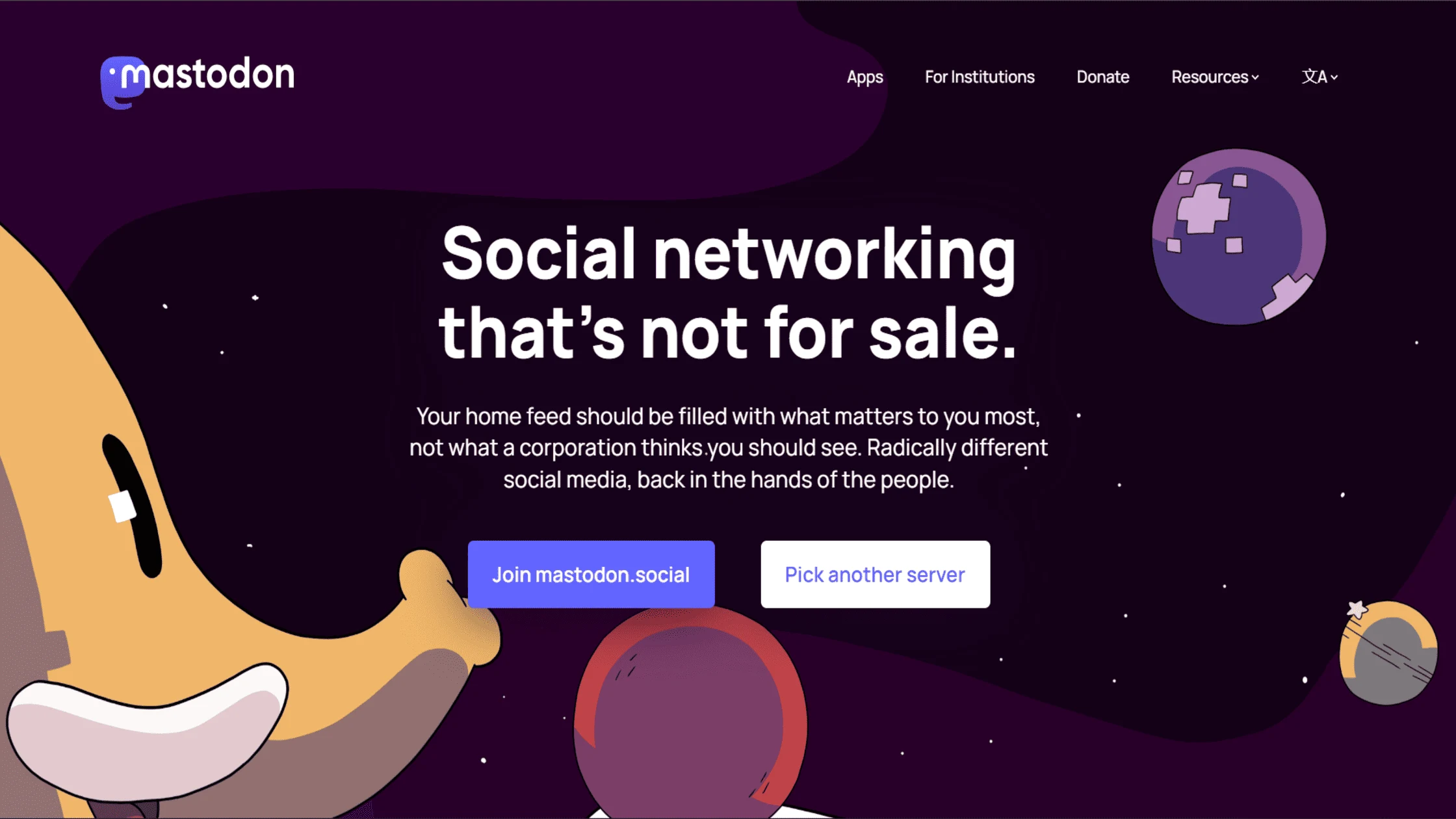
Mastodon is the “rebel choice” and arguably one of the best Tumblr replacements for users seeking true freedom from corporate overreach. Breaking the mold of centralized control used by major tech boards, Mastodon is decentralized, consisting of many connected “instances” (servers).
The interface presents a chronological feed with no ads and no tracking. The trade-off here is complexity; you gain immunity from corporate censorship and algorithm manipulation, but you lose the simplicity of a “one-click” sign-up process and a single, unified search bar.
Escaping to the Fediverse solves the problem of corporate overreach with these decentralized benefits:
- Decentralization: No single CEO can decide to ban your community or content type.
- Fediverse Connection: Your account connects to other apps, not just one website.
- Ad-Free Experience: A timeline that shows posts in order, without sponsored interruptions.
| Key points | Pros | Cons | Safety rating | Pricing | Best for |
| Decentralized | No corporate tracking or ads | It can be confusing to join | 8/10 (Varies by server) | Free (Donation-based) | Privacy advocates |
| Fediverse | Connects to other apps; No algorithm | No global algorithm for discovery | Communities and fandoms | ||
| Ad-Free | User-controlled experience | The server admin has power |
Visit site: Mastodon
6. Posthaven
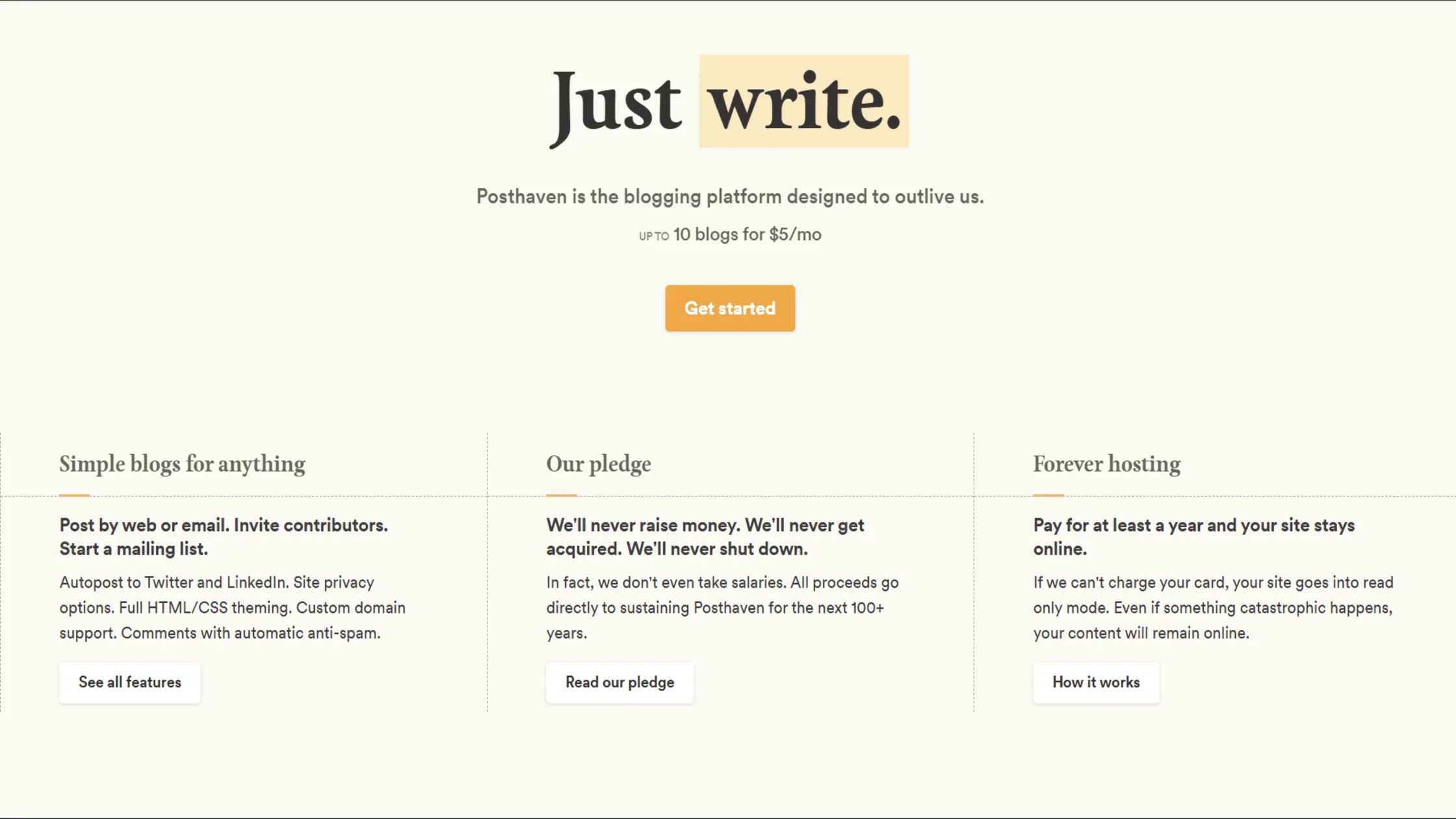
Posthaven is one of the most secure blogging platforms, like Tumblr, for users who are tired of platforms being sold or shut down. Unlike Tumblr, which has changed hands multiple times, Posthaven operates under a “Forever Pledge”; you pay them, and they promise never to sell out or shut down.
Your subscription guarantees a permanent digital archive for your content. The trade-off is stark: you gain a guarantee that your blog will outlive you, but you lose free access and all the fancy themes and social features that make blogging “fun” rather than just functional.
This platform answers the anxiety of ‘site death’ by guaranteeing longevity through these user-first pledges:
- Longevity Guarantee: Explicitly built to solve the fear of “platform death.”
- Simplicity: No ads, no tracking, and an incredibly simple email-to-post feature.
- Ownership: You are the customer, not the product being sold to advertisers.
| Key points | Pros | Cons | Safety rating | Pricing | Best for |
| Forever Pledge | Will never shut down; Post via email | Very basic features | 9/10 (Secure & Private) | $5/month | Digital hoarders |
| Email Posting | Simple; No ads, ever | No social discovery mechanisms | Minimalists | ||
| Simple | Secure archive | Paid only |
Visit site: Posthaven
7. Typepad
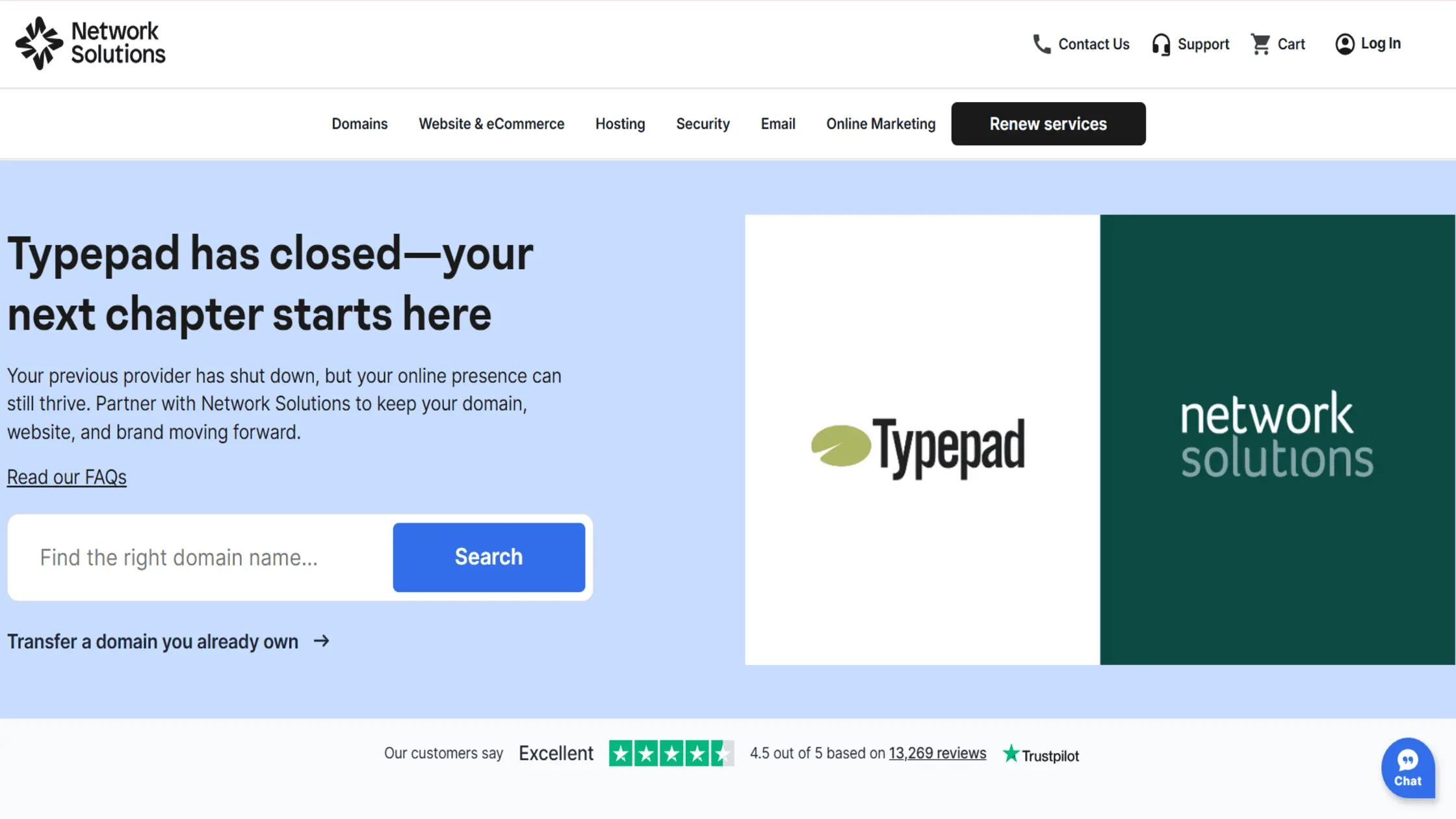
Typepad is one of the more established alternatives for Tumblr, serving professionals who have outgrown the “drama” of social blogging. Typepad offers a stark departure from the constantly shifting rules and community infighting of modern apps, remaining robust, stable, and focused on publishing.
The service delivers reliable hosting with priority support for those willing to pay. However, moving here means accepting a trade-off in culture: you gain a stable, support-backed platform that won’t disappear, but you lose the vibrant, youthful, and free community that exists on modern social networks.
Professionals switch here to trade social drama for business-grade reliability, specifically gaining:
- Priority Support: You get actual customer service, not just automated bot replies.
- Reliability: Great uptime and a focus on keeping your site live and professional.
- Unlimited Storage: Designed for heavy users who don’t want to worry about caps.
| Key points | Pros | Cons | Safety rating | Pricing | Best for |
| Reliable | Great uptime; Priority support team | Old interface; Declining user base | 8/10 (Secure) | $8.95 – $29.95/mo | Journalists |
| Support | Unlimited storage | Not free | Professional writers | ||
| Unlimited | Professional environment |
Visit site: Typepad
8. Ghost

Ghost is arguably the most powerful alternative to Tumblr for creators who want to turn their passion into a business. Where social blogging often fails to provide sustainable income, Ghost succeeds, having been built from the ground up for memberships and newsletters. The platform delivers a sleek, fast, and professional publishing experience
The trade-off is the shift from “social” to “business”; you gain powerful tools to make money and manage subscribers, but you lose the messy, fun, and free social interaction of a dashboard feed.
Creators tired of struggling to monetize on Tumblr will find their solution here with these business-focused tools:
- Monetization First: Built-in membership and subscription tools to earn income directly.
- Speed & Design: Extremely fast loading times and modern, clean aesthetics.
- Independence: You own the relationship with your audience via email, not an algorithm.
| Key points | Pros | Cons | Safety rating | Pricing | Best for |
| Monetization | Built-in memberships; Extremely fast | Self-hosting is technical | 9/10 (Open Source) | $9/mo (Pro) or Free (Self-host) | Independent journalists |
| Speed | Beautiful design; Professional look | The Pro version is pricey | Serious creators | ||
| Modern | Turns readers into subscribers | Less social discovery |
Visit site: Ghost
9. DeviantArt
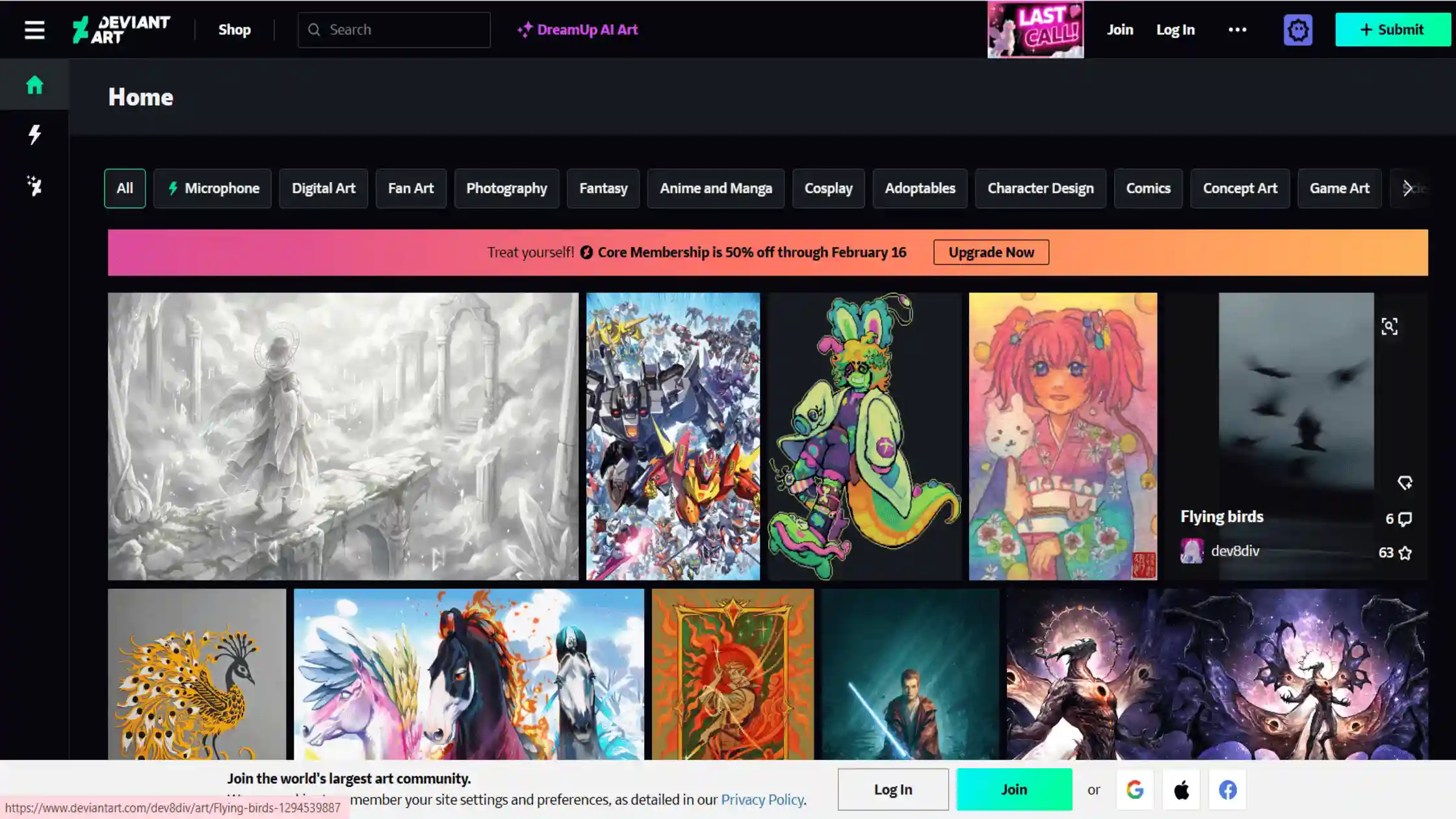
DeviantArt (DA) is one of the best alternatives to Tumblr, especially for visual artists who feel stifled by Tumblr’s compression and layout. DeviantArt distinguishes itself as a pure art gallery with a massive community, rather than a mixed-media blog. The site prioritizes high-quality image hosting and portfolio tools designed for illustrators.
While you gain a community that truly understands and critiques art, the trade-off is the loss of simple blogging features; it is not the place for text posts, and the interface can feel much more cluttered and commercial than Tumblr’s dashboard.
For visual artists, this site fixes Tumblr’s poor image compression and discovery issues with these gallery features:
- Image Quality: Built to display high-resolution art without aggressive compression.
- Portfolio Tools: Better organization for galleries and collections than a linear blog.
- Art Community: Feedback and comments come from other artists, not just random users.
| Key points | Pros | Cons | Safety rating | Pricing | Best for |
| Art Focus | Huge art community; Good gallery tools | “Core” membership pushing | 7/10 (Safe but public) | Free / Core memberships | Illustrators and painters |
| Portfolio | Active comments and feedback | AI art controversies | Digital artists | ||
| Social | High-quality image hosting | The interface is cluttered |
Visit site: DeviantArt
10. Pillowfort

Pillowfort is widely considered the truest among the best alternatives for Tumblr for fandom users and those seeking a safe space. Pillowfort was built specifically to address the void left by Tumblr’s strict content bans, allowing NSFW content while prioritizing user privacy. Fans appreciate the familiar dashboard layout with threaded comments and community groups.
The trade-off is clearly size for safety; you gain a platform that respects your content and allows granular privacy control, but you lose the massive, global scale of Tumblr’s audience as Pillowfort is still growing.
This site directly targets the ‘homeless’ feeling of displaced fandoms by restoring these beloved community functions:
- Content Freedom: Allows NSFW and fan content that other platforms restrict.
- Privacy Control: Granular settings let you decide exactly who sees every post.
- Chronological Feed: No algorithm hides your posts from your followers.
| Key points | Pros | Cons | Safety rating | Pricing | Best for |
| Fandom Friendly | Allows NSFW content; Granular privacy | Small user base compared to Tumblr | 8/10 (Community run) | One-time fee (~$5) | Fandom users |
| Privacy | Mix of Tumblr/LJ features | Occasional lag | LGBTQ+ community | ||
| Hybrid | No algorithm interference | Still in beta phases | Refugees from bans |
Visit site: Pillowfort
With a clear picture of the top 10 candidates, the next step is to filter them based on your specific creative identity and goals.
How Do I Choose the Right Alternative to Tumblr?
Choosing among the best alternatives for Tumblr depends on what you value most. Do not just follow the crowd. Ask yourself what you actually posted.
- For the Artist: If you post images, DeviantArt or Pillowfort are your best bets. They handle images well and have audiences looking for visual art.
- For the Writer: If you write long-form, choose Medium or Ghost. They prioritize readability and typography.
- For the Community: If you want to talk to people, Mastodon is the place to be. It allows for better conversation than a static blog.
- For Control: If you never want to move again, choose WordPress or Posthaven. You own the house, not just rent the room.
Once you have selected your ideal platform, you must address the unique privacy risks that come with leaving a centralized giant for a smaller or self-hosted site.
Technical & Security Considerations
When you leave a major platform like Tumblr, you often move to smaller, decentralized, or self-hosted sites. This brings new risks. You might be exposing your IP address to server admins on Mastodon, or browsing niche communities on Pillowfort.
Using a VPN is crucial when exploring these new territories. It masks your identity and encrypts your data. This is vital if you are accessing content that might be restricted in your region or if you just want to keep your browsing habits private from your ISP. We recommend using TurisVPN to stay safe.
Here is a step-by-step guide on how to set up TurisVPN on your device:
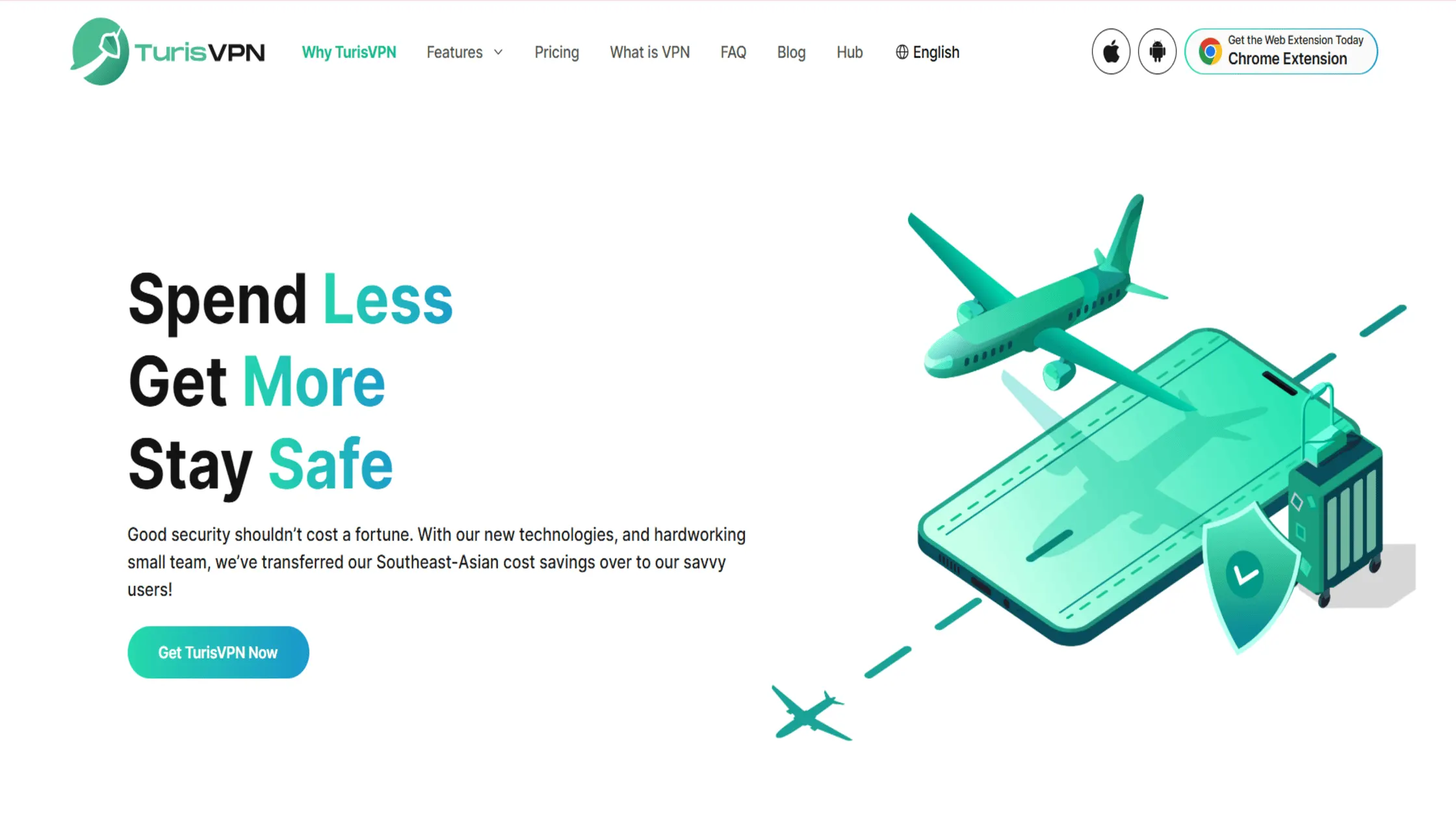
- Step 1: Download the TurisVPN app for your mobile phone or install the Chrome Extension on your computer.
- Step 2: Connect to a server in a region.
- Step 3: Log in securely to your new blogging platform.
This prevents third parties from linking your physical location to your online profile. If you are browsing on public Wi-Fi, check out our guide on using a free VPN to keep your data encrypted. Furthermore, if you switch between your phone and laptop to blog, our free VPN for multiple devices ensures you are protected on every screen.
Using a VPN is not just about unblocking content; it is about maintaining the anonymity that Tumblr used to provide.
Bottom Line
The best alternatives for Tumblr in 2026 offer more control, better privacy, and new communities. Whether you choose the professional route of WordPress, the freedom of Mastodon, or the cozy fandom space of Pillowfort, there is a home for you.
Do not stay on a sinking ship. Pick a platform that respects your creative work. And remember, as you explore these new corners of the web, keep your connection secure with TurisVPN. Your privacy is the one thing you should never compromise on.
FAQs
What is the best replacement for Tumblr?
There isn’t one single “best” replacement, but Pillowfort is widely considered the closest experience to Tumblr. It mimics the dashboard layout, supports threaded comments, and allows for the type of fan content and art that defined Tumblr. For a more social and decentralized feel, Mastodon is the top choice.
Why do people not use Tumblr anymore?
People have left Tumblr due to a mix of poor management decisions and censorship. The infamous “adult content ban” drove away a massive portion of the artist community. Additionally, aggressive advertising and a confusing algorithm have worsened the user experience over time, prompting creators to seek alternatives to Tumblr.
Is Pillowfort better than Tumblr?
Yes, Pillowfort is better. It offers more granular privacy controls, allowing you to choose exactly who sees each post. Unlike Tumblr, it does not rely on an algorithm to hide or show your posts, meaning your followers actually see what you publish. It also allows NSFW content, which Tumblr banned, making it a freer space for creativity.