






A VPN costs between $2 to $15 per month. The cost depends on the provider, subscription length, and included features.
Monthly plans usually cost the most. Annual and multi-year plans can reduce the average VPN cost per month.
Our blog answers the question “what does a VPN cost” with clear price ranges, real plan comparisons, and a breakdown of what actually affects VPN pricing. You will see how much a VPN costs per month on average, how free VPNs compare to paid options, and which features justify higher prices.
Key Takeaways
|
Quick Summary: Average VPN Costs in 2026

In 2026, the average VPN cost ranges from $2 to $5 per month for long-term plans. The monthly VPN plans typically cost $10 to $15 per month.
Long-term VPN subscriptions (12–24 months) offer the lowest effective price. Many premium VPN providers reduce the monthly cost to $1.99–$3.39 per month when users commit to extended plans.
Monthly, no-commitment plans remain the most expensive option. A VPN cost per month under a short-term subscription often exceeds $12. That’s why providers cannot spread infrastructure and support costs.
Monthly plans suit users who need temporary access but are not cost-efficient for long-term privacy or streaming use.
A VPN price comparison across top providers shows three clear tiers:
- Monthly plan: $10–$15/month
- Annual plan: $3–$7/month (billed yearly)
- Two-year plan: $2–$5/month (billed upfront)
Lifetime VPN deals sometimes appear at a one-time price. However, lifetime VPN deals rarely match the long-term reliability of recurring premium VPN subscriptions, especially regarding server expansion and security updates.
How much does a VPN cost per month on average? Across reputable providers in 2026, the realistic benchmark is around $3–$4 per month when choosing a multi-year plan. Anything significantly cheaper often comes with trade-offs in bandwidth, server locations, or performance.
The length of the subscription affects the VPN price the most. Longer plans usually cost less per month. They give better value for your money.
Understanding VPN Costs
VPN cost depends mainly on subscription duration, service quality, and included features. Most VPN providers offer three main plan types: monthly, yearly, and multi-year plans. The longer the commitment, the lower the average VPN cost per month. Security standards, server infrastructure, and device limits also influence final pricing.

Monthly VPN Plans
Monthly VPN plans usually cost the most. Providers cannot spread their server and support costs over a long contract. A VPN cost per month under a monthly plan often exceeds $12 for premium VPN services.
The value proposition of monthly VPN plans focuses on flexibility. Monthly VPN plans allow users to cancel anytime without long-term commitment. Monthly VPN plans work well for short-term use. They are useful for travel, temporary remote work, or testing a VPN before switching to a yearly plan.
Higher monthly VPN plan pricing usually reflects stronger security and performance. Premium monthly VPN plans usually include strict no-log policies and strong security. They also offer fast speeds, many server locations, and support for many devices.
Almost all premium VPN providers reduce risk through a 30-day money-back guarantee. A money-back guarantee allows users to test a VPN subscription under real conditions without financial risk. Free trials remain limited, but refund policies effectively serve the same purpose.
Pros of Monthly VPN Plans:
- Maximum flexibility
- No long-term contract
- Suitable for short-term use
Cons of Monthly VPN Plans:
- Highest VPN cost per month
- No long-term discounts
Annual and Multi-Year VPN Plans
Annual and multi-year VPN plans significantly reduce the average VPN cost compared to monthly VPN plans.
Annual VPN plans (1-year subscriptions) typically cost $45–$70 per year, which breaks down to about $3–$5 per month. Annual VPN plans balance affordability and moderate commitment. Annual VPN plans suit users who want savings without locking into a multi-year contract.
Multi-year VPN plans (2–3 years) offer the lowest effective VPN cost per month. Multi-year VPN plans can cost as little as $1.25–$3 per month with budget providers. Premium VPNs like Surfshark or Private Internet Access usually cost about $2–$3 per month.
Multi-year VPN plans create the strongest value when comparing VPN price comparison tables. The main advantage of annual and multi-year VPN plans is long-term savings. A VPN subscription under a two-year plan can cost 60–80% less per month than a monthly plan.
The main drawback of annual and multi-year VPN plans is the upfront payment. Multi-year VPN plans require a larger lump-sum charge at checkout, even though the monthly equivalent cost appears low.
Annual and multi-year VPN plans are good for long-term use. They suit people who want privacy, stable speed, and streaming access without paying high monthly prices.
How VPN Pricing Varies by Provider
Most reputable providers cluster within three pricing bands:
- Budget VPN providers usually charge $2–$4 per month for long-term plans.
- Mid-tier premium VPNs cost about $3–$6 per month on multi-year plans.
- High-end providers may charge $10–$15 or more per month for monthly plans.
- Business or specialized VPN solutions can cost $20–$30 per month or more because they include advanced setup and dedicated support.

Subscription length has the biggest impact on VPN price. Long-term plans (1–2 years) usually cost $2–$5 per month. Monthly plans often cost $10–$15 or more. The service may be similar, but the billing model changes the real cost.
Server network size also affects price. Providers with thousands of servers in many countries spend more on hardware, maintenance, and bandwidth. More servers help reduce congestion and keep connections stable. This often leads to higher prices.
Speed and bandwidth also affect VPN cost. Premium VPNs invest in strong networks to support streaming, gaming, and large downloads.
Budget VPNs may have slower speeds or fewer optimized servers.
Security features also change the price. Some VPNs offer audited no-log policies, RAM-only servers, strong encryption, and tools like a kill switch or threat protection. These features often appear in higher-priced plans.
Device limits can also affect cost. Some VPNs allow only 5–10 devices. Others allow unlimited devices on one account. Higher limits require more resources from the provider.
One pattern appears in most VPN price comparisons:
- Lower prices often mean fewer servers, lower speeds, or fewer features.
- Higher prices usually reflect stronger infrastructure, wider coverage, and better security.
Free VPNs vs Paid VPNs: What’s the Difference?
Free VPNs and paid VPNs differ in funding model, infrastructure strength, and privacy protection. The difference directly impacts VPN cost, speed, bandwidth, and data security.
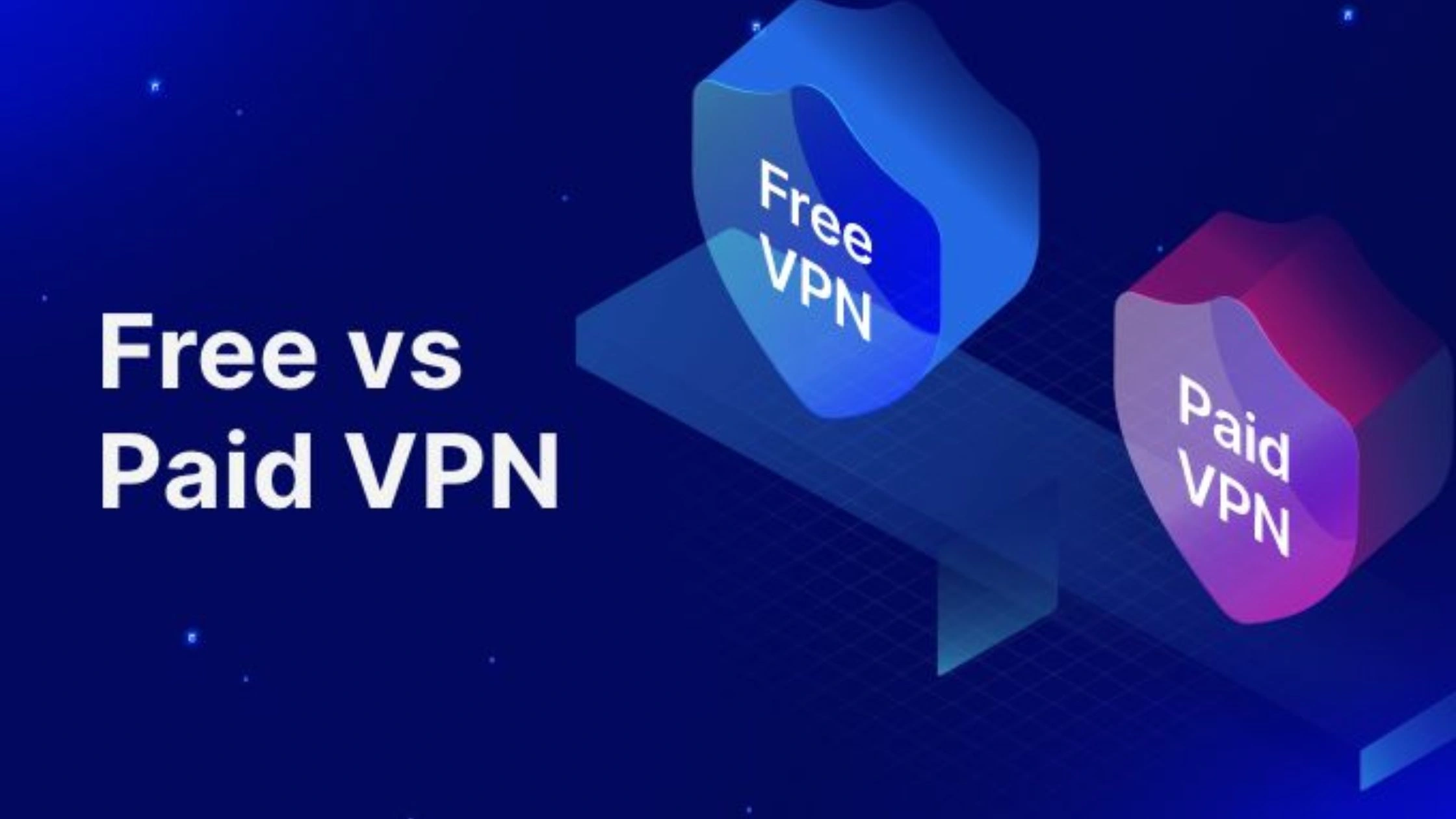
Paid VPNs rely on VPN subscription revenue. Free VPNs avoid upfront cost but monetize through alternative channels. Funding structure determines service quality.
| Factor | Free VPN | Paid VPN |
| Business Model | Monetized through ads, data tracking, or upselling | Subscription-based VPN cost funds infrastructure |
| Monthly Cost | $0 upfront | $2–$15 per month depending on plan |
| Bandwidth | Often limited or capped | Unlimited bandwidth |
| Speed | Frequently throttled | High-speed, optimized servers |
| Server Locations | Limited servers, high congestion | Thousands of global server locations |
| Security Features | Basic encryption, often no kill switch | 256-bit encryption, kill switch, DNS/IP leak protection |
| No-Log Policy | Rarely audited | Often independently audited |
| Streaming & Torrenting | Unreliable or blocked | Optimized for streaming and P2P |
| Privacy Risk | Higher risk of data tracking | Stronger privacy protection |
Free VPNs
Free VPN services remove subscription fees but often introduce limitations. Free VPN monetization may include:
- Selling aggregated user data
- Displaying ads
- Tracking browsing activity
- Restricting features to push upgrades
Free VPN performance is usually limited by bandwidth caps and fewer server locations. Congested servers result in slow and unstable connections.
Free VPN security standards are weaker. Many free VPN apps lack audited no-log policies, kill switches, and advanced leak protection.
Free VPN usage fits light browsing and short-term access. Free VPN services are risky for sensitive activities.
Paid VPNs
Paid VPN services operate on a VPN subscription model that funds high-performance infrastructure.
Paid VPN advantages include:
- Unlimited bandwidth
- Faster speeds
- Larger server networks
- Strong encryption and audited no-log policies
- Advanced features like multi-hop routing
Paid VPN cost supports long-term security, consistent performance, and global coverage.
Free VPNs cost nothing to start. Paid VPNs require a subscription. But they usually offer better privacy, faster speeds, and more reliable protection.
Factors Affect on VPN Cost
Several factors affect VPN cost. These include the subscription length, server network, security features, device limits, and how you plan to use the VPN.
Subscription length affects the price the most. But server infrastructure and service quality determine the long-term value.

1. Subscription Duration (The Biggest Factor)
Subscription duration is the primary factor influencing VPN cost. A longer VPN subscription can reduce the monthly price by 40% to 70% or more compared to a monthly plan.
VPN providers heavily discount long-term plans to reduce churn and secure predictable revenue.
Cost breakdown by subscription duration:
- Monthly plans: $10–$13+ per month. Highest VPN cost per month. Maximum flexibility.
- 1-year plans: Often reduce the effective monthly cost by more than half.
- 2-year+ plans: $1.99–$3.00 per month for many providers. Lowest average VPN cost but requires large upfront payment.
Long-term VPN plans offer the best value. They are a good choice for people who need privacy, streaming access, or remote work over time.
2. Server Infrastructure & Performance
Server infrastructure quality impacts VPN cost and performance.
Operating high-speed, diverse server locations requires investment in hardware, bandwidth, and maintenance. Premium VPN providers spend on infrastructure to reduce congestion and improve reliability.
Key infrastructure cost drivers:
- Server hardware & capacity: High-performance CPUs and SSD or NVMe storage improve speed and support more users at the same time. Better hardware increases operating costs.
- Network infrastructure & bandwidth: Unlimited or high-bandwidth networks require expensive global data center contracts. Higher bandwidth supports faster speeds and lower latency.
- Location diversity: More server locations increase global coverage but raise data center expenses. Closer servers improve performance and reduce latency.
- Security protocols: AES-256 encryption and modern protocols like WireGuard require engineering optimization. Strong encryption increases processing demand.
- Residential vs. datacenter IPs: Residential IP networks cost more. They are harder to obtain and maintain. Datacenter IPs cost less, but websites can detect them more easily.
Higher infrastructure costs often lead to higher VPN prices. But they can also provide faster speeds and more stable connections.
3. Security & Engineering
Security architecture and engineering efforts affect VPN cost. VPN pricing ranges from $2 to $30 per month, influenced by how much providers invest in privacy technology.
Premium VPN providers allocate budget toward:
- AES-256 encryption and advanced protocols
- Independently audited no-log policies
- RAM-only servers
- DNS/IP leak protection and kill switches
- Dedicated IP options and specialized servers
Engineering costs also include ongoing vulnerability patching, infrastructure monitoring, and system upgrades. Building a true no-logs VPN requires a complex system. The system must automatically delete session data.
Providers that own their physical servers spend more money on infrastructure. Running a private DNS system also increases cost.
But this setup reduces the risk of relying on third parties. Stronger engineering increases VPN cost but strengthens privacy and reliability.
4. Device Limits & Bundles
Device limits and bundled services influence VPN subscription pricing.
Each simultaneous connection consumes bandwidth and processing power. Allowing unlimited devices increases infrastructure load, which raises operational cost.
Factors affecting device limits:
- Service tier: Free VPN plans restrict device connections and data usage. Paid VPN subscriptions allow 5–10 devices or unlimited connections.
- Business vs. personal plans: Business VPN plans support large teams and centralized management, increasing cost.
- Infrastructure capacity: Higher device limits require stronger backend systems.
- Router installation: Installing a VPN on a router protects multiple devices
Bundled features also raise subscription value.
Common VPN bundles include:
- Password managers
- Malware or ad blockers
- Cloud storage
- Dedicated IP addresses
- Specialized streaming servers
Longer-term VPN subscriptions often bundle extra tools at lower effective monthly cost. Business bundles may include SSO, MFA, and centralized admin dashboards.
More features increase subscription price but expand functionality beyond basic IP masking.
5. Corporate vs. Personal Use
Corporate VPN subscriptions cost more than personal VPN subscriptions. This is due to scale and compliance requirements.
- Personal VPN: Typically $5–$10 per month. Designed for streaming, privacy, and multi-device household use.
- Corporate VPN: Often $15–$30 per user per month. Designed for teams, sensitive data protection, and centralized control.
Corporate VPN pricing reflects:
- Dedicated IP addresses
- Centralized management dashboards
- Multi-factor authentication (MFA)
- Compliance requirements
- Higher security protocols
- Scalable user management
Personal VPN cost focuses on speed and entertainment access. Corporate VPN cost focuses on data protection, scalability, and regulatory compliance.
Subscription duration reduces pricing in both categories. However, corporate-grade infrastructure always commands higher base costs.
Is a VPN Worth the Cost?
A VPN is worth the cost for people who want better online privacy. It also helps protect your data on public Wi-Fi and lets you access geo-restricted content more reliably.

A VPN encrypts internet traffic and masks the IP address. Encryption prevents internet service providers (ISPs), advertisers, and cybercriminals from monitoring browsing activity. IP masking reduces tracking and location-based profiling.
Public Wi-Fi Safety
Public Wi-Fi networks at airports, hotels, and cafes expose unencrypted traffic to interception. A VPN creates an encrypted tunnel between the device and the VPN server. Encryption protects passwords, banking details, emails, and business data from packet sniffing and man-in-the-middle attacks.
Users who frequently connect to public networks gain clear security value from a VPN subscription.
Privacy from ISP Monitoring
ISPs can log browsing activity and, in some regions, sell anonymized data to third parties. A VPN lets you access content from different regions. You can connect to servers in other countries to view their regional libraries.
Privacy-focused users benefit from preventing ISP-level tracking and long-term browsing data collection.
Streaming and Geo-Restricted Content
Streaming platforms restrict content libraries by region. A VPN allows access to different regional libraries by connecting to international server locations.
A premium VPN subscription improves streaming reliability with optimized servers and higher bandwidth. Free VPN services often struggle with streaming blocks and slow speeds.
Preventing Bandwidth Throttling
Some ISPs slow down certain types of traffic, such as streaming or gaming. A VPN encrypts your traffic. This makes it harder for the ISP to see what you are doing and slow it down.
People who experience slow streaming or downloads may get more stable speeds when using a VPN
How TurisVPN Combines Affordability and Premium Features
TurisVPN combines low VPN cost with premium-level security, speed, and global access.
TurisVPN keeps pricing competitive through long-term VPN subscription discounts while maintaining high-performance infrastructure. Multi-year VPN plans lower the average monthly cost. But they still keep many premium features found in higher-priced VPN services.
TurisVPN key advantages:
- Competitive pricing starting in the budget range for long-term plans
- High-speed global server locations
- Unlimited bandwidth for streaming and downloads
- Strong encryption with modern protocols
- Strict no-log policy
- Multi-device support
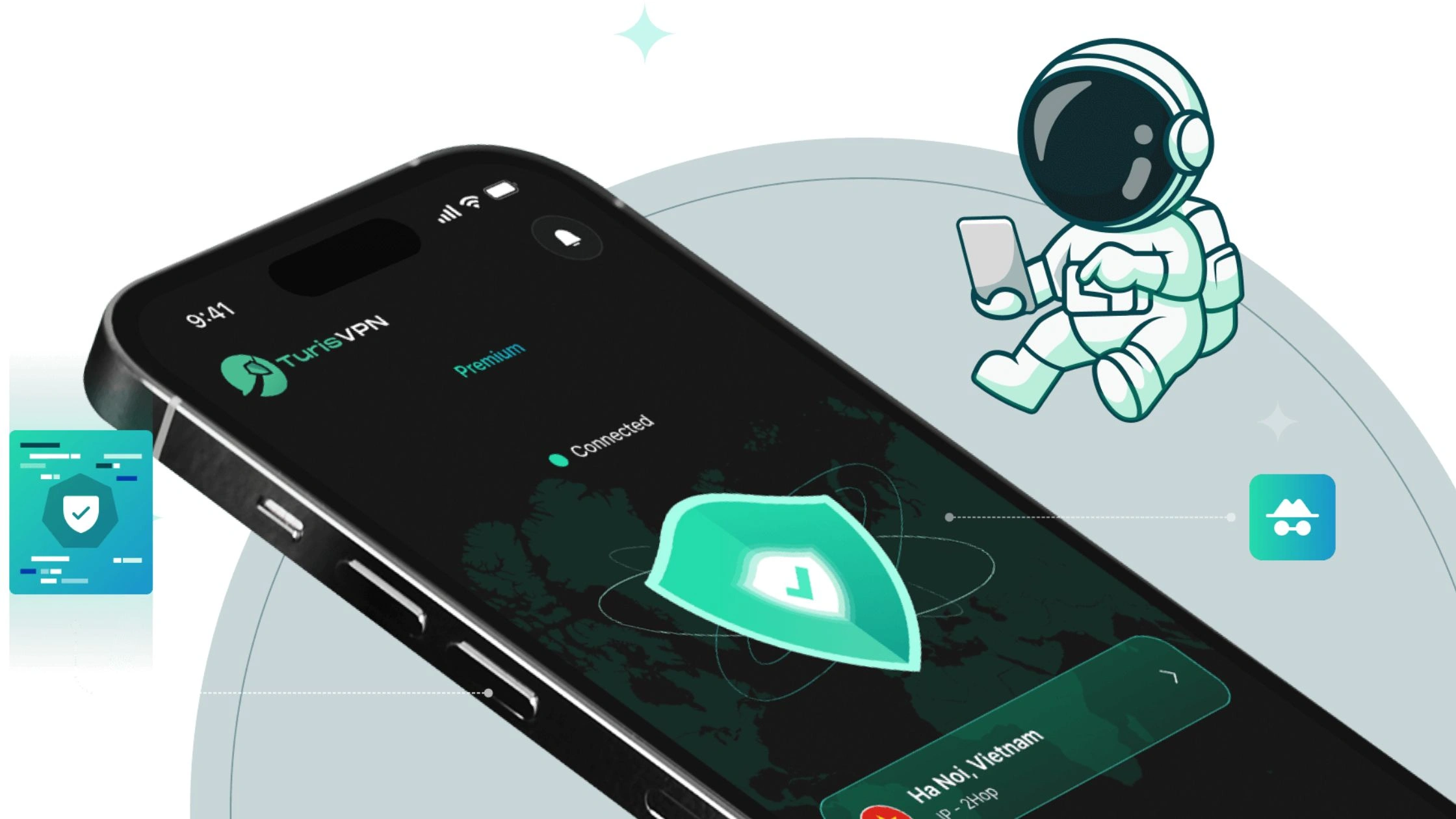
- Browser extension for PC and full-feature mobile apps
TurisVPN focuses on performance and privacy without inflating subscription costs. The pricing model balances affordability and infrastructure investment.
How to Get Started with TurisVPN
Getting started with TurisVPN requires only a few steps:
Step 1: Choose a Plan Select a monthly, annual, or multi-year VPN subscription based on budget and usage needs.
Step 2: Create an Account: Complete registration and payment securely.
Step 3: Download the App or Extension:
- Install the TurisVPN mobile app on a phone or tablet.
- Install the TurisVPN browser extension for PC use.
Step 4: Connect to a Server: Open the app or extension and choose a preferred server location.
Step 5: Start Browsing Securely: Encrypted traffic and IP masking activate immediately after connection.
TurisVPN delivers premium VPN protection at a practical price point. Users who want affordable privacy and streaming access can still get good performance. They do not always need to pay $10–$15 per month for a high-end VPN.
Bottom Line
A VPN usually costs $2 to $15 per month. The price depends on the plan length, server quality, and included features. Long-term plans cost less per month. They can cut the price by more than 50% compared to monthly plans.
Free VPNs cost nothing to start. But they often limit speed, bandwidth, server locations, and privacy protection. For most people, a VPN is worth the cost. You should also look at the security, speed, and privacy the VPN provides.
FAQs
Q1. What is the average cost of a VPN?
The average VPN cost ranges from $3 to $5 per month when choosing a 1–2 year VPN subscription. Monthly plans typically cost $10–$15 per month, while budget multi-year plans can drop as low as $1.99–$3 per month.
Q2. Is there a 100% free VPN?
Yes, 100% free VPN services exist. Free VPN providers often place limits on their service. They may restrict bandwidth, offer fewer server locations, or slow down speeds. Some also show ads or track user data to make money.
Free VPNs rarely match the security, privacy audits, or performance of paid VPN services
Q3. What is the downside of using a VPN?
The main downside of using a VPN is potential speed reduction due to encryption and server routing. Some VPN services may also struggle with certain websites or streaming platforms. Free VPN services carry additional risks, including limited bandwidth and weaker privacy protection.
Q4. What features justify higher VPN prices?
Higher VPN prices are justified by:
- Larger global server locations network
- Unlimited high-speed bandwidth
- Strong encryption (AES-256)
- Modern protocols like WireGuard
- Audited no-log policies
- Kill switch and DNS/IP leak protection
- Higher device limits or unlimited connections
- Dedicated IP or advanced security features