






Is Booksi legitimate? Viral “too-good-to-be-true” hotel and resort offers have made many travelers question whether Booksi deals are safe or just another travel scam. With discounts advertised as high as 83%, concerns often center on hidden fees, pushy timeshare presentations, and poor refund practices.
In our blog post, we break down what Booksi really is, review customer experiences and BBB ratings, highlight the most common complaints, and share practical steps to verify a booking site before handing over your money.
Key Takeaways
| – Booksi is real but risky; it’s operated by Monster Reservations Group, not a total scam, but carries more complaints than mainstream OTAs. – Many travelers report surprise charges, blackout dates, and bait-and-switch tactics. – Steepest discounts often require attending a resort preview or timeshare sales pitch. – Booksi advertises a 7-day refund policy, but BBB and Reddit reviews show delays and poor support. – Verify before booking, always check BBB, Trustpilot, and use tools like VPNs to protect data when testing sites. |
What is Booksi?
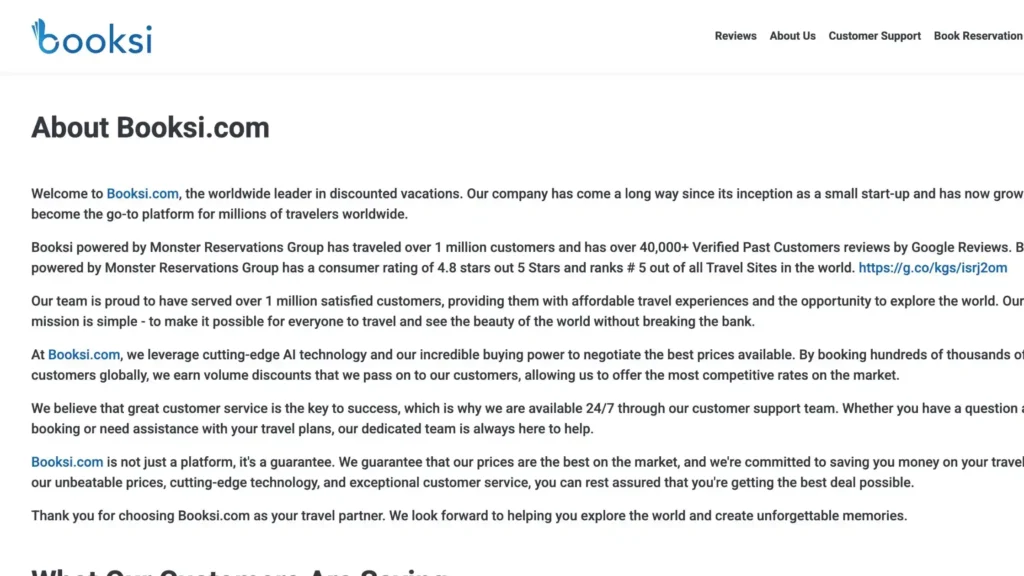
Booksi is an online travel booking website that offers hotels and vacation packages at discounted rates, operated by Monster Reservations Group, the same parent company behind BooksiVacations.com. It positions itself as a middleman offering steeply discounted hotel and resort deals, often advertised as “Booksi vacation” or “Booksi vacation packages.” The platform claims savings of up to 83% off retail rates, which is what draws so much attention online.
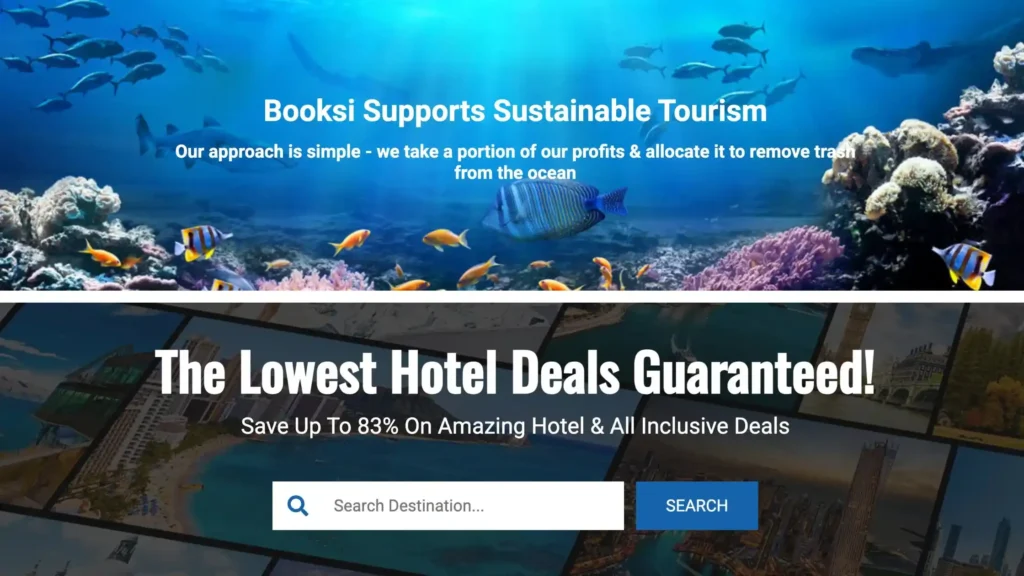
When you book through Booksi.com, you typically provide both your contact and payment details. Booksi then works with suppliers and partner resorts to fulfill your reservation. However, this data-sharing process also increases exposure of your personal information, making it crucial to review the privacy terms carefully before booking.
Packages often include hotel stays bundled with extras like bonus credits, tours, or vouchers, but the availability of dates or specific properties may be limited. Many promotions require attending a timeshare or “resort preview” presentation as part of the deal, a detail that isn’t always obvious up front.
Booksi membership cost is not prominently advertised, memberships and special sign-ups exist for add-on perks or priority access to deals. Before committing, users should confirm the actual membership fees and conditions, as pricing transparency is one of the biggest customer complaints.
Is Booksi Legitimate?
The big question many travelers ask is: Is Booksi legitimate or is Booksi a scam?
Yes, Booksi is technically a legitimate travel booking website operated by Monster Reservations Group, and some travelers have reported completing discounted vacations through the platform.
However, its legitimacy is questioned because of recurring issues like hidden fees, bait-and-switch offers, timeshare requirements, and refund disputes.
However, it carries more risks and red flags compared to mainstream OTAs like Expedia or Booking.com. Reputation signals:
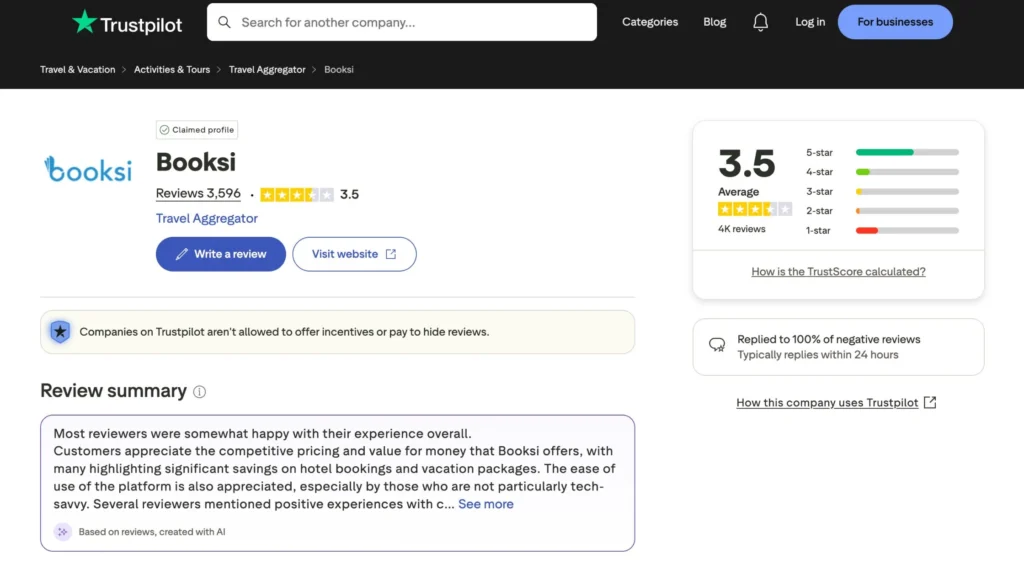
- Booksi’s parent company is BBB-accredited but holds a B rating (not the A it often advertises).
- Trustpilot reviews hover in the mid-3 range, reflecting a mix of satisfied customers and frustrated travelers.
- On Reddit and BBB complaints boards, repeated themes include hidden charges, lack of clear communication, and long wait times with customer service.
Booksi.com is a real booking site, but with high variability in customer experiences. Some users get cheap vacations, while others face timeshare obligations, hidden costs, and refund disputes. It’s legitimate in structure but riskier in practice.
Common Complaints and Red Flags to Watch Out For
When researching Booksi reviews on Reddit, Trustpilot, and BBB, recurring themes stand out. While some travelers report successful trips, many Booksi vacation reviews highlight issues that can turn a cheap getaway into a stressful experience.
Below are the most common red flags raised in access.booksi.com reviews and even third-party sites like Your Destination Experience reviews:
Hidden Charges and Unexpected Fees
One of the biggest frustrations in any Booksi review is the extra charges that surface after booking. Travelers mention taxes, resort fees, and processing costs that dramatically reduce the headline savings advertised.
For example, a trip marketed at “$199” may balloon once activation and resort fees are added. Always calculate the total out-the-door price before entering your credit card.
Reports of Bait-and-Switch or Limited Availability
Another frequent complaint in Booksi vacation reviews complaints involves availability issues. The resort or dates that drew travelers in often aren’t available once payment is submitted.
Instead, Booksi may offer different properties or narrower booking windows, making the deal feel like a bait-and-switch. Some reviewers note that while a resort is featured in ads, most dates are blacked out.
High-Pressure Tactics and Timeshare Concerns
Several Booksi reviews BBB consumer reports point to timeshare presentations hidden in the fine print. To unlock the steepest discounts, travelers are often required to attend a “resort preview” or sales pitch from companies like Bluegreen or similar vacation-ownership groups.
While legal, these presentations can feel high-pressure and uncomfortable, especially if you weren’t expecting them.
Customer Service Gaps and Cancellation Issues
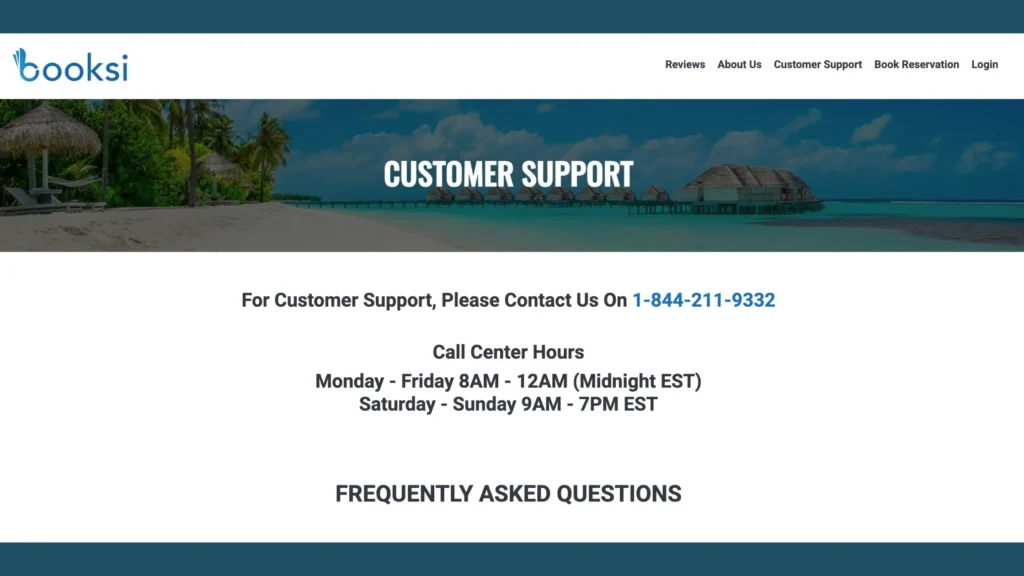
Customer support is another weak spot flagged in access.booksi.com reviews. Many customers report difficulty reaching a real agent, being placed on long holds, or being bounced between multiple parties (Booksi → Monster Reservations Group → the resort).
Refunds and cancellations are often slow or denied, despite Booksi’s advertised 7-day refund policy. Some reviewers even claim that after payment, Booksi became unresponsive — making them question whether is Booksi a scam or real.
For urgent issues, travelers often search for a Booksi Vacations phone number, but reaching someone who can resolve problems remains inconsistent.
What consumer reports and BBB reviews reveal?
Independent sources like Booksi vacation reviews, complaints on the Better Business Bureau (BBB), and consumer reports provide some of the clearest insight into how Booksi operates beyond the glossy ads.
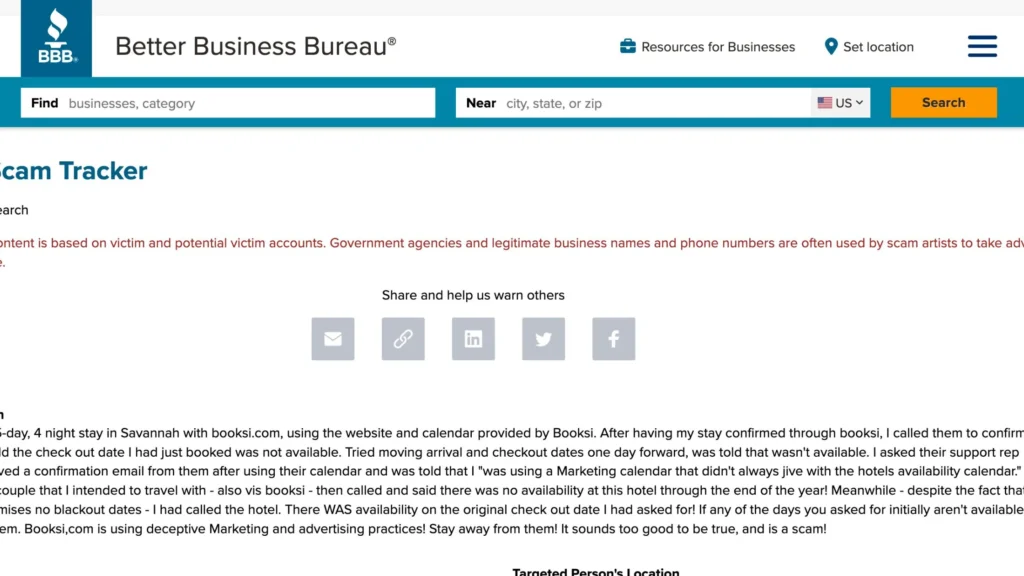
The Booksi reviews BBB consumer reports page shows a mix of positive experiences and negative ones that consistently reference refund delays, hidden fees, and aggressive sales pitches.
Booksi’s parent company, Monster Reservations Group, is formally accredited but holds only a B rating, lower than the “A” rating it advertises on some marketing materials.
The BBB Scam Tracker also includes multiple entries tied to Access.Booksi.com, where travelers describe issues like unconfirmed reservations, extra charges at check-in, or being required to attend timeshare presentations that weren’t clearly disclosed at the time of booking.
On Trustpilot, Booksi has a mixed profile. Some customers describe successfully booking affordable vacations through access.booksi.com reviews, praising the ability to save compared to mainstream sites. Others echo the same red flags seen on the BBB: limited availability, poor customer service, and bait-and-switch experiences.
Community-driven sites and travel forums show a similar split. Threads often point back to Monster Reservations Group as the fulfillment partner, with complaints centering on refund disputes or high-pressure timeshare upsells.
Public review hubs suggest that Booksi is not an outright scam but a higher-risk booking path compared to mainstream OTAs like Expedia or Booking.com. Some travelers walk away with genuine savings, while others face frustrating roadblocks or unplanned costs. The inconsistency itself is the biggest red flag.
How to verify if a travel website is legitimate?

Booksi itself isn’t a timeshare company, many of its steepest discounts require attending timeshare or “resort preview” presentations. That doesn’t make it a scam automatically, but it’s a major factor you should verify before committing. Always read the fine print to see if a “mandatory tour” or “90-minute presentation” is part of the package.
Fake Vacation Rentals
Scammers create listings for vacation homes or resorts that don’t exist, often with stolen photos. Verify the property directly through official hotel sites or platforms like TripAdvisor before paying. If the deal is exclusive to one unknown site, that’s a red flag.
Fraudulent Travel Agencies and Package Deals
Some agencies, like questionable middlemen, use bait-and-switch pricing. They advertise “up to 80% off” but reveal higher totals only after you enter payment details. Compare prices on multiple trusted OTAs (Expedia, Booking.com) before checking out.
Fake Flight Cancellations and Rebooking Scams
Fraudulent operators may send emails saying your flight was “canceled,” then demand payment for rebooking. Real airlines issue rebooking directly via your official booking ID. Always log in to the airline’s official portal instead of clicking external links.
Phishing Emails and Links
Scam emails often impersonate booking confirmations or “limited-time deals.” Hover over links before clicking — if the URL doesn’t match the official site (e.g., access.booksi.com vs random variations), don’t trust it.
Malicious QR Codes
Scammers sometimes send QR codes for “exclusive travel offers.” Once scanned, they can steal personal or banking details. Only scan QR codes from verified hotel chains or platforms, never from random emails or flyers.
| >> Read more: Is Survey Spotter Legit? Is Pionex Legit? Is Lensa Legit? |
Enhance Travel Security with TurisVPN
Even if you confirm a booking site looks legitimate, your personal data can still be at risk when browsing or paying online, especially on public Wi-Fi in airports, hotels, or cafés:
Why does VPN matter for secure browsing abroad?
- Protects payment details: TurisVPN encrypts your connection so credit card numbers and login credentials can’t be intercepted by hackers or rogue networks.
- Hides your real location: Some booking sites show different prices based on your IP. A VPN masks your location, helping you avoid inflated “tourist pricing.”
- Shields from surveillance: ISPs, third-party trackers, and even compromised hotel Wi-Fi systems can monitor your activity. TurisVPN blocks this data collection.
- Safer on public Wi-Fi: Whether you’re booking a hotel or checking itineraries, TurisVPN ensures your traffic stays private.
How Free VPN can help test travel booking sites before committing
Before you hand over your credit card, you can use TurisVPN’s free trial to test booking sites safely:
- Step 1: Connect to a nearby server for fast speeds.(e.g Singapore VPN)
- Step 2: Open the booking site and compare prices across multiple regions. Sometimes discounts vary by country.
- Step 3: Check whether the site triggers security alerts when routed through secure connections — shady sites often behave differently under scrutiny.
- Step 4: If the deal still looks legit, proceed with payment using the secure VPN connection.
Using TurisVPN this way gives you an extra line of defense against scams and price manipulation, making it an essential tool for smarter and safer travel planning.
What To Do If You’ve Already Been Scammed Online?
If you’ve engaged with a suspicious travel site and realize you may have been scammed, taking swift action can reduce damage and improve your chances of recovery.
Follow these steps immediately:
Stop All Communication with the Scammer
The priority is to cut off contact. Do not reply to further emails, texts, or calls — scammers often attempt to extract even more money or personal data once they know you’re vulnerable.
Document Everything
Keep a record of all interactions. Save emails, text messages, payment receipts, booking confirmations, and screenshots of the website. This evidence will be crucial when reporting the fraud or disputing charges.
Report to Better Business Bureau (BBB)
File a complaint with the BBB Scam Tracker. Even if you don’t recover funds, your report helps warn other travelers and builds a public record against fraudulent companies like those tied to Booksi complaints.
Report to Consumer Protection Authorities
Depending on your location, report the scam to agencies such as the FTC (U.S.), Competition and Markets Authority (U.K.), or your national consumer watchdog. These organizations investigate patterns and can take legal action.
Report to Your Bank or Credit Card Issuer
Contact your bank or card provider as soon as possible. Explain the situation, request a chargeback if eligible, and ask them to block further transactions. Most banks have fraud protection services in place.
Report to Internet and Cybercrime Authorities
Submit your case to authorities like the Internet Crime Complaint Center (IC3) in the U.S. or your local cybercrime unit. The more reports filed, the greater the chance of coordinated enforcement against fraud networks.
Change Passwords and Secure Accounts
If you provided login details, immediately reset your passwords. Use strong, unique credentials and enable two-factor authentication (2FA) where possible. This reduces the risk of identity theft and further breaches.
Taking these steps quickly can contain the fallout of a scam and help you regain control over your finances and personal data.
Bottom Line
Booksi is not a complete scam — it is operated by Monster Reservations Group and has processed real vacations for some customers. However, the volume of complaints about hidden fees, bait-and-switch tactics, poor communication, and timeshare requirements makes it riskier than booking directly with mainstream OTAs like Expedia, Booking.com, or directly through hotels.
If you do choose to book with Booksi, always read the fine print, clarify refund policies, and use a secure payment method. For extra peace of mind, pair these steps with tools like TurisVPN to protect your browsing and financial details when shopping for travel online.
FAQs
Q1. Is Booksi a timeshare?
Not exactly, but many Booksi vacation packages require attending a resort preview or timeshare presentation to unlock the steepest discounts. If you prefer to avoid timeshare sales pitches, read the conditions carefully before booking.
Q2. Does Booksi require a membership?
There is no mandatory Booksi membership cost for basic access. However, some packages advertise “member perks” or resort fees that are not clearly disclosed upfront. Always confirm the total cost before paying.
Q3. Does Booksi give refunds?
Booksi advertises a 7-day refund window, but many customer reviews on BBB and Reddit report difficulties in obtaining refunds or even reaching support via the Booksi vacation phone number. Document all communication and contact your bank promptly if issues arise.
Q4. How do you know if a booking site is legit?
Check independent reviews (Trustpilot, Reddit, BBB) rather than relying on testimonials on the site. Confirm that the company lists a verifiable address and phone number, uses secure payment methods, and provides transparent refund and cancellation policies. If the deal seems too good to be true, or if you’re pressured into a quick decision, treat it as a red flag.