






Recent reports show that 61.78% of all spam calls reported in New York City come from local area codes such as 929, making it the fifteenth most frequently cited source for spam and scam calls in the region.
We will clarify the truth behind area code 929 scams, explain why scammers are drawn to this area code, and how to help identify them and avoid falling prey to scams.
We will look at the area code 929 location and the common scams, and what to do when receiving 929 number spam calls or weird texts. Learn ways to avoid unwanted contact and protect yourself with privacy tools with TurisVPN.
What Is the 929 Area Code and Why Is It Associated with Scams?
The 929 area code is a legitimate telephone area code established for New York City’s outer boroughs, which include the Bronx, Queens, Brooklyn, and Staten Island. It was introduced in April 2011 as an overlay to earlier New York codes like 718 and 347 to provide more available numbers in this region.
Is 929 a cell phone number? The answer is a definitive yes, the 929 prefix is valid for both landlines and cell phones. While thousands use it for business or personal calls, its flexibility lets scammers spoof caller IDs and reach more targets.
The 929 area code time zone matches Eastern Time, and the 929 area code map shows coverage crossing much of New York City. Many fraudsters use the 929 area code through WhatsApp and other messaging tools to pose as locals, and people often answer out of trust. This leads to a spike in area code 929 scam calls or texts meant to trick or steal.
How to Spot a Scam Call from a 929 Area Code?
Recognizing a scam call is essential in protecting your personal information. Fraudsters using the 929 area code scam employ various tactics designed to confuse or pressure their victims. Here are key signs to watch for:
Unexpected Calls
If you receive a phone call from area code 929 (New York) without an appointment or notice, be careful in answering. Scammers typically use unsolicited calls as their first point of contact, and the 929 number will call you repeatedly in order to decrease your resistance.
High-Pressure Tactics
Scammers will urge you to make quick and immediate decisions to pay a fee or verify personal information. For example, they may call and claim there’s been suspicious activity on your bank account. They then ask you to “verify” your account number, password, or one-time code to “secure” your money.
Real organizations or businesses rarely put pressure on you to make an immediate decision.
Caller Claims
Watch out for callers who claim they are from a government agency, tech support, or a well-known legitimate business. They will provide a seemingly credible story (with dates and times). Therefore, you should verify with the agency or business independently.
Requests for Personal Information
When you notice a scam, any request for personal information like Social Security number, passwords, or banking info should show up on your personal red flag list. A valid caller will never ask you for this information without you initiating the contact.
Robocalls and Pre-Recorded Messages
Automated calling systems with pre-recorded voices are typically scams. If you receive a robotic voice from area code 929, don’t answer the call.
Number Spoofing
Some scammers can spoof a 929 area code number to make the call almost seem local. Be alert even if you recognize the number.
Repeated Calls
If a 929 number is calling you repetitively, like many times a day, chances are this is a scam trying to make contact.
Urgent Messages by Text
Receiving urgent or threatening text messages from a 929 area code demanding action is a scam trait. Don’t click on links and don’t provide any details in texts.
What Should You Do if You Receive a Scam Call from a 929 Number?
Should a suspicious phone call or spam text from the 929 area code come in, take the following precautionary steps immediately.
- Do not answer the identified caller number or even engage with them.
- Do not provide any personal or financial information, even if asked (if applicable).
- Block the number on your phone.
- Report the scam to relevant authorities like the FTC.
- Use apps or services to block the scam caller.
- Pay attention to your bank and credit accounts for signs of unusual activity.
- Talk about it with your friends and family to help educate them.
The more precautions you take, the less risk you are exposed to, and also to help prevent others from becoming victims of scammers using area code 929.
For detailed tips on how to protect your phone number and spot misuse early, read our guide on someone using your phone number.
How to Prevent 929 Area Code Scam Calls
Stop the area code 929 scam calls and texts for your peace of mind. Here are useful tips:
Ignore Unknown 929 Calls
Simply screen your calls and let them go to voicemail. If the caller is real, they will leave a message.
Do Not Return Unrecognized Calls
Do not call back an unknown caller from the area code 929 or any suspicious number. You open yourself up further to tussling with a fraud.
Use Call-Blocking Tools
Use your smartphone’s built-in block features or apps designed to filter scam calls and texts. Popular options include Truecaller, Hiya, and RoboKiller. These apps identify spam numbers, block robocalls, and keep your phone safer from fraud.
Be Skeptical of High-Pressure Calls
If you get a call from a 929 number that pushes you to pay or share info right away, hang up and do not respond. To prevent falling for scams, always take time to verify the caller’s identity through official channels before making any decisions.
Avoid Clicking Links in Texts
Do not tap on links from suspicious text messages from 929 area code numbers. These often include fake URLs such as “bit.ly/FreeGift” or “secure-payment929.com” that try to steal your data. Also, don’t download apps or software from unverified sources. Always verify messages through official sites before clicking any link.
Report Spam Calls
If you receive a 929 code spam text or calls, report them immediately. If it’s a message, forward the text to 7726 (SPAM) and it will go straight to your mobile provider. If it is a call, report the number to your carrier, or to the Federal Trade Commission at ReportFraud.ftc.gov. This will assist carriers and authorities in blocking them.
Regularly Monitor Financial Accounts
Be mindful of your accounts to detect immediate signs of possible fraud as a result of falling into scam activity that is associated with the 929 area code scams.
Phone scams can be avoided by staying alert and using privacy tools. Learn more about protecting yourself in our OfferUp scams guide.
Understanding the Legal Framework Around 929 Area Code Scams
While the protections exist against phone scams, it can be tough to enforce them. Just like with telemarketing scams, there are some agencies, like the Federal Trade Commission (FTC), that regulate telemarketing and fraud. The FTC has resources on reporting a spam text from area code 929 (in New York City) and scam calls in general.
The National Do Not Call Registry opens a few doors to end legal telemarketing, but it will not stop scammers from using illegal methods like spoofing. Knowing and reporting what your rights are and reporting fraudulent activity in your region will strengthen our defensive battle against scammers.
Using TurisVPN to Safeguard Your Privacy and Avoid Scams
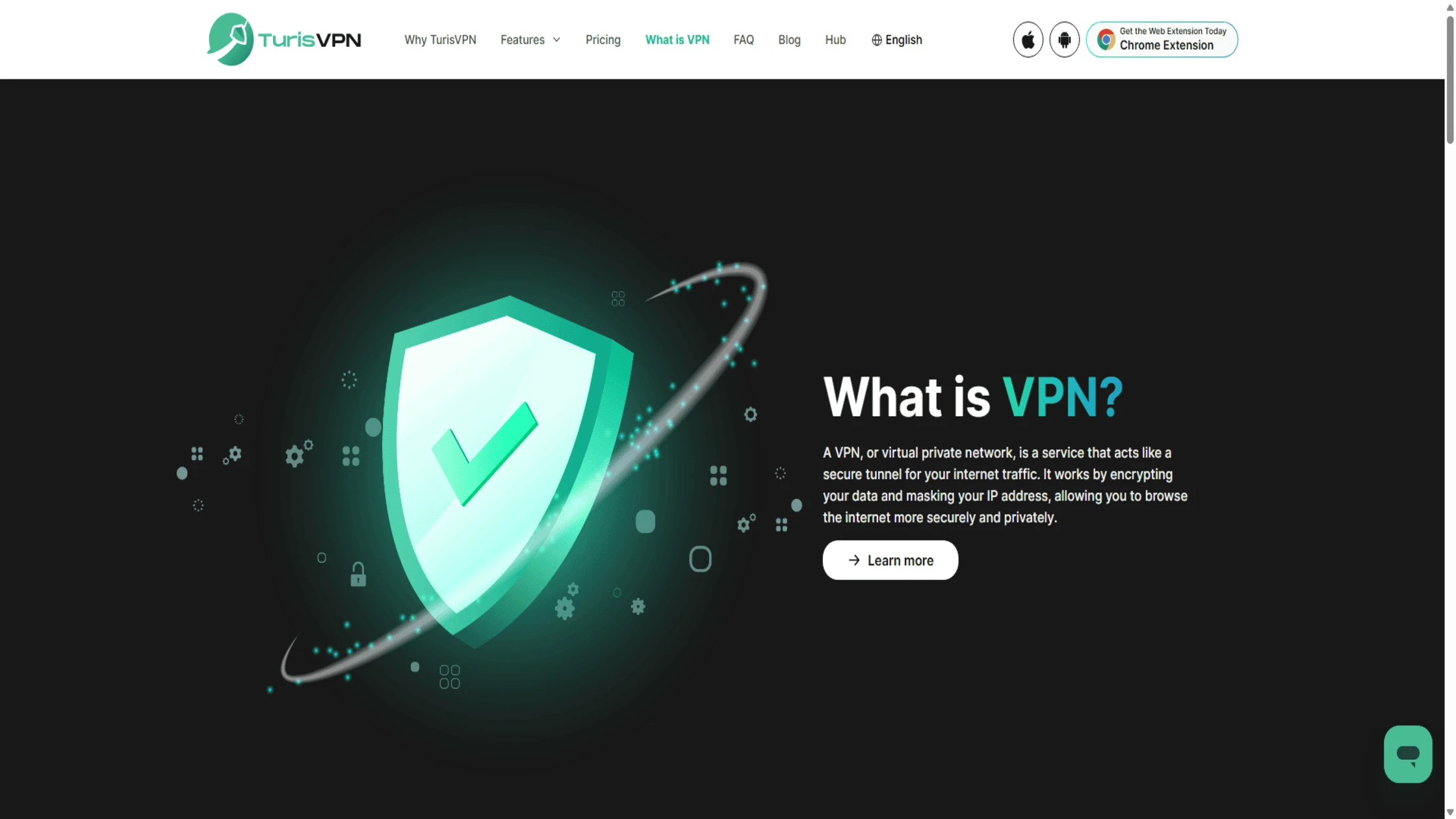
Protecting privacy is key to fighting area code 929 scams. Follow these steps to use TurisVPN:
Step 1: Download and Install TurisVPN
Visit the official TurisVPN website and download the app for your device. TurisVPN works on computer browsers, smartphones, and tablets, making it easy to protect all your devices.
Step 2: Create an Account
Open the app and sign up with your email. Choose a strong password to keep your account secure.
Step 3: Connect to a VPN Server
Open TurisVPN and select a location. Once you connect, you now have encrypted internet traffic, and your real IP address is now hidden from scammers who may be tracking you.
Step 4: Use TurisVPN When Opening Text Links or Browsing
If you click on a link inadvertently from someone you have no clue about with the area code 929, having TurisVPN turned on is going to be helpful to stop tracking or attempts to hack you.
Step 5: Regularly Update TurisVPN
Keep the app updated, and you will have the most up-to-date security improvements to help block the repeated tracking and fraud actions by suspected scammers associated with area code 929 scams.
Step 6: Stay Aware and Combine with Other Precautions
While TurisVPN can protect your online activity from fraud, continue to ignore unknown calls, don’t share any personal information, and report suspected scam numbers that may persistently call. You are maximizing your efforts to protect yourself from fraud.
For tips on optimizing your VPN for better call quality and privacy, see our article on how VPNs affect phone calls.
What Are the Most Common Scam Numbers from the 929 Area Code?
Many scam calls from the 929 area code come from a set of frequently reported numbers. These numbers change often, but some have appeared repeatedly in consumer reports and scam databases. Here are some of the most reported scam numbers linked to the 929 prefix:
- 929-630-6350
- 929-877-7387
- 929-565-0588
- 929-554-6926
- 929-909-3974
- 929-444-7689
- 929-389-1006
- 929-572-2321
- 929-312-3622
These numbers have been highlighted in FTC complaint records and scam report sites. Please note that scammers can also spoof legitimate numbers, and so number patterns alone will not provide a guarantee of safety.
If you are seeing the 929 number repeatedly call you or send threatening messages, it is probably one of these many frequent scam numbers. Exercise caution always.
Bottom Line
Area code 929 scams pose a threat due to their New York City roots and local look. Staying safe means knowing the area code 929 location, blocking suspicious numbers, and dodging links in texts.
Never reply to unknown calls or share personal information. Use call blockers and privacy tools like TurisVPN, remain aware, and report problems to help fight fraud for everyone.
FAQs
Q1. Where Is the 929 Area Code Located?
The 929 area code location covers the New York City boroughs of the Bronx, Brooklyn, Queens, and Staten Island. It was introduced in 2011 as an overlay to existing New York area codes.
Q2. Is 929 a Legitimate Area Code?
Yes, 929 is a fully legitimate area code assigned to parts of New York City. However, like any legitimate code, it is sometimes exploited by scammers.
Q3. How Can I Tell if a Call from the 929 Area Code Is Legitimate?
Be wary of unexpected calls from 929 numbers asking for personal information, using high-pressure tactics, or sending urgent texts with links. Verify claims independently, block suspicious numbers, and report scams.