



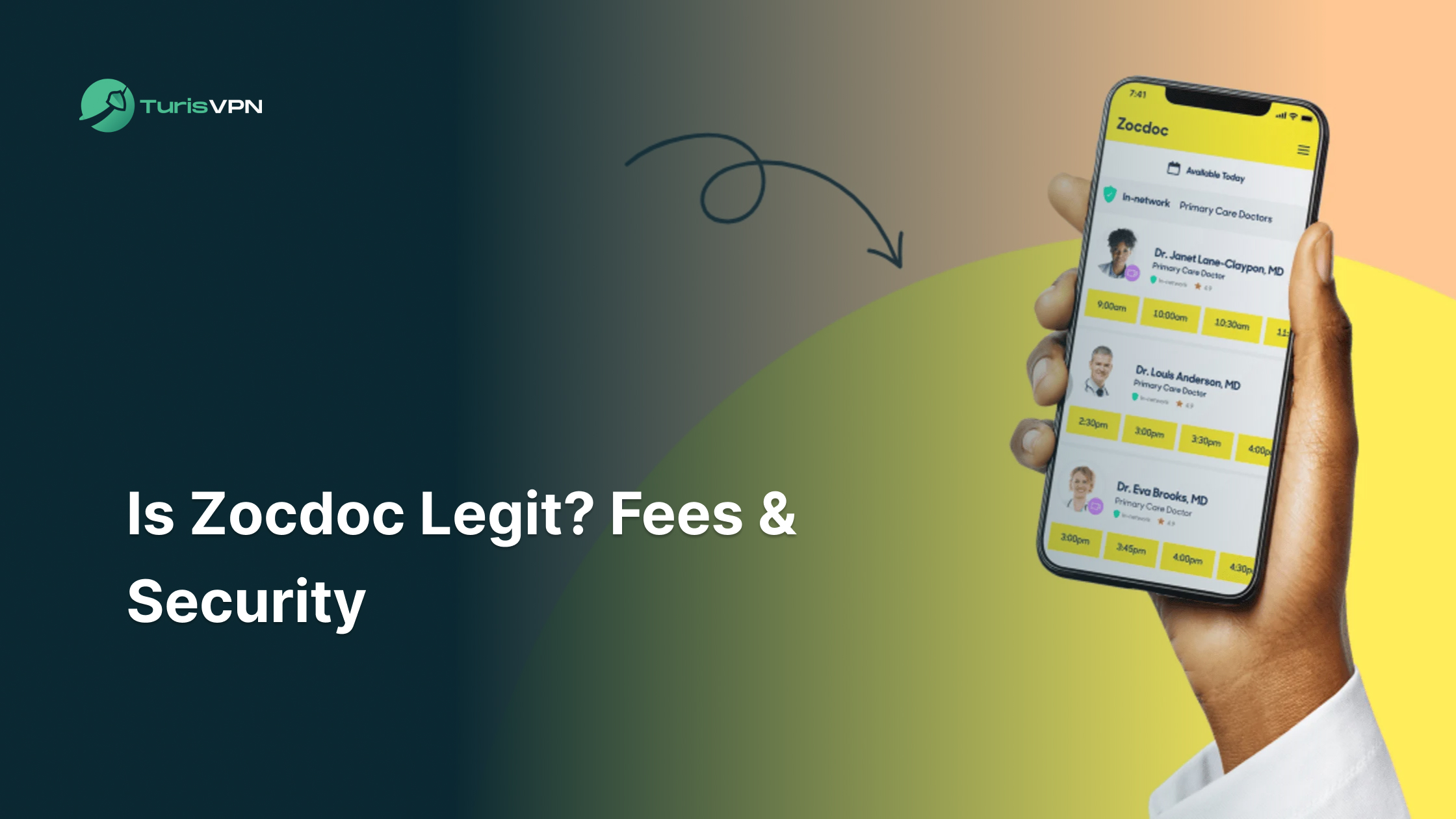
Is Zocdoc legit? Yes, it is a widely used and verified healthcare marketplace, but like any digital tool, it has vulnerabilities you must understand. We will explore everything from their HIPAA compliance to how Oliver Kharraz, the founder, built the system.
By the end of this article, you will know exactly how to use the platform safely and how tools like TurisVPN can add an extra layer of protection to your medical data.
Is Zocdoc a Legitimate Platform?
Yes, absolutely. Zocdoc is a digital healthcare marketplace that allows users to find nearby doctors and book appointments instantly. The platform launched in 2007 to help patients find care. The New York company connects millions of people with doctors every year. Oliver Kharraz leads the business to ensure a transparent marketplace.
You can use the site to easily search for specialists and check insurance coverage. Zocdoc, Inc. is a registered business that has served the US healthcare system for over a decade. Establishing that the company is real is important, but knowing exactly how they lock down your sensitive medical records is even more critical.
How Secure is Zocdoc?
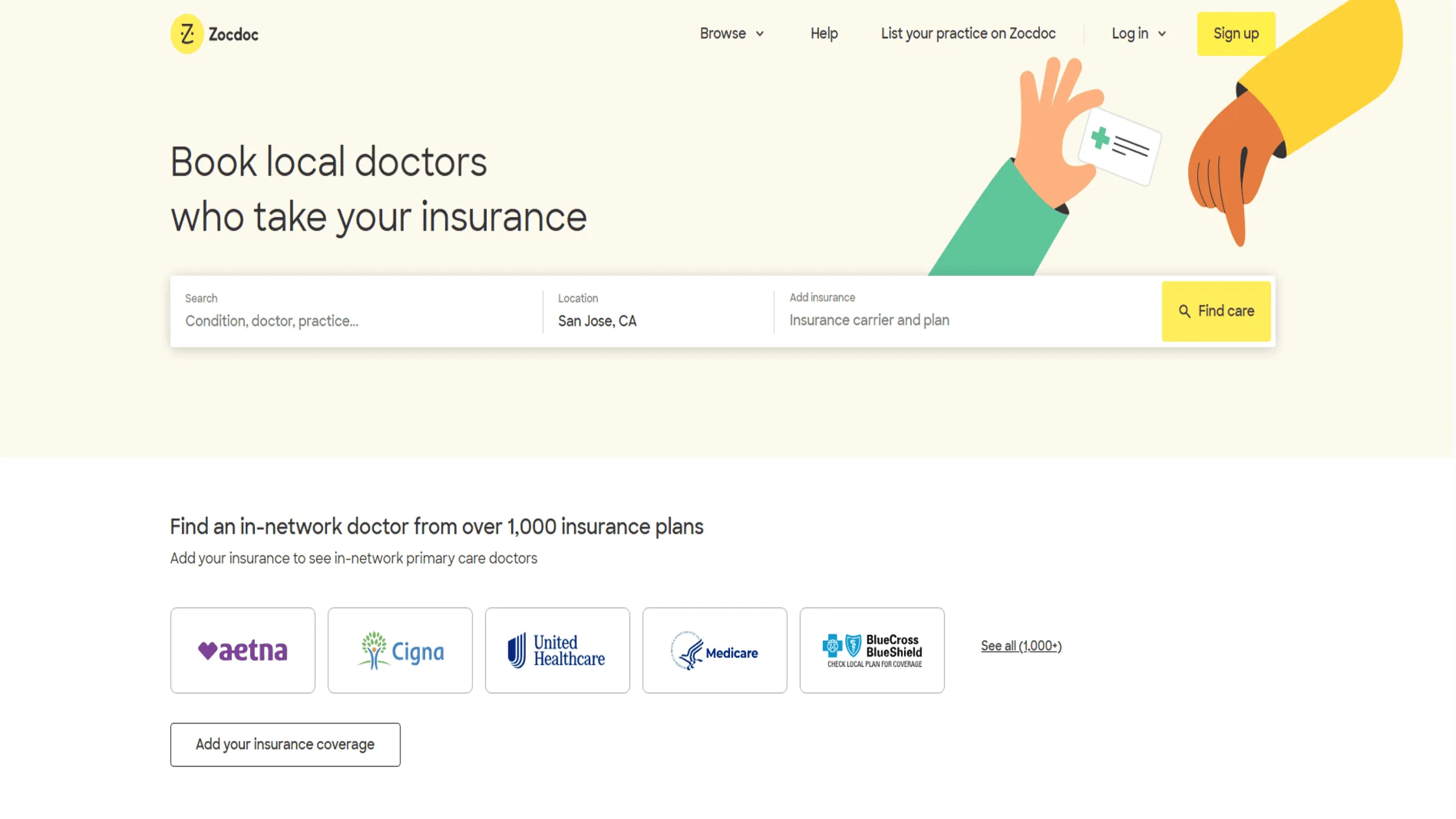
Health data is the most sensitive information you possess. How does Zocdoc protect your data? They employ a multi-layered security approach that meets federal standards.
Technical Security & Certifications
Patients often ask how Zocdoc protects their data before they feel safe booking an appointment. Zocdoc, Inc. uses several layers of defense to secure your information:
- Bank-Level Encryption: The app uses 256-bit SSL encryption. This protects your data while it moves between your phone and their system.
- Secure Storage: Your records are fully encrypted. Thieves cannot read the files even if they physically steal the servers.
- Certified Trust: Zocdoc holds the HITRUST CSF Certification. This proves they meet rigorous industry standards for managing risk.
- Regular Audits: They pass SOC 2 Type II audits every year. These tests confirm that their security controls work correctly over time.
- HIPAA Rules: The platform adheres to HIPAA federal standards. They sign a BAA with every doctor to legally protect your health info.
Data Privacy Practices
Strong encryption prevents theft, but you also need to know how the company handles your personal details.
- No Data Sales: Zocdoc states that it never sells your personal information to third parties for marketing purposes.
- Service Focus: They use your data only to improve the app and help you find the right doctor.
- Doctor’s Responsibility: Zocdoc secures the transfer of your file. However, the doctor must secure their own office computers once they receive the data.
While their current defenses are strong, looking at their history of technical errors provides a more honest view of their potential risks.
Past Incidents & Vulnerabilities of Zocdoc
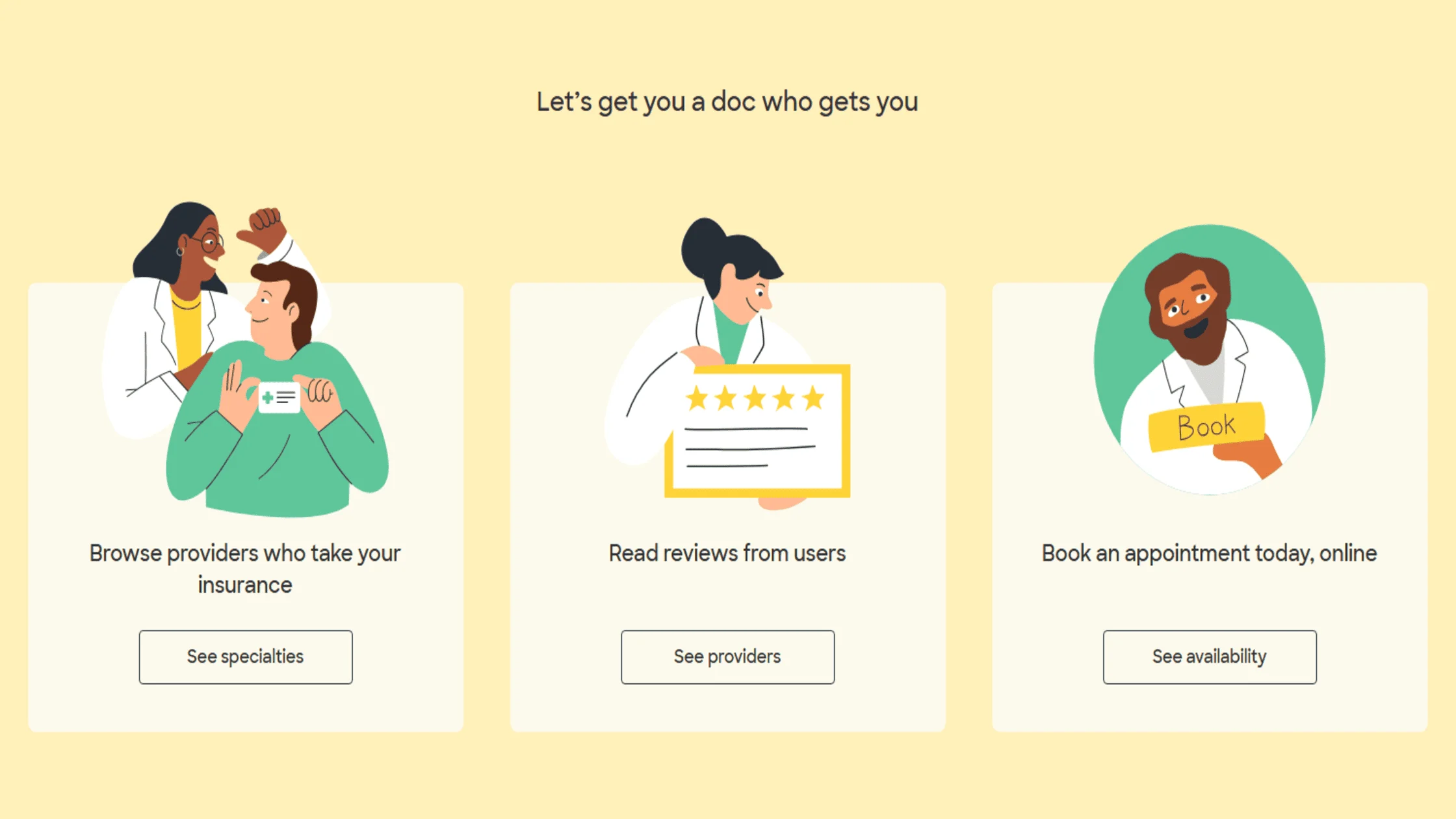
Being a legitimate business does not automatically mean a platform is flawless. To fairly answer “Is Zocdoc legit?“, we must look at their track record. They have had incidents that potential users should be aware of.
2020–2021 Data Exposure
In 2021, Zocdoc disclosed a data privacy incident. A programming error introduced in August 2020 allowed some medical practice staff members to access the Zocdoc Provider Portal after their accounts had been revoked.
This was not a hack by outside cybercriminals. Instead, it was an internal permission error. It meant that former employees of a doctor’s office might have retained access to patient names, phone numbers, and appointment details.
Zocdoc, Inc. stated that social security numbers and medical history were potentially visible but that the exposure was limited to specific practice staff, not the public internet. They patched the error and notified affected users, demonstrating a level of transparency essential to trust.
Phishing Risks
Zocdoc is legit, but scammers often impersonate legit companies. Phishing is a major risk for Zocdoc users. Cybercriminals may send emails that appear to be Zocdoc appointment confirmations or requests for insurance details. These emails often contain links to fake login pages designed to steal your credentials.
Because Zocdoc frequently sends legitimate emails (reminders, review requests), it can be hard to spot a fake. Always check the sender’s email address. Real emails will come from a @zocdoc.com domain. If you receive a suspicious message asking for sensitive info, do not click the link. Instead, go directly to the Zocdoc app or website to check your messages there.
Data breaches are one concern, but we must also ensure that the providers listed on the platform are qualified professionals.
How Does Zocdoc Verify Doctors and Reviews?
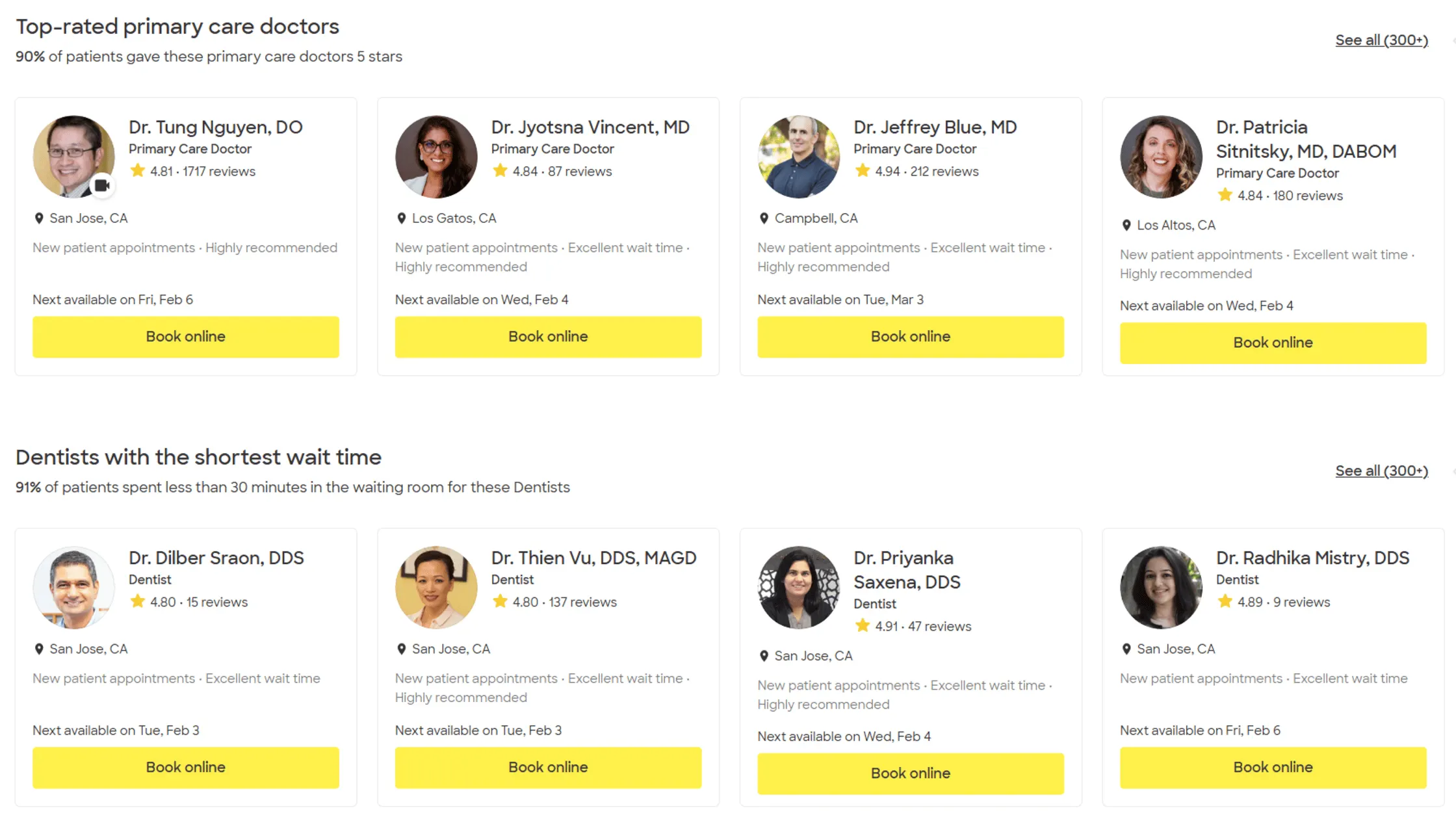
One of the biggest fears patients have is booking a fake or unqualified doctor. Is Zocdoc reliable in its vetting process? We reviewed their procedures to see how they ensure quality.
Initial Onboarding Verification
Before a doctor can appear on Zocdoc, they must undergo verification. Zocdoc checks that the provider holds a valid, active medical license in the state where they practice. They verify that the doctor is in “good standing,” meaning they do not have active disciplinary actions preventing them from practicing.
They also verify the doctor’s identity and their affiliation with the practice they claim to represent. This prevents fraudsters from creating fake listings to harvest patient data.
Ongoing Monitoring & Re-Vetting
Verification is not a one-time event. Medical licenses expire, and disciplinary actions can happen at any time. Zocdoc uses automated systems to monitor the status of medical licenses. If a doctor loses their license or falls out of good standing, their profile is removed from the search results.
This ongoing monitoring helps maintain the integrity of the platform. It ensures Zocdoc is legit regarding provider validity.
Verified Patient Reviews
Online reviews are often plagued by bots or paid-for fake reviews. Zocdoc uses a “closed-loop” review system. You cannot simply go to the site and write a review for a random doctor. You can only review a doctor after you have booked an appointment with them through Zocdoc and attended it.
After your appointment, Zocdoc sends a review request. This ensures that every review you read comes from a real patient who actually saw that provider. This makes their rating system significantly more trustworthy than open platforms like Google or Yelp.
Understanding the vetting process is key, but you should also weigh the practical benefits and drawbacks before downloading the app.
Pros and Cons of Using Zocdoc
Is the platform right for you? Here is a quick breakdown.
| Pros | Cons |
| User-Friendly: easy to search by insurance. | Limited Providers: Not every doctor lists on Zocdoc. |
| Speed: Shows last-minute openings. | Cancellation Fees: specific to the doctor, not Zocdoc. |
| Verified Reviews: Only real patients can post. | Glitchy Syncing: Sometimes the calendar sync lags. |
| Free for Patients: No cost to book. | Data Privacy: Digital footprint increases. |
The pros heavily outweigh the cons for most users. The convenience of finding an in-network doctor who can see you tomorrow is unmatched. However, users should be aware that if a doctor’s internal calendar is not perfectly synced, an appointment shown as “available” on Zocdoc might actually be taken, leading to a reschedule.
Weighing these pros and cons is essential, yet you can further tip the scale in your favor by adding your own layer of network security.
How TurisVPN Can Help When Using Zocdoc
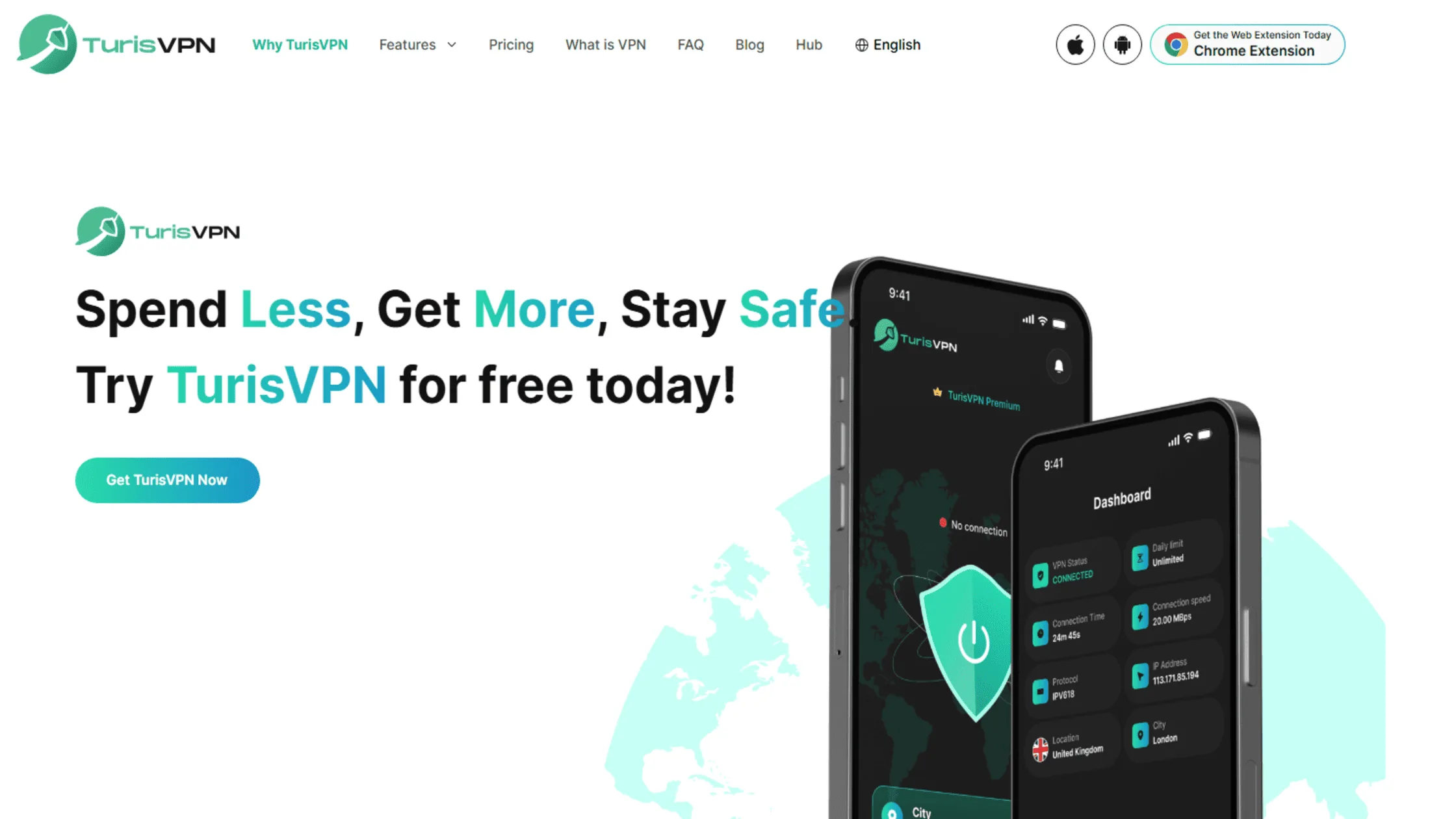
While Zocdoc encrypts your data on their end, your connection to them is only as secure as the network you use. If you book an appointment while on public Wi-Fi at a coffee shop, hackers could intercept your traffic. This is where we come in. TurisVPN creates a secure, encrypted tunnel for your internet traffic.
How to use TurisVPN to secure your medical booking:
- Download and Install: Download the TurisVPN app for your mobile phone or install the Chrome Extension on your computer.
- Connect to a Server: Choose a server location near you for the best speed.
- Verify Connection: Ensure the app shows “Connected,” and your IP is masked.
- Open Zocdoc: Launch the Zocdoc app or website and book with confidence.
Using a VPN ensures that no one on your local network can see that you are visiting a medical site. If you are researching sensitive symptoms on public Wi-Fi, you need protection. We offer a free VPN for browsing that secures your initial search before you even log into Zocdoc.
Security is not the only benefit. Sometimes, after a stressful health scare, you just want to relax. We know that accessing comfort content is vital, which is why we help users watch restricted US channels from anywhere in the world. Enhancing your security is a great step, but we must also clarify the financial model to ensure the service is truly free for you.
Costs and Fees: Is Zocdoc Really Free?
For patients, the answer is yes. You do not pay a cent to download the app, search for doctors, or book appointments. There are no hidden subscription fees for users.
So, how does Zocdoc, Inc. make money? They charge the doctors. Providers pay to be listed on the platform because it acts as a marketing tool that brings them new patients. Doctors pay a subscription fee or a fee per new patient booking.
However, “free to use” does not mean “free from consequences.” You must still pay your doctor for the medical visit, just as you normally would. Your insurance copays and deductibles still apply.
Also, be aware of cancellation fees. Is Zocdoc free if you cancel? Zocdoc itself does not charge you, but the doctor might. Most offices have a 24-hour cancellation policy. If you miss your slot, the doctor may bill you a fee (often $50-$100). This is the medical practice’s policy, not the app’s.
We believe in transparency. Free services often come with hidden costs or data trade-offs. Similarly, in the cybersecurity world, understanding the difference between a paid VPN and a free service is crucial for data safety. While Zocdoc is free and secure, always be wary of “free” tools that lack a clear business model, such as Zocdoc’s doctor-funded model.
Bottom Line
Is Zocdoc legit? Yes. It is a secure, HIPAA-compliant platform that has successfully connected millions of patients with doctors. With robust encryption, verified reviews, and leadership from Oliver Kharraz, it stands as a reliable tool in digital health.
However, no platform is perfect. The 2021 data exposure serves as a reminder that digital data always carries risk. By using strong, unique passwords and securing your connection with a tool like TurisVPN, you can minimize these risks. Just remember to check the doctor’s cancellation policy and keep your own device secure.
FAQs
Q1. What Happens If I Need to Cancel an Appointment?
If you need to cancel, you can do so directly in the Zocdoc app or on the website. Go to your “Appointments” tab, select the visit, and click cancel. Is Zocdoc free to cancel? Yes, the app does not charge you. However, you must check the specific doctor’s profile for their cancellation policy. If you cancel less than 24 hours before, the doctor may send you a bill.
Q2. Do doctors pay for Zocdoc?
Yes. Zocdoc operates on a B2B (Business-to-Business) model. Doctors and medical practices pay subscription fees or booking fees to appear in search results. This allows the service to remain free for patients.
Q3. Is Zocdoc HIPAA Compliant?
Yes. Zocdoc, Inc. is fully compliant with HIPAA regulations. They implement strict security measures to protect patient health information. They also sign a BAA (Business Associate Agreement) with providers, ensuring that all data handling complies with federal privacy laws.
Q4. Can I trust the reviews on Zocdoc?
Is Zocdoc reliable regarding reviews? Yes. Because they use a closed-loop system, only verified patients who have completed an appointment can leave feedback. This prevents the fake reviews often found on open platforms like Google Maps.
Q5. Who owns Zocdoc?
Zocdoc is a private company. It was founded by Oliver Kharraz, Cyrus Massoumi, and Nick Ganju. Oliver Kharraz currently serves as the CEO. The company is backed by major venture capital firms but remains an independent entity.