






Steam gift card scams are on the rise, with $50 cards emerging as a favorite target for fraudsters. Their popularity among gamers and just-high-enough value make them ideal for resale or deception. Our article breaks down how these scams work, and what red flags to look out for. Let’s read on!
What Is a Steam Gift Card Scam?

A Steam gift card scam is a form of fraud that targets users of the Steam platform by abusing the gift card system for financial gain. These scams typically come in two main forms:
- Fake Steam gift cards or forged receipts: Scammers create counterfeit cards or fabricate purchase receipts to trick victims into thinking they are buying a valid card.
- Stolen or leaked gift card codes: In some cases, scammers obtain real codes through theft or data breaches and resell them. Victims who redeem these codes may find their Steam account flagged or the balance removed when the fraud is discovered.
Many victims are lured in by promises to get Steam games cheaper, but they often lose money, receive no usable content in return, or face account restrictions or security reviews from Steam due to the use of illegitimate codes.
How Do Steam Card Scams Work?
These Steam card scams thrive on the trust that gamers place in buying gift cards. Someone might offer you a $50 Steam card at a tempting discount or push you to act fast before the deal disappears. Once you hand over your money, the scammer gives you a fake Steam card code or one that’s already been spent.
Additionally, they may impersonate official sellers or support agents to appear convincing. It’s a slick hustle that preys on excitement and urgency.
Here’s a typical scam process:
- Step 1: Set the Bait – The scammer offers a tempting deal to create urgency and lure you in.
- Step 2: Build Trust – To seem credible, the scammer may impersonate official sellers or Steam support agents. They might send fake purchase receipts, forged screenshots, or use fake profiles to convince you that the offer is legitimate.
- Step 3: Exchange Funds – Once you feel confident, you send the money or gift card code to the scammer first, often without any guarantee of receiving a valid code.
- Step 4: Deliver a Fake or Used Code – After the transaction, the scammer sends you a fake Steam card code or one that has already been redeemed, leaving you with nothing of value.
People often trust deals that sound too good to be true. They believe fake receipts or screenshots. And they trade with strangers without checking who they are.
Why Would a Scammer Want a Steam Card?
Scammers target Steam cards for several reasons, mostly because they’re easy to turn into cold, hard cash.
Untraceable and Irreversible
Once a Steam gift card code is redeemed, it’s almost impossible to track or reverse. Unlike credit card fraud, where banks might step in, these transactions vanish into thin air, leaving no clear trail.
Anonymity
Steam gift cards offer a cloak of invisibility. Scammers don’t need to share personal info or bank details. They can use or sell stolen cards without ever revealing who they really are.
Easy Resale and Cash-Out
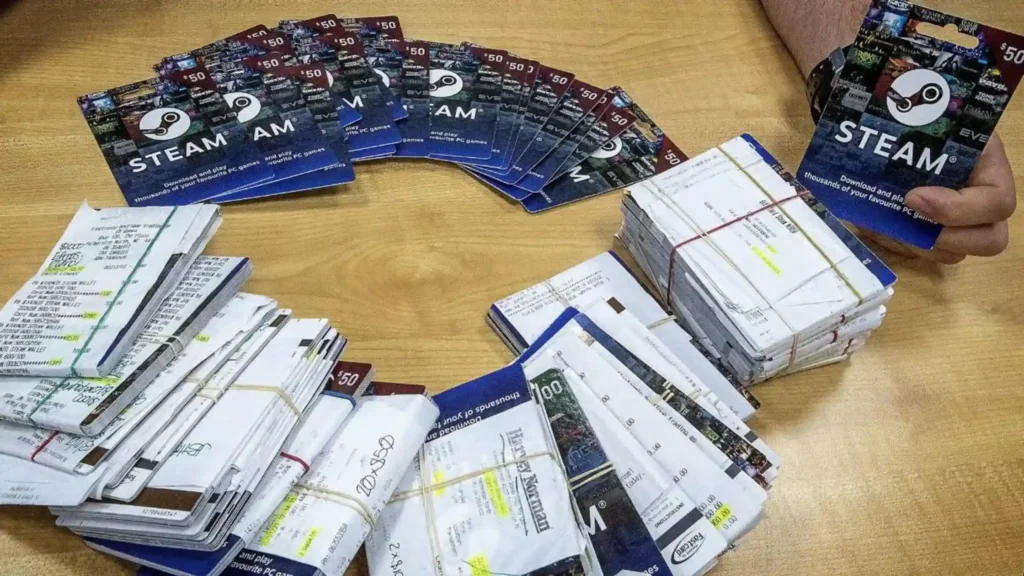
Stolen or fake Steam cards can be quickly sold on various online marketplaces or used to buy in-game items that are then sold for real money. This quick cash-out system makes them very attractive to scammers.
Fewer Legal Protections
Unlike traditional payment methods, Steam gift cards aren’t protected by the same consumer laws. If you get scammed, it’s often your loss, with little legal recourse or refunds.
Widespread Acceptance

Nearly every gamer on Steam uses gift cards, making them a universal currency in the gaming world. That wide acceptance increases their value and makes them a prime target for Steam cards scams.
Main Types of Steam Gift Card Scam
Now, we’ll break down the main types and real stories from gamers who got caught in these traps.
Fake Websites Selling Non-Existent Gift Cards
One of the oldest tricks in the book involves fake online stores that claim to sell $50 Steam gift cards at discounts. These sites look professional and may even have fake reviews. But once you pay, the card either never arrives or the code is invalid.
For example, you might see a site offering $100 PlayStation Store cards for just $65, with convincing graphics and glowing (but fake) testimonials. Yet after paying, you receive nothing and the seller stops responding. Similarly, some scam shops advertise discounted Amazon gift cards. They demand payment via crypto or PayPal Friends & Family to block chargebacks, then deliver a fake code or nothing at all.
Phishing Emails and Impersonation
Phishing attacks lure victims with convincing emails impersonating Steam or popular gaming services, asking for login details or gift card codes. Check Point Research highlighted a surge in brand phishing in 2023, with many attacks targeting gamers to steal credentials and payment info. These emails often link to fake login pages designed to harvest your data.
Social Media and Marketplace Scams

Scammers exploit platforms like Facebook and Instagram by running fake ads selling discounted Steam cards. Facebook’s 2022 Transparency Report reveals that tens of thousands of scam ads are removed yearly, many involving fake gift cards.
Fake Customer Support Scams
Scammers pretend to be Steam customer support, often contacting you through email, phone, or chat. They say your account is at risk and demand payment in Steam gift cards to fix the issue. Real support never asks for payment this way.
Prize-Winning and Investment Scams
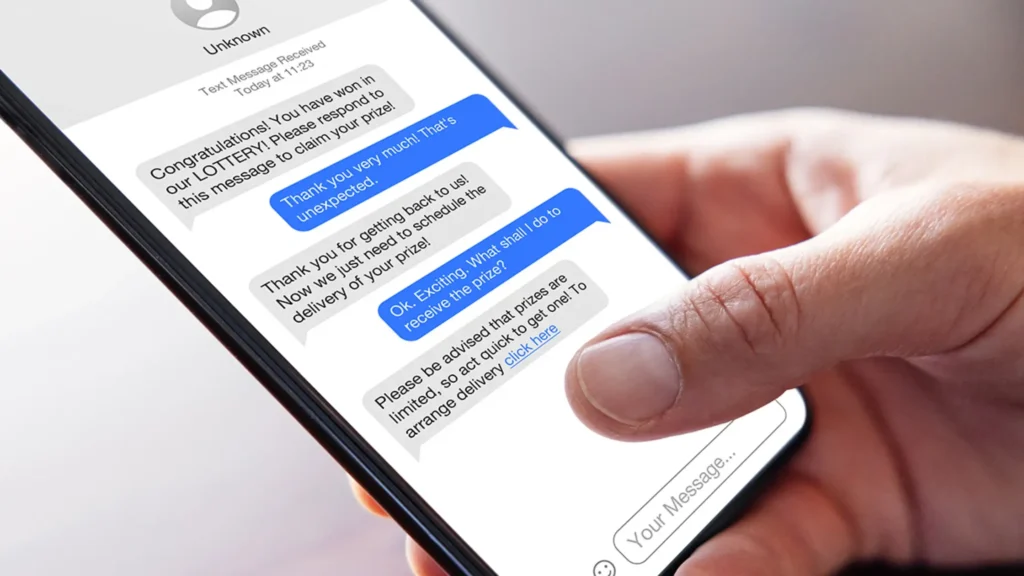
You get a message saying you’ve won a prize or found a great investment opportunity, but you have to pay fees with Steam cards first.
A scammer might message you on social media claiming you won a gaming laptop or $1,000 cash prize but to release the prize, you need to send them $100 in Steam cards as a processing fee. Others pitch crypto or trading schemes that ask for Steam gift card codes as an entry fee to get started.
Steam Card Exchange and Trade Scams
In the Steam community, users often trade digital game items or Steam gift card codes. Scammers trick victims by offering fake or already-used gift card codes in exchange. Sometimes, they even provide fake Steam card receipts to convince buyers that the cards are legitimate. After the trade, victims lose their gift cards but never receive the promised items. These types of Steam card scams generate a flood of complaints across Steam forums.
For instance, someone might offer you a rare in-game item in exchange for a $50 Steam card code. After you share your code, they disappear or block you. Others send fake screenshots pretending to show unused codes, tricking you into going first in the trade. Steam’s large and easily accessible community, with many new or inexperienced players, makes this type of gift card scam especially widespread.
In-Person and Phone Scams
Scammers sometimes call or meet victims, claiming to be from Steam or a related company. They pressure victims to buy and hand over Steam gift cards as payment for fake bills or services.
Fake Platforms for Selling Cards
Some scam platforms pose as legitimate online stores selling Steam cards but collect payments and never deliver codes.
Steam Wallet and PayPal Scams

Gift card scams are a significant problem, with losses totaling over $228 million in the past year, according to the Federal Trade Commission. Scammers may ask for payment via Steam Wallet codes or PayPal. They exploit the difficulty of reversing these payments.
Malware and Account Theft via Phishing Links
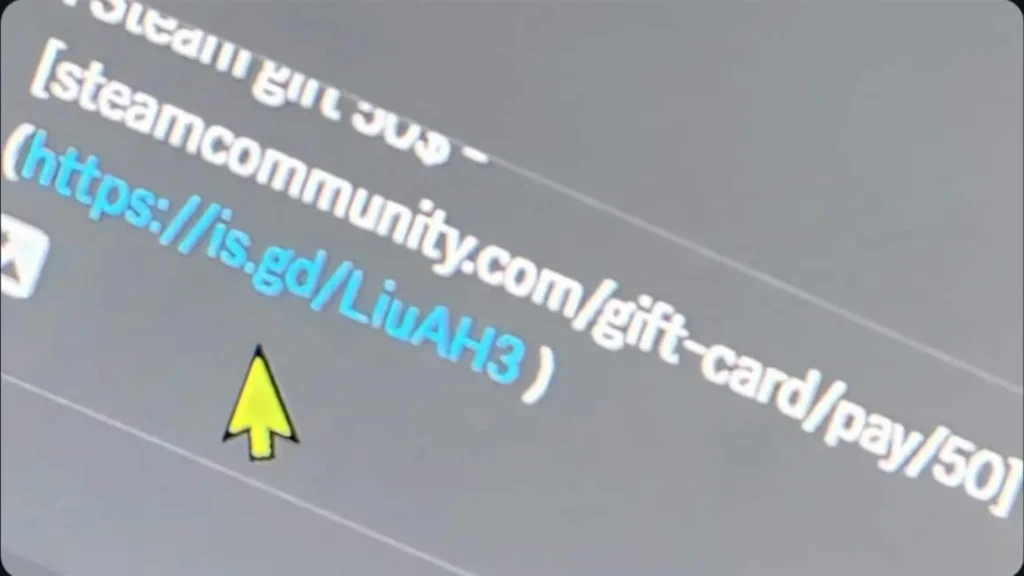
Some phishing attacks go even further by tricking users into downloading malware or clicking on fake Steam gift links. These counterfeit links often lead to fraudulent websites designed to look like official Steam pages, but are actually set up to steal your login credentials or gift card information. Clicking such links can result in your Steam account being hacked, unauthorized purchases draining your wallet, or malware infecting your computer.
Use a Trusted TurisVPN for Secure Transactions
When buying or redeeming Steam cards online, protecting your data with a trusted VPN is recommended. It’s an easy step that adds a powerful layer of security. It helps to:
- Encrypt your internet traffic. So hackers can’t intercept your data, payment info, or Steam login.
- Mask your location. Prevents location-based phishing attacks and scam redirects.
- Block known malicious domains. Many phishing links used in Steam cards scams are flagged and auto-blocked.
- Secure browsing on public Wi-Fi.
Among various VPN apps in the market, TurisVPN is the best free VPN choice.
- Go to Turisvpn.com and choose a plan that fits your needs.
- Download and install the app. TurisVPN works on Chrome Web Extension, iOS, and Android.
- Open the app and choose a secure server, preferably Singapore VPN.
- Now that you’re protected, visit Steam’s official site or trusted retailers (like Amazon, Best Buy, or GameStop) to buy gift cards securely!
What Can You Do If You Are a Victim of a Steam Card Scam?
Steam card scams can hit hard. There are steps you can take immediately to try and recover, or at least stop further loss.
1. Contact Steam Support Immediately
Log into your Steam account and report the scam. If the code hasn’t been redeemed, Steam may be able to cancel it. Visit the Steam Support site and submit a ticket as soon as possible.
2. Keep Your Receipts
Always save physical or digital receipts showing where and when the card was purchased. Steam, law enforcement, or retailers may request proof when investigating. Many users recover funds only because they had the original receipt showing the 16-digit code and store info.
3. If the Card Has Not Been Redeemed
Time is everything. If the scammer hasn’t redeemed the card yet, Steam or the retailer (like Walmart or Target) may be able to void it or block redemption. Some big box stores even have anti-fraud teams just for this.
4. Contact Your Payment Provider
If you paid with a credit card or PayPal, dispute the charge immediately. Depending on how the payment was made, you might be able to initiate a chargeback or open a fraud claim. Note: This won’t work if the card has already been redeemed.
5. Report to Authorities
Scammers often target many victims, your report can help track and stop them.
- In the U.S., file a report with the FTC and IC3.
- In the U.K., contact Action Fraud.
- Share your story on forums like Reddit’s r/Scams, you could save someone else.
Bottom Line
Steam cards scams are everywhere online, targeting both seasoned gamers and first-time buyers. Now that you know how they work, what red flags to watch for, and how to protect yourself, you’re already ahead of the curve.