






Overwatch is generally safe for teens, mainly because the violence is stylized and non-gory, and it carries a T for Teen (13+) rating. The bigger risk is the online environment. Some parents also worry about character designs, mature themes, spending pressure from cosmetics, and too much play time, so setting limits and using parental controls helps keep it safer.
Because Overwatch is an online game, it also raises common questions for both players and parents. Is Overwatch safe? To get the answer, keep reading because we will explain the real safety risks in Overwatch and how serious they are. We also show how to reduce those risks using in-game settings, parental controls, and smart play habits in our blog below.
Key Takeaways
|
Is Overwatch Safe to Play?
Yes, Overwatch is safe to play from a technical and software point of view. The game is developed and maintained by Blizzard Entertainment. This is a major game studio with long-term support and security systems in place.
The game first launched in 2016 and later returned as Overwatch 2. Players choose unique heroes and work together to win matches against other teams in real time.
You download it through Blizzard’s official Battle.net platform, which uses standard security protections. There are no known risks of viruses from installing or playing Overwatch or Overwatch 2.
To play the game, you need:
- A Battle.net account
- A stable internet connection
- Online access at all times
Overwatch is an online-only game. There is no offline mode outside of practice. Because Overwatch 2 is free-to-play, it attracts a very large number of players. This makes matches fast to find, but it also means player behavior can vary widely. To reduce abuse and cheating, Blizzard added extra safety systems:
In short, Overwatch itself is safe software. The primary risk does not stem from the game system, but rather from the behavior of some players online. How safe the experience feels depends largely on chat settings, moderation tools, and who you play with.
Is Overwatch Safe for Kids and Teens?
Overwatch can be safe for teen players, especially those aged 13 and up. For younger kids, the game is riskier and needs close supervision. It is not a good choice for very young or unsupervised players.
From a visual standpoint, Overwatch is fairly mild. The game uses colorful, futuristic graphics and a cartoon-like art style. There is no graphic gore or realistic injury. When characters are defeated, they fall over and disappear. Weapons are part of the game, but they do not look realistic compared to military shooters.
The real safety issue in Overwatch is not the violence. The main concern is online interaction.
Because Overwatch is an online-only game, kids are placed into matches with strangers. Voice chat and text chat are on by default in many modes. This can expose younger players to swearing, insults, or aggressive behavior, especially during competitive matches. Some players take the game very seriously and react badly to mistakes or losses.
Competitive pressure is another factor. Ranked modes can be stressful, and some kids may feel frustrated, anxious, or upset after losing games or being blamed by teammates.
There is also an important risk that exists outside the game itself. While Overwatch’s in-game content is generally age-appropriate, the wider Overwatch fandom is not. On social media and fan sites, there is a large amount of sexualized content and NSFW fan art. Characters like D.Va are often used in mature content that is not suitable for children.
Parents should understand that these risks do not come from the game alone. They come from the broader online community around it. If kids engage with Overwatch content beyond the game, supervision and guidance become even more important.
Overwatch works best for teens who can handle online interaction and competitive play. For younger kids, safety depends heavily on chat settings, playtime limits, and parental involvement.
Official age rating (ESRB & PEGI explained)
Overwatch has official age ratings in both North America and Europe. These ratings focus on the game’s content, not on how players behave online.
ESRB (US & Canada)
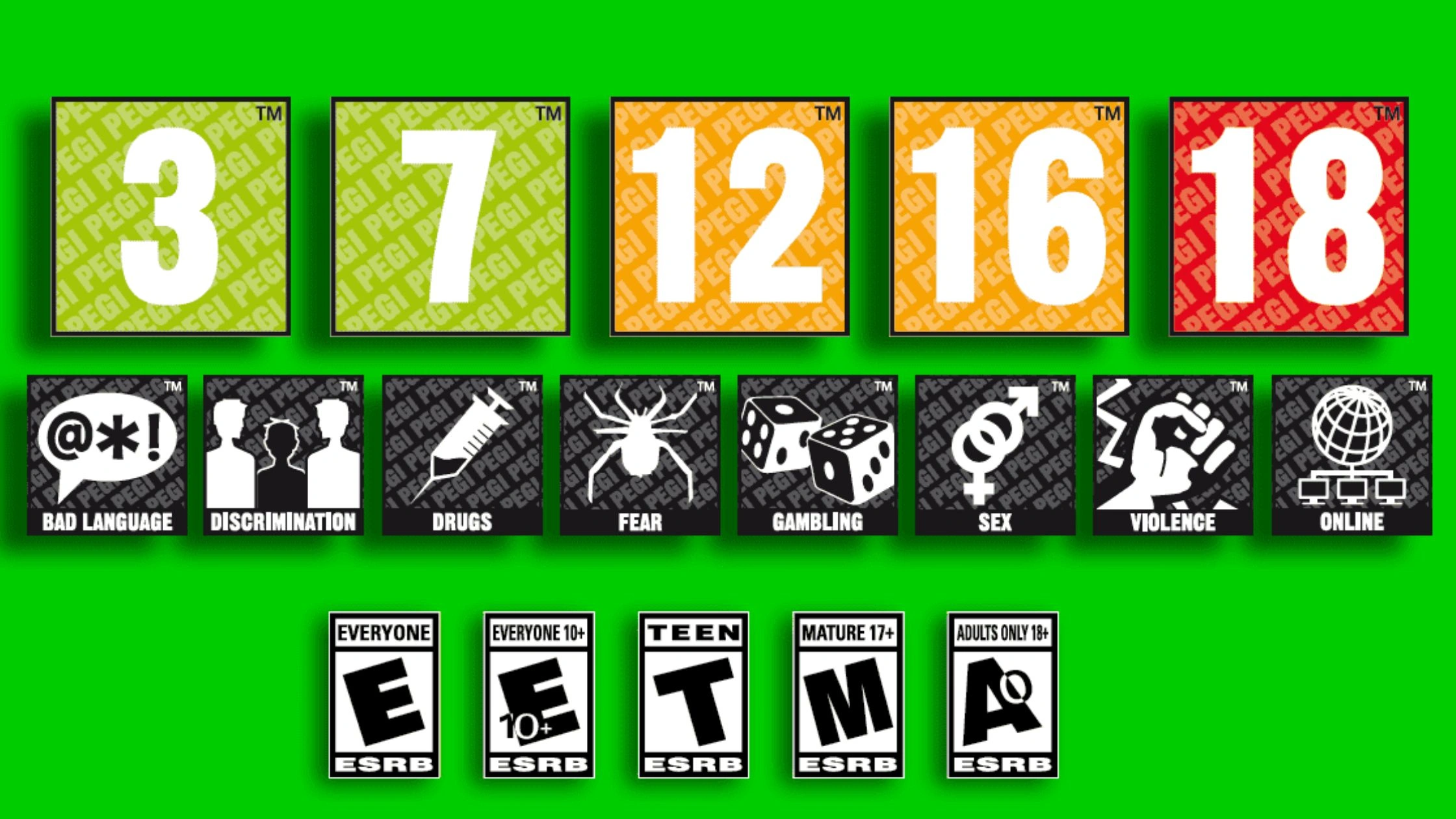
In the United States and Canada, Overwatch is rated T – Teen (13+) by the ESRB. This rating is based on several factors:
- Violence involving guns and explosions
- Mild language used by characters
- Minimal blood effects
- A tobacco reference, such as Cassidy’s cigar
The ESRB rating means the game is designed for teenagers, not young children. It does not mean the game is dangerous, but it does suggest that some content may not be suitable for kids under 13.
PEGI (Europe)
In Europe, Overwatch carries a PEGI 12 rating. This rating allows players aged 12 and older to play. PEGI notes that the violence in Overwatch is non-realistic and stylized. Characters do not show injury details, and there is no graphic gore.
Both ratings agree on one key point: Overwatch uses action and combat, but it avoids realistic or disturbing visuals.
Age ratings do not cover online interactions. They do not assess voice chat, text chat, or how players talk to each other during matches. Toxic behavior, harassment, and social pressure are not part of the rating system.
This is why settings, supervision, and communication controls matter more than the rating alone when it comes to safety.
Voice chat & text chat – what risks exist?
Communication is a big part of Overwatch. Voice chat and text chat help teams coordinate, but they also introduce most of the game’s safety risks. These risks affect kids and teens more than adults, especially during competitive play.
1. Security & Privacy Risks
Overwatch uses voice chat that is recorded and transcribed by Blizzard. This system helps detect toxic behavior and supports moderation. It makes the game safer overall, but it also means conversations are not private.
Players should assume that anything said in voice chat can be reviewed if a report is filed. There is also a risk of social engineering, especially for younger players. Some users may ask questions that seem harmless at first, such as:
- How old you are
- What social media you use
- Your real name or Battle.net RealID
Sharing personal information can lead to unwanted contact outside the game. Kids may not always recognize when a conversation crosses a line.
In rare cases, IP exposure can happen during competitive play. This mostly affects high-ranked players or streamers, not casual users. While uncommon, it can lead to harassment or connection attacks if someone is targeted.
2. Psychological & Emotional Risks
In ranked matches, some players blame teammates for losses. This is often called “flaming.” The pressure to win can cause players to swear, shout, or insult others. Competitive frustration tends to make language harsher. Younger players may take these comments personally, even if they come from strangers.
The game also uses a Battle Pass system, which can create FOMO, or fear of missing out. Limited-time rewards and Mythic skins encourage players to log in daily and play often. Some kids feel pressure to grind levels or spend money just to keep up with friends or trends. Over time, this can lead to stress, anger and even burnout.
Kids and teens are more vulnerable to these effects, especially if they already struggle with emotional regulation.
3. Interpersonal & Technical Challenges
Overwatch ties progress to a rank system, especially in Competitive mode. For many players, rank becomes part of their identity. Losing matches can feel personal, not just disappointing. This pressure can damage confidence and make teamwork harder, especially for younger or less experienced players.
Technical issues also cause conflict. Lag, bugs, or disconnects often lead to accusations from teammates. In rare cases, high-ranked players may be targeted with DDoS attacks to force them offline. While this is uncommon, it shows how competitive environments can escalate bad behavior.
How to make Overwatch safer using in-game settings
Overwatch includes many built-in tools that help reduce risk. When these settings are used correctly, the game becomes much safer for kids and teens. Most problems come from communication and spending, not from gameplay itself.
1. Communication Controls
Communication is the biggest risk area, so this should be the first thing to adjust. Players can turn off:
- Voice chat
- Match text chat
For younger players, it is safer to set communication to Group Only. This allows talking only with friends, not strangers in random matches.
Overwatch also includes auto-mute, which blocks players who are reported or flagged for bad behavior. Since 2025, Blizzard has added Real-Time Message Hiding, which automatically hides harmful or abusive messages before players even see them.
2. Content Filtering
Overwatch has a built-in profanity filter with three levels:
- Friendly: recommended for kids
- Mature
- Unfiltered
When set to Friendly, the game automatically hides strong language in text chat. This helps protect younger players from swearing and offensive terms, even if chat is left on.
3. Social Management
Players do not need to interact with everyone they meet in a match. The “Avoid as Teammate” feature lets players block a specific person from being matched with them again for several days. This is useful after toxic or unpleasant games. Players can also:
- Hide their career profile so strangers cannot judge or harass them based on stats
- Limit or ignore friend requests
For kids and teens, it is best to stick to:
- Friends they know
- Private groups or parties
4. Parental Controls & Account Safety
Blizzard offers strong parental tools through the Battle.net Parental Portal. Parents can:
- Set daily or weekly playtime limits
- Receive weekly activity reports
- Restrict or disable in-game purchases
If spending is a concern, purchases can be fully turned off. Account security also matters. Always enable two-factor authentication (2FA) using the Battle.net Authenticator app. This helps prevent account theft. Use strong, unique passwords and never share account details with others.
Blizzard’s moderation and reporting system
Blizzard actively moderates Overwatch and takes player behavior seriously. The company uses a mix of player reports, automated systems, and human review to keep matches fair and reduce toxicity.
alt: Blizzard’s moderation and reporting system
Report & block
Players can report others directly in-game. Reporting is simple and only takes a few clicks. The main report categories include:
- Abusive chat
- Griefing, such as intentionally losing or sabotaging matches
- Cheating
Reports are now processed faster thanks to AI-assisted voice transcription and text analysis. This helps Blizzard review cases more efficiently and identify repeated bad behavior.
Blocking a player is another important tool. When you block someone, they can no longer contact you through chat. This prevents further interaction and helps players move on from negative encounters.
Penalty system
Blizzard uses a clear escalation system for rule violations. Penalties increase if a player continues to break the rules. The typical path looks like this:
- Warning
- Silence, where the player cannot use voice or text chat
- Suspension, which prevents play for days or weeks
- Permanent ban for severe or repeated offenses
This system discourages repeat abuse and removes the worst offenders from the game.
Overwatch also uses an Endorsement System. Players who behave positively and support their teammates earn higher endorsement levels. These players receive small rewards and are more likely to be matched with others who show similar behavior.
Together, reporting, penalties, and endorsements help create a safer and more respectful environment, especially for younger players.
Using TurisVPN to Improve Online Safety While Playing Overwatch
TurisVPN can add an extra layer of online safety while playing Overwatch. It does not change gameplay and does not affect Blizzard’s rules. Its role is to protect your network connection and personal IP address. Using TurisVPN while playing Overwatch can help with:
- IP protection: Your real IP address is hidden. This lowers the risk of IP-based harassment or targeting.
- Safer connections on public or shared Wi-Fi: Useful for students, shared homes, or public networks where traffic is easier to monitor.
- No activity tracking: TurisVPN follows a no-logs policy, so browsing and connection data are not stored.
- Stable performance: Uses the WireGuard protocol, which is designed for speed and low latency.
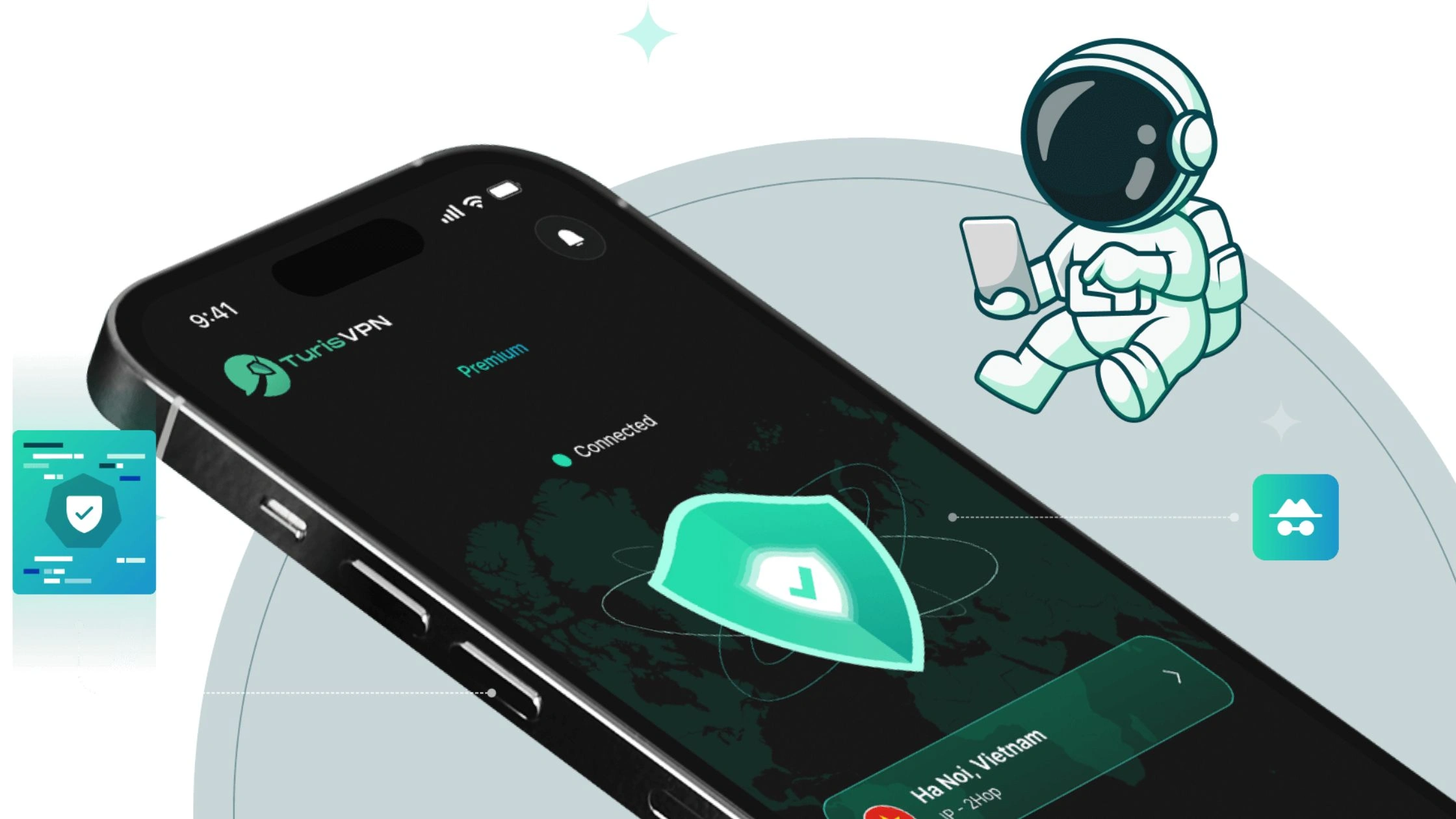
How to use TurisVPN while playing Overwatch
- Step 1: Download and install TurisVPN on your device
- Step 2: Open the app and connect to a server
- Step 3: Launch Battle.net and start Overwatch
Bottom Line
Overwatch is safe to play from a technical point of view. The game does not contain malware, illegal content, or hidden security threats. Blizzard actively maintains the game and enforces rules against cheating and abuse.
The real risks in Overwatch come from online interaction, not from the gameplay itself. Voice chat, text chat, and competitive pressure can affect kids and teens if these features are left unmanaged. Spending pressure from Battle Passes and limited-time cosmetics is another factor parents should watch.
With the right settings, clear boundaries, and optional privacy tools like a VPN, Overwatch can be enjoyed responsibly. The key is understanding the risks and managing them, not avoiding the game entirely.
FAQs
Q1. Is Overwatch ok for 12 year olds?
It depends. Overwatch is rated PEGI 12 and ESRB Teen (13+). A 12-year-old can play safely only if voice chat is limited, text chat is filtered, and playtime is supervised. Without these controls, the online interaction may be too much for some kids.
Q2. Why is Overwatch so badly rated?
Most negative ratings are about player behavior, not the game itself. Players often complain about toxic chat, competitive frustration, and matchmaking issues. These reviews reflect social problems, not safety or security risks.
Q3. Does Elon Musk like Overwatch?
There is no confirmed public statement from Elon Musk about Overwatch. Celebrity opinions are not a reliable way to judge whether a game is safe or suitable
Q4. Does “bad rating” mean the game is unsafe?
No, a bad rating does not mean the game is unsafe. It usually reflects player frustration or balance issues. Safety depends on settings, moderation, and supervision, not on user reviews alone.