






Getting banned on Hinge used to feel sudden. You would lose access, and you often wouldn’t know what triggered it. Hinge bans are no longer always silent and final, and the app is moving away from pure shadowbanning. Hinge now uses a more structured Graduated Enforcement system.
We will show what actually works if you want to get your account back. We will also explain how to use the Correction window, when an appeal has a real chance, and when it’s better to stop.
Key Takeaways
|
Is It Possible to Get Unbanned From Hinge?
Yes, more than before, but not for everyone. Since September 2025, Hinge has changed how it handles bans. Many cases that would have ended in a permanent ban in the past are now handled through a Correction stage instead. This gives some users a chance to fix the problem rather than losing the account forever.
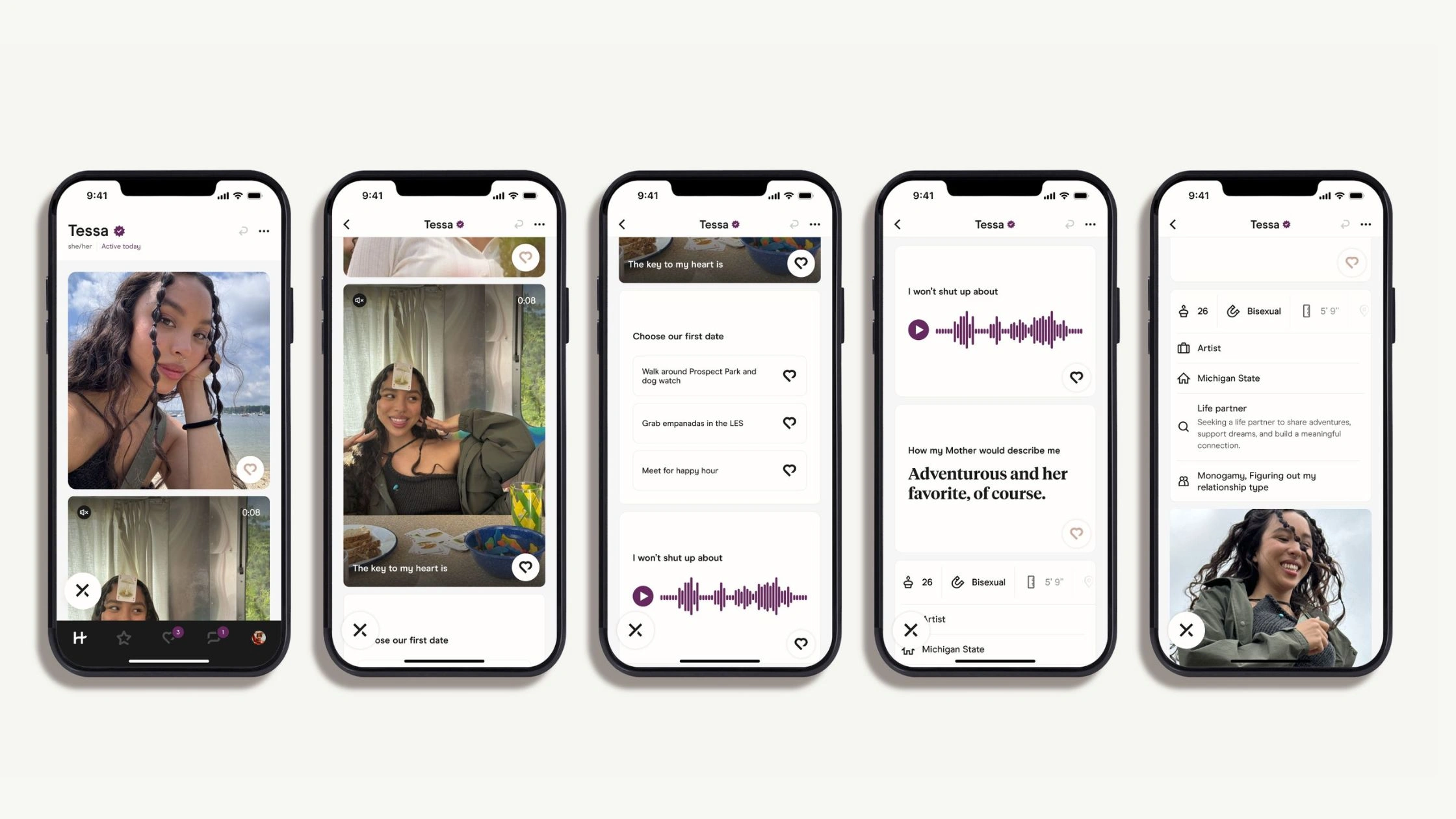
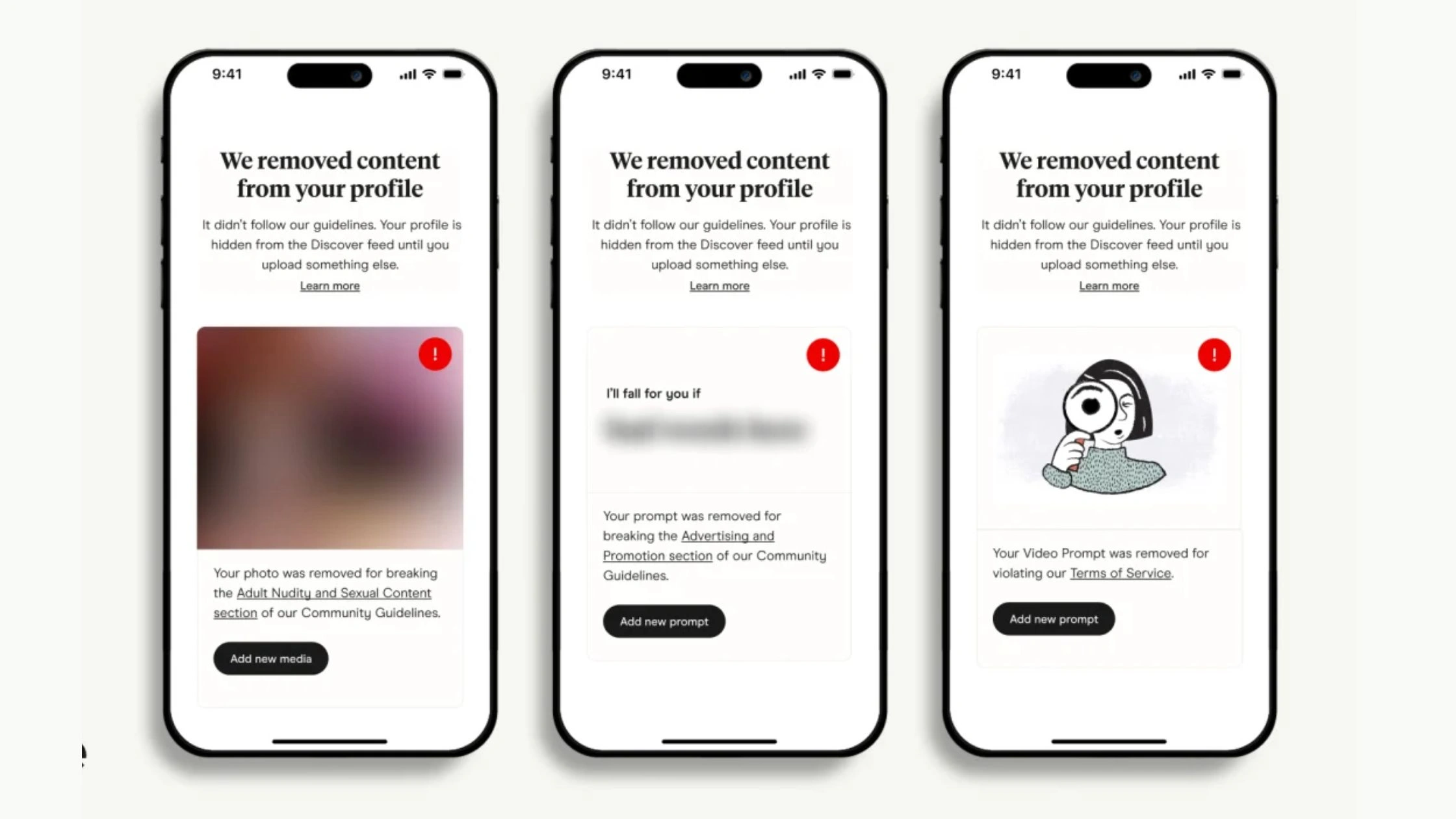
Under the new system, certain issues are considered correctable. This usually means Hinge wants you to remove or change specific content instead of locking your account. Common examples include:
- A photo that looks too suggestive or inappropriate
- A joke in a prompt that was misread or reported
- An Instagram or social handle added to your bio
In these cases, users may regain access after deleting the flagged content and completing the required checks. However, permanent bans still exist. Hinge is unlikely to reverse bans related to:
- Harassment or threatening behavior
- Sexual exploitation or explicit content
- Impersonation or fake profiles
- Repeated abuse after previous warnings
Success depends heavily on how you respond. For first-time offenders who cooperate, official appeals now succeed roughly 25–30% of the time. If the ban involves serious safety violations, an unban is unlikely. But if it’s a content or context issue, 2026 offers more second chances than before.
Why Did I Get Banned From Hinge?
Hinge usually does not tell you the exact reason for a ban. This is intentional. The app avoids sharing details to protect users who report others and to prevent people from gaming the system. That said, most bans fall into a few clear categories.
Understanding these helps you judge whether an appeal has a real chance.
User Reports
In 2026, Hinge no longer looks at reports in isolation. Its system aggregates reports across conversations. This means several small complaints can add up over time, even if no single message seems serious on its own.
In some regions, reports for things like “Low effort” behavior or “Repeated ghosting” can trigger a review if they appear as a pattern.
Reports do not require proof. Once enough reports are logged, the system may act first and review context later. In many cases, context is ignored once an account is flagged.
Prohibited Content
Hinge now uses advanced image recognition to scan profile photos. In 2026, photos are often flagged automatically for:
- Excessive skin exposure
- Locker-room or mirror gym selfies
- Sexualized poses
Content that used to sit in a gray area is now considered high risk. Even if you delete a photo later, it may already be logged by the system. This is one of the most common reasons users are pushed into the Correction or Restriction stage.
Deception and Fakes
Hinge is part of Match Group, which uses a shared safety database across its platforms. This system can detect:
- AI-generated photos
- Images listed in known catfish databases
- Photos reused across multiple accounts
Lying about basic details also increases ban risk. This includes:
- Age
- Identity
- Relationship intent
Even small inconsistencies can trigger deeper checks once an account is flagged.
Spam and Solicitation
Hinge has tightened spam rules in 2026. Adding any of the following to your bio now often triggers an automatic shadow suspension:
- Instagram handle
- CashApp or payment tags
- Crypto links
Sending the same message to many matches is also risky. Copy-paste messages are easy for the system to detect. Even “soft promotion,” like casually pushing social media or side projects, still counts as spam.
Cross-Platform Bans
This is one of the most misunderstood reasons for Hinge bans. Hinge is owned by Match Group, and safety data is shared across:
- Tinder
- OkCupid
- Plenty of Fish
If you were banned on another Match Group app for a serious safety issue, that ban can follow you to Hinge. Phone numbers and biometric data are the strongest links between accounts, not just email addresses.
Account Manipulation
Certain behaviors are considered high risk in 2026 and are often flagged automatically. These include:
- GPS spoofing without using Hinge’s official Premium tools
- Rapid uninstalling and reinstalling the app
- Creating multiple account
- Using automation or scripts
- Repeatedly resetting profiles to “boost” visibility
These patterns trigger Behavioral AI systems designed to detect non-human or abusive usage.
Technical Errors
Technical bans are rare, but they do happen. Examples include:
- Identity checks failing during phone operating system updates
- Liveness scan glitches
- Devices incorrectly marked as “unauthorized”
These cases are important because they are the best candidates for appeal. If you believe a technical error caused your ban, you have a much higher chance of success than with content or behavior violations.
How to Get Unbanned from Hinge ( Step-by -step)
This is the part that matters most. If your ban is reversible, following the right steps, in the right order makes a real difference. Skipping steps or reacting emotionally often hurts your chances.
Step 1: Access the Appeal Form
Do not start by emailing generic Hinge support. That usually leads to automated replies and delays. The appeal process begins inside the app.
When you open Hinge after a ban or restriction, you should see an “Account Restricted” or similar notice.
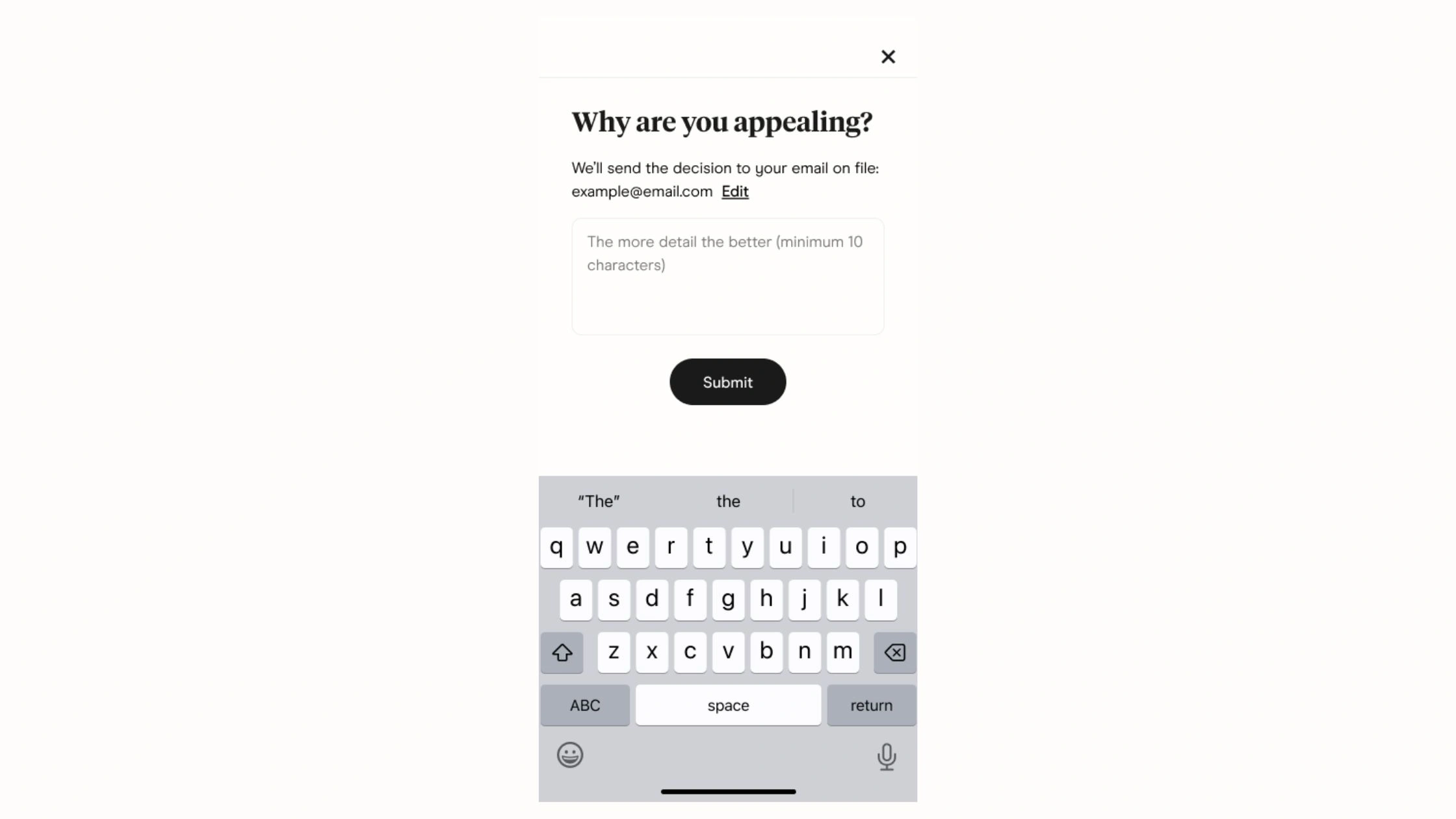
On that screen, tap “Submit” This route connects your case directly to Hinge’s enforcement review system and gives it priority over outside emails.
If you do not see this option, your account may already be in a permanent enforcement state.
Step 2: Prepare Your Case
How you explain yourself matters more than what you say. What works best in 2026:
- A calm, respectful tone
- A short and clear explanation
- A “mistake of context” approach
This means acknowledging that something you posted or said may have been misunderstood or crossed a line, even if that wasn’t your intent. Show that you’ve reviewed the current guidelines and are willing to remove or change the flagged content. What usually fails:
- Anger or frustration
- Accusing Hinge or other users
- Long emotional stories or arguments
The goal is not to prove someone else wrong. The goal is to show cooperation and awareness.
Step 3: Identity Verification
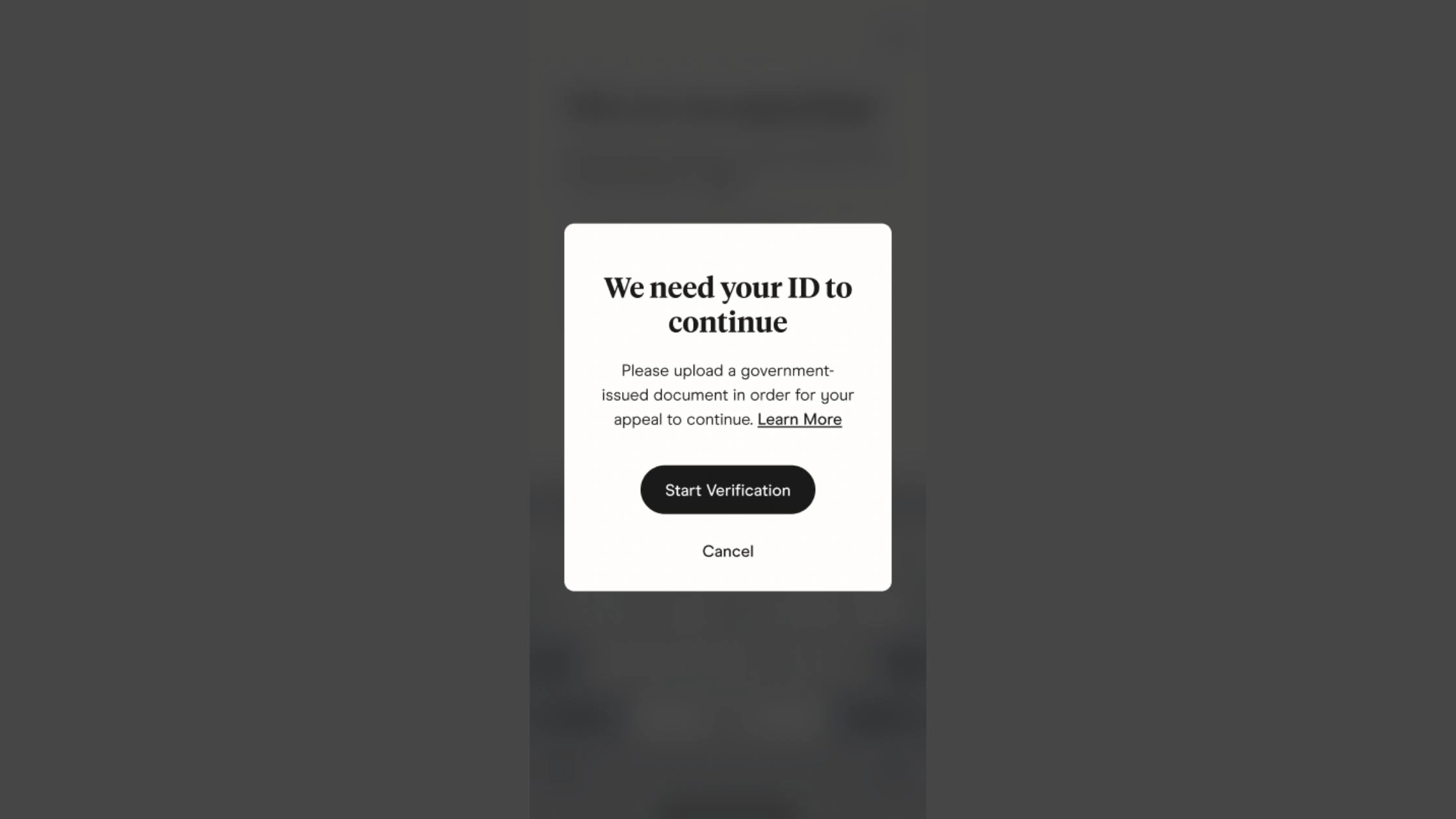
Most appeals in 2026 include an identity check. Hinge may ask you to complete:
- A liveness check, using a 3D face scan
- A government ID upload
These steps are used to confirm that you are a real person and not attempting to bypass a previous ban. Refusing or skipping verification usually ends the appeal immediately. Completing verification improves your credibility in the review process.
Step 4: Submit and Wait
After submitting your appeal and verification, the review process begins. Current expectations:
- Average response time: 3–7 business days
- Appeals are reviewed in an AI-managed queue
- Sending multiple follow-up messages lowers your priority
In many cases, you will receive a brief response. If you hear nothing after several days, that often means the appeal was denied. Silence is common and usually final.
Step 5: Escalate if Necessary
Escalation should only be used if you are confident the ban was a mistake.
In the United States, some users choose to file a complaint through the Better Business Bureau (BBB) against Match Group. This can sometimes trigger a manual human review, especially in technical or verification-related cases.
There is no guarantee of success. Escalation should be a last resort, not a default step.
What to Do If Your Hinge Appeal Is Rejected
If your appeal is denied, it’s important to stay realistic. Not every ban can be reversed, even under the 2026 system. At this point, your goal should be to understand your remaining options and choose the least risky path forward.
1. Secondary Escalation (External)
External escalation is about process and transparency, not guaranteed reinstatement. Your options depend on where you live:
- EU / UK: You can submit a request under GDPR or local data protection laws. This allows you to ask for a manual review of automated decisions and request access to the data used in enforcement. It may lead to a clearer explanation, but it does not guarantee your account will be restored.
- United States: Match Group offers a Dispute Resolution process outlined in its terms. This is the final formal step and is mainly used for serious disputes or clear errors.
These routes work best when a ban was caused by a technical mistake or identity verification issue. They are much less effective for content or behavior violations.
2. The “Hard Reset” (New Account)
This option needs to be explained carefully. Creating a new Hinge account after a ban violates Hinge’s Terms of Service. Many users attempt it anyway, but the risk of being banned again is high if it’s done incorrectly. A true “hard reset” requires:
- A new device, since Hinge tracks Device ID
- A new phone number, and it must not be a VoIP number
- New photos, because Hinge uses photo hashing (dHash) to detect reused images
Old photos must be replaced or heavily altered. Simple edits are often not enough. Even then, linking the same Apple ID or Google account can still connect you to the banned profile. This path is risky and should only be considered if you fully understand the consequences.
3. Move to Other Platforms
Sometimes, the healthiest option is to stop pushing against a closed door. If your biometric data or phone number is permanently blacklisted, other Match Group apps may also block you. This includes Tinder and OkCupid.
In those cases, switching to non–Match Group platforms offers a cleaner start. Apps with independent moderation systems do not share the same safety databases and may provide a better long-term experience.
Top 3 Hinge Alternative You Can Try
If Hinge doesn’t work out, switching platforms is often the smartest move. Below are three solid alternatives, with a clear breakdown of what each one does well, where it falls short, and how pricing works.
Tinder
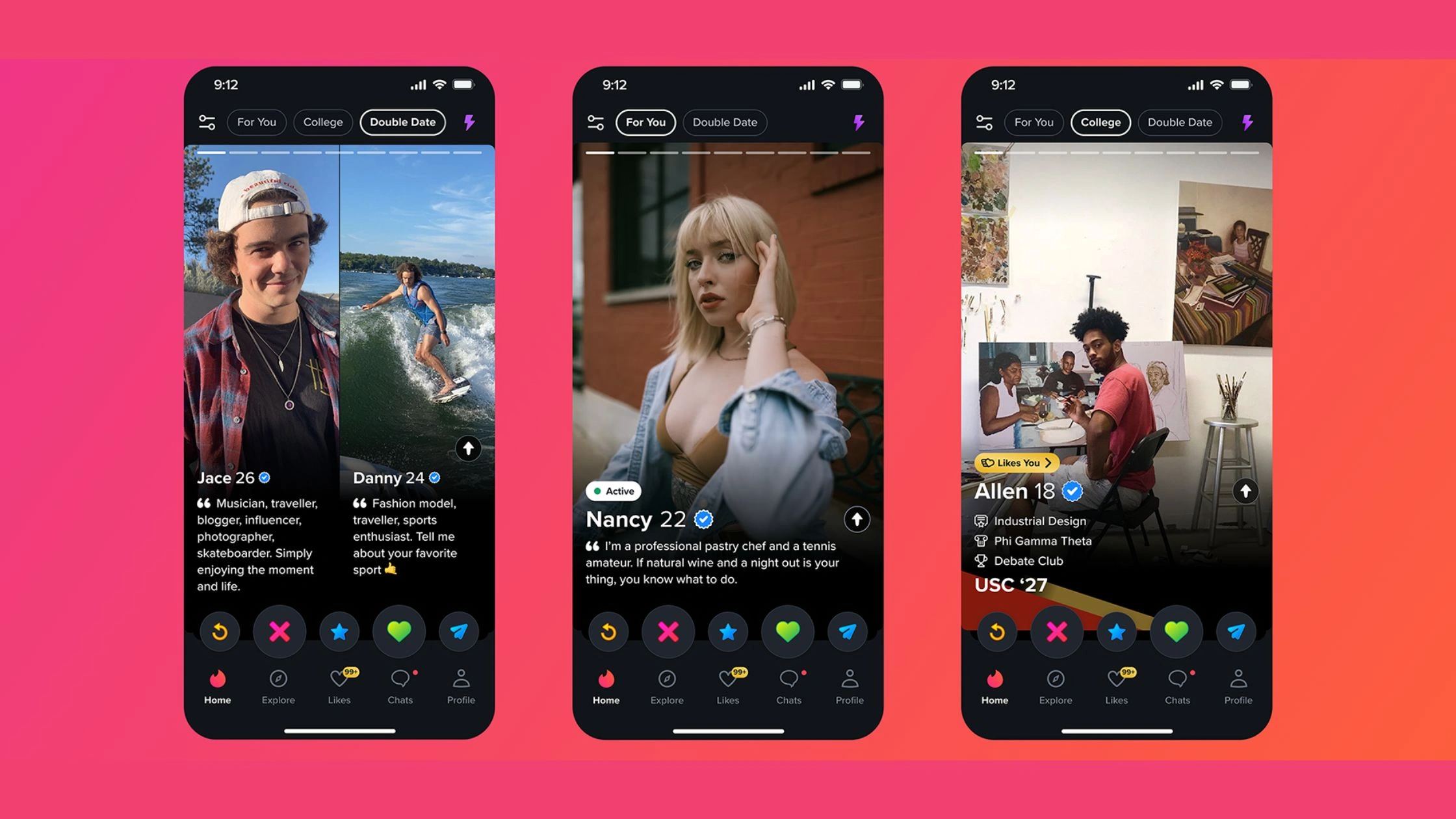
Tinder is the largest dating app in the world. The app focuses on fast swiping and quick matches. This dating app works well if you want volume and speed rather than long profiles.
Pros
- Very large user base
- Easy to use
- Fast matches
- Works well in most countries
Cons
- More casual than Hinge
- High competition
- Moderation can still be strict
- Shares safety systems with Hinge (Match Group)
Price plan
- Free version available
- Tinder Plus / Gold / Platinum: $8-$30/month
OkCupid
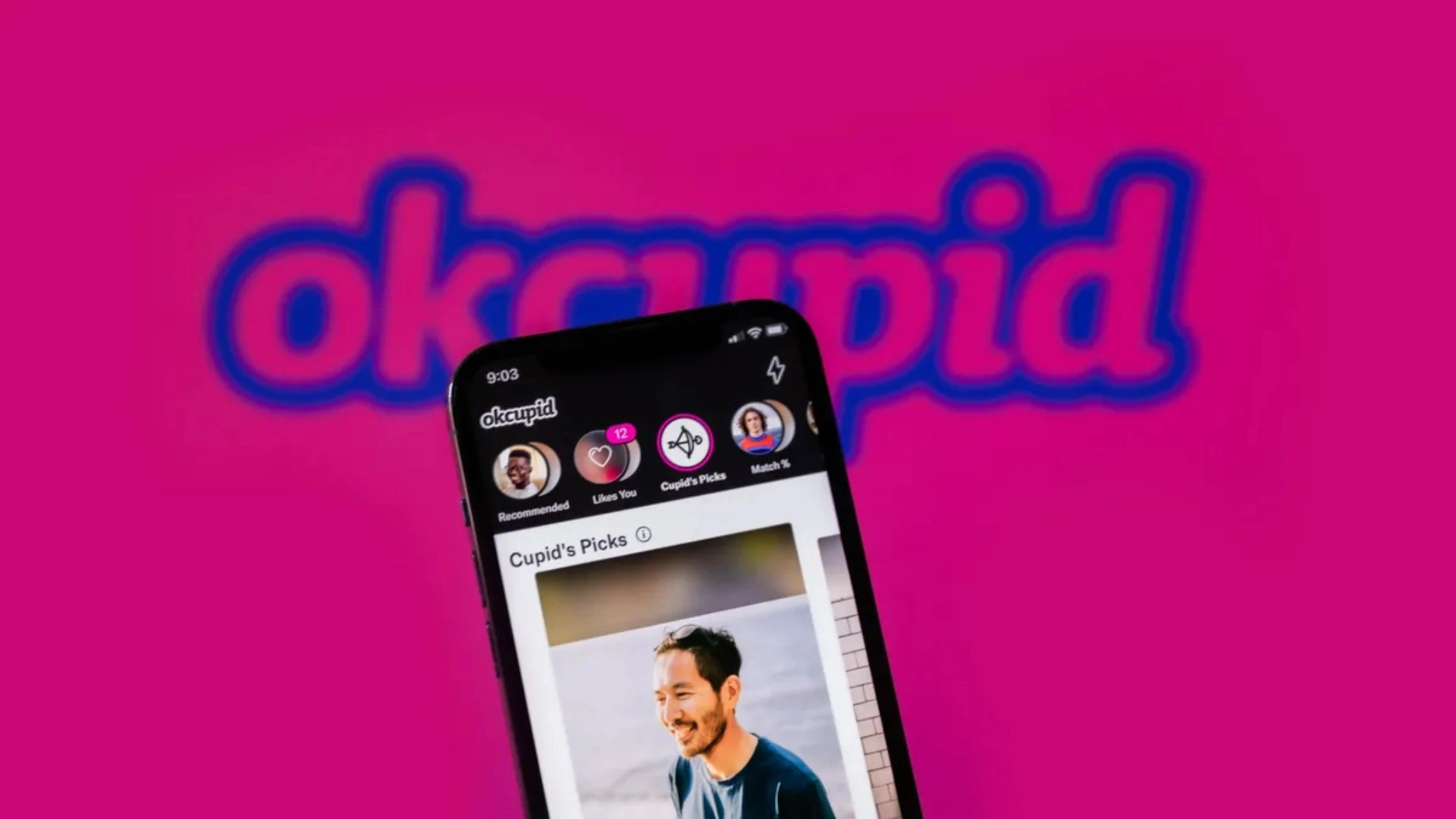
OkCupid focuses on detailed profiles and compatibility questions. The app is better suited for people who like longer conversations and clear preferences.
Pros
- In-depth profiles
- Strong matching based on answers
- Good for serious dating
- Less swipe pressure
Cons
- Smaller user base than Tinder
- Slower match pace
- Still owned by Match Group
- Interface feels busy to some users
Price plan
- Free version available
- Subscription plan: ~$10 – $50/month
Bumble
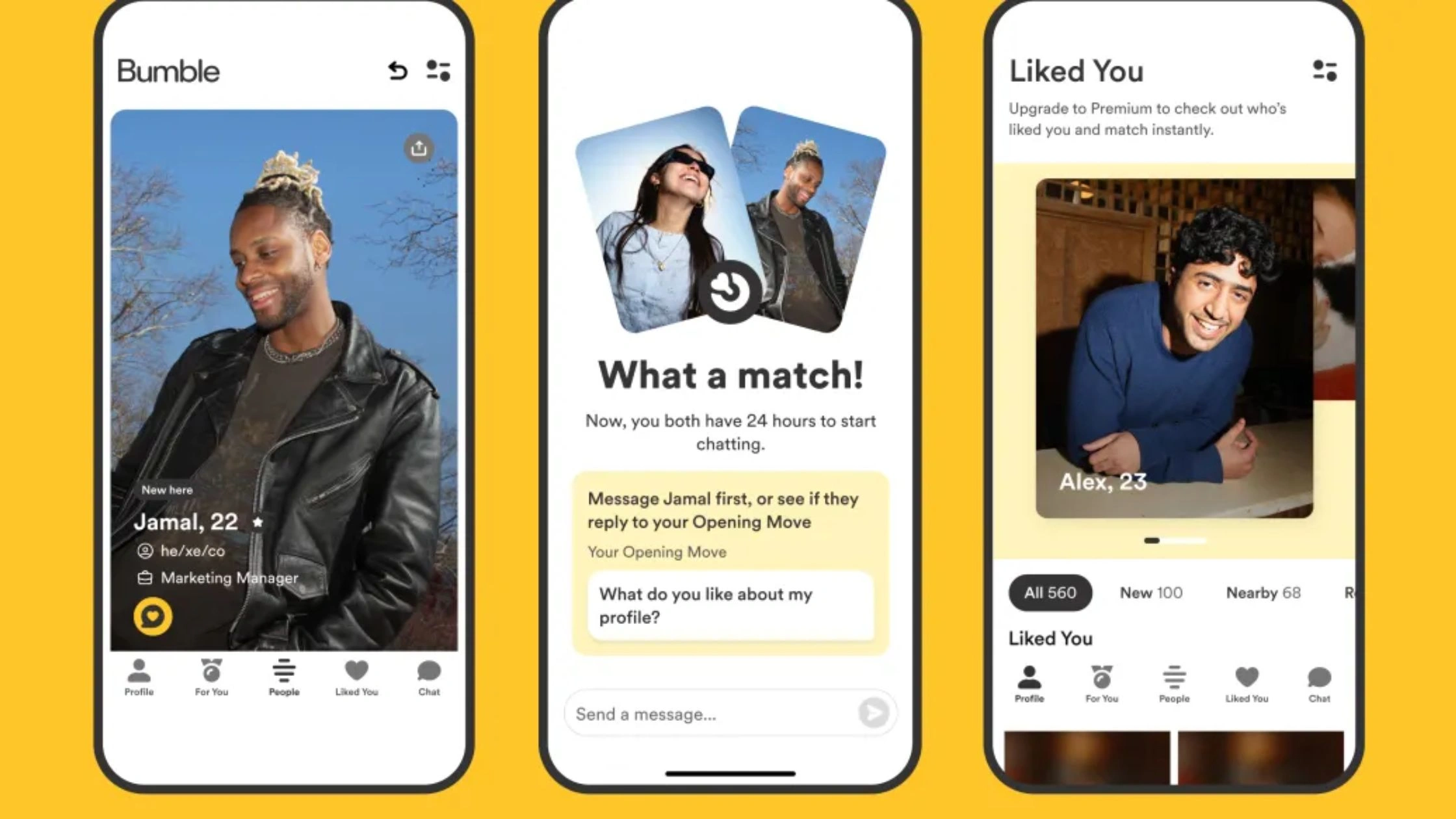
Bumble is best known for its rule that women message first in heterosexual matches. The dating app has independent moderation and a more controlled social tone.
Pros
- Not owned by Match Group
- Strong moderation system
- Lower harassment reports
- Clear rules and structure
Cons
- Matches expire if no message is sent
- Smaller pool in some regions
- Can feel restrictive for some users
Price plan
- Free version available
- Subscription plan: $40-$50/month
Why Privacy Matters when Using Dating Apps
Dating apps collect far more data than most users realize. This data is not only used for matching, but also for moderation, safety checks, and enforcement decisions. Modern dating apps can track:
- Precise location history, including repeated locations and movement patterns
- Chat tone and behavior, often called “vibe” analysis, to detect harassment, spam, or manipulation
- Device health and usage patterns, such as reinstall frequency, login behavior, and session timing
Enforcement systems rely heavily on pattern matching. This means the app looks for behaviors that resemble spam, bots, or previously banned accounts. Sometimes, these systems flag users who did not intend to break any rules. Privacy is not about hiding bad behavior or breaking the rules. It is about:
- Reducing false positives, where normal users are mistakenly flagged
- Protecting personal data, especially on public or shared networks
- Limiting how easily your activity can be linked across devices and sessions
Using dating apps responsibly means understanding how much data is collected and how it is used. Better privacy habits help you stay visible, legitimate, and less likely to be caught by automated enforcement systems.
How TurisVPN helps protect your IP and online privacy
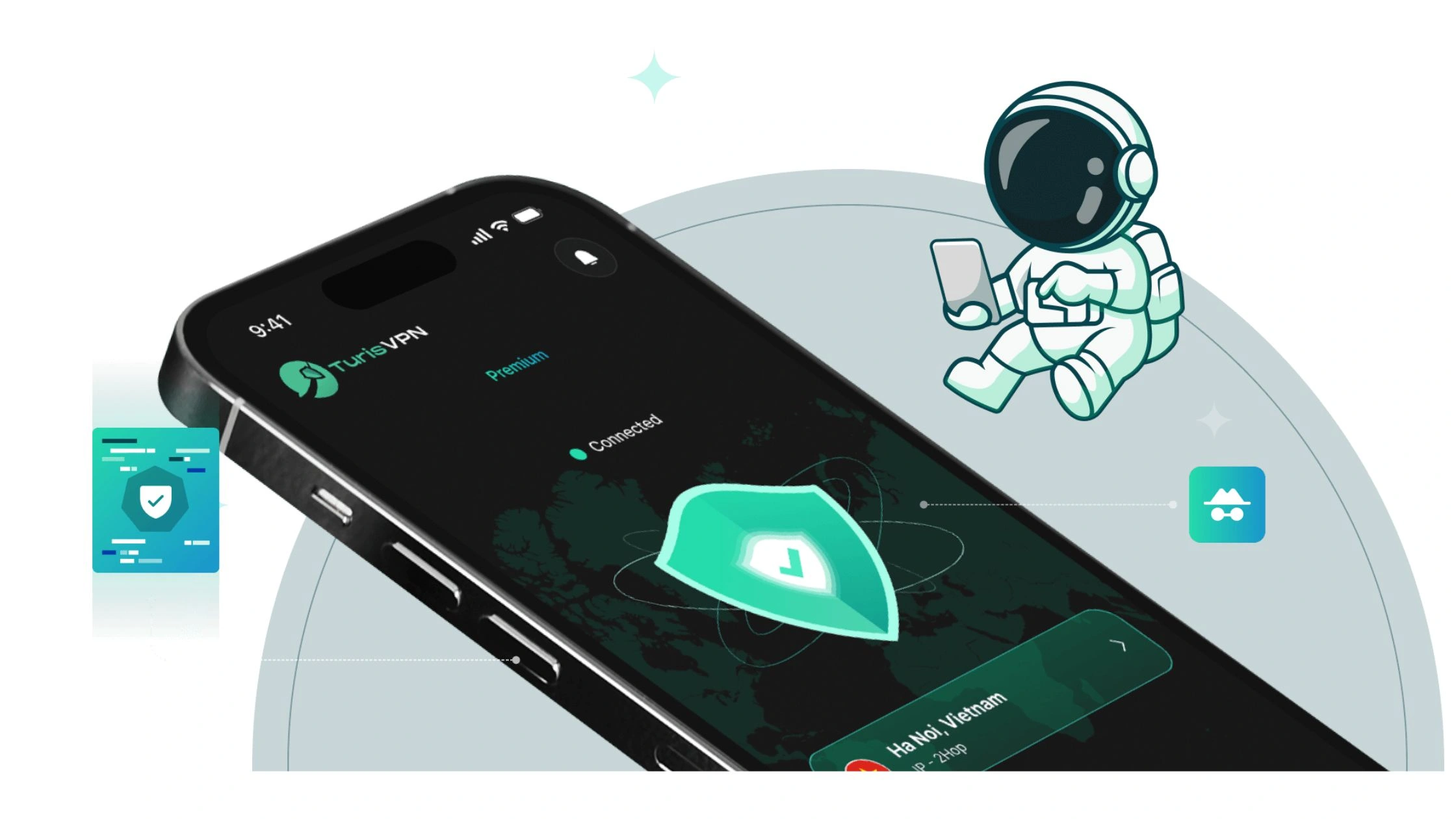
TurisVPN adds a practical privacy layer when using dating apps. It does not change app rules and does not guarantee account recovery. Its role is to protect your network identity and reduce unnecessary data exposure.
- IP masking: TurisVPN hides your real IP address, so your network location is not directly exposed.
- No-logs policy: TurisVPN does not store browsing activity or connection history.
- Unlimited data (free plan): No usage caps. No forced disconnects while browsing or chatting.
- WireGuard protocol: Modern encryption with fast, stable performance.
- Free VPN for Multi-device support: Works on iOS, Android, and Chrome extension with one account.
How to use TurisVPN (quick steps)
- Step 1: Download and install TurisVPN on your device
- Step 2: Open the app and connect to a server
- Step 3: Open your dating app and use it as normal
Used correctly, TurisVPN helps protect your IP and personal data while you focus on following platform rules and keeping a clean account history.
How to Avoid Getting Banned From Hinge Again
Getting back on Hinge is only part of the problem. Staying unbanned is just as important. In 2026, Hinge’s systems are more sensitive to patterns and behavior, so small habits matter.
alt: Avoid Getting Banned From Hinge
1. Follow Updated Community Guidelines (2026 Standards)
Hinge’s rules are stricter than they were a few years ago. So, you should avoid:
- “Alpha” or “beta” dating language
- Aggressive or sexual jokes early in conversations
- Promoting side hustles, businesses, or crypto
- Using unofficial location tricks instead of Hinge’s Premium features
If something feels like it could be misunderstood, it usually will be.
2. Leverage the New “Transparency” System
Hinge now gives early signals before serious enforcement. If you see prompts like “Did this bother you?” After a chat, take it seriously. It means the system detected possible friction. After receiving one of these signals:
- Slow down your messaging
- Be extra polite and neutral
- Avoid sarcasm or teasing
Positive interactions help stabilize your account’s internal safety score.
3. Avoid “Bot-Like” Patterns
Behavioral AI looks for usage patterns that don’t feel human. Therefore you should stay away from:
- Sending the same opening line to many matches
- Rapid swiping sessions
- Messaging many people within minutes
- Reinstalling the app repeatedly
Space out your actions and keep messages natural and varied.
4. Technical Precautions for New Accounts
If you are using a new or recovered account:
- Stick to one account only
- Do not link old Instagram or Spotify accounts from a banned profile
- Verify photos early
- Keep login behavior stable
Consistency helps your account look legitimate and reduces automated flags.
Bottom Line
Getting banned from Hinge is no longer always the end of the road. The platform now uses a Graduated Enforcement system, which means many users get a chance to correct mistakes instead of being permanently locked out.
If your ban was caused by a photo, a prompt, or a misunderstanding, the official appeal process is your best option. Staying calm, cooperating with verification, and showing awareness of the rules gives you a real chance. If the appeal fails, it’s important to be honest with yourself about whether further escalation makes sense.
FAQs
Q1. Are Hinge bans permanent?
Not always, since the 2025–2026 Graduated Enforcement update, many bans are no longer permanent. Some are temporary restrictions or “Correction” actions that require you to remove specific content. Permanent bans still apply to serious or repeated violations, such as harassment or impersonation.
Q2. Why did I randomly get banned from Hinge?
Hinge bans are rarely random. In most cases, they are triggered by:
- Multiple user reports over time
- Cross-platform flags from other Match Group apps
- Failed identity or liveness checks
The app often does not explain the exact reason, but bans usually follow clear patterns.
Q3. Does Hinge ban IP addresses?
Yes, Hinge logs the IP address of each login. If a new account is created from the same IP as a banned account, it may be shadowbanned or restricted quickly. That said, an IP address is only one signal. Device ID, phone number, and biometric data play a bigger role in enforcement decisions.