







Similar to how biological viruses can harm our health, computer viruses pose a threat to privacy through various means – by stealing our data, blackmail, or simply causing disruptions to our lives.
Back in 2000, an email containing the most terrifying virus, originating from the Philippines, unleashed a worldwide nightmare and cybersecurity globally went on high alert internationally.
Our article will delve into how this virus became a global horror and provide insights on the most effective methods of safeguarding yourself against computer viruses.
What Is The First Computer Virus in The Philippines?
The ILOVEYOU virus, the first computer virus in Philippines, became one of the most destructive in history. We will explore the origins of the ILOVEYOU virus and how it managed to wreak havoc on computer systems worldwide.
The Origin of the ILOVEYOU Virus
The ILOVEYOU virus, the first major computer virus to strike the Philippines, emerged on May 4, 2000, and rapidly spread across the globe, causing widespread damage. The story began when Onel de Guzman, a 24-year-old Filipino computer programmer pursuing his undergraduate computer science degree, created the virus. At the time, de Guzman was struggling to afford Internet access and devised a way to use the virus to steal passwords stored on victims’ computers, which he would then use to log in and access the Internet without paying.
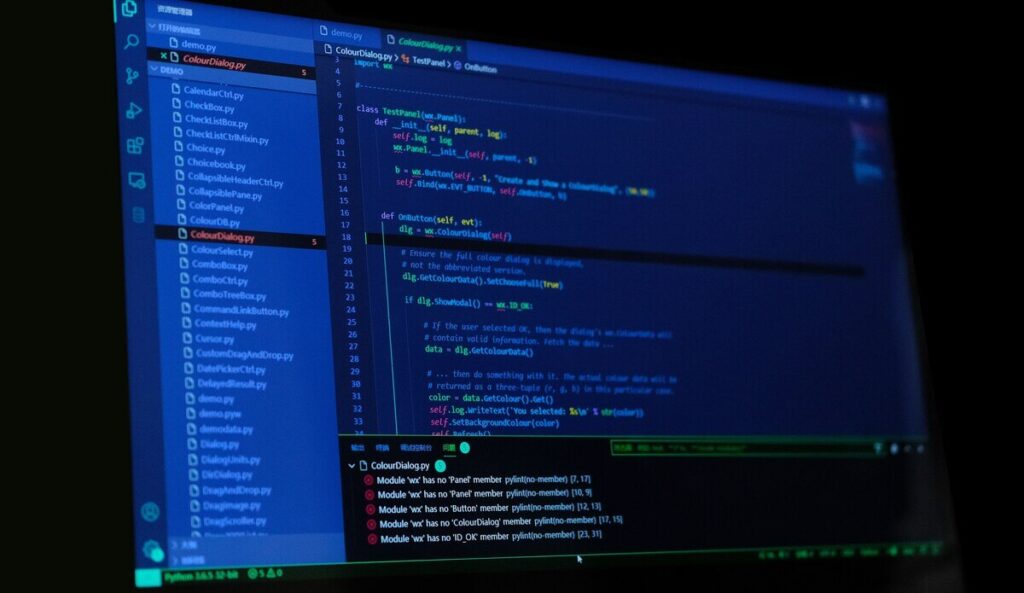
The virus was initially sent out as a “joke” by de Guzman and his friend Reonel Ramones, targeting their classmates and friends via email. By exploiting human emotions like love, the virus tricked victims into opening an attachment that seemed harmless. The email appeared with the subject line “ILOVEYOU” and an attachment titled “LOVE-LETTER-FOR-YOU.TXT.vbs,” which contained a Visual Basic Script. This script, once clicked, activated the virus and began its spread.
De Guzman, driven by a belief that Internet access was a fundamental right, did not view his actions as illegal. He even used principles from his thesis project, which aimed to acquire Windows passwords and extract information about internet accounts from a victim’s computer. He exploited a bug in Windows 95 that allowed email attachments to run code automatically when clicked, which ultimately led to the virus’s global reach. What started as a harmless prank soon spiraled out of control, wreaking havoc worldwide as the worm spread rapidly across systems, causing financial and data losses on a massive scale.
Here’s why you can consider VPN as a safe tool to avoid online viruses:
Encryption Protection
A VPN encrypts all your internet traffic, making it challenging for viruses to get into your device through unsecured connections. This means your data remains safe and secure as it travels between your device and the internet.
Anonymity Shield
By masking your IP address and location, a VPN provides anonymity, preventing tracking and profiling that could expose you to targeted malware attacks. This anonymity prevents scammers from accessing your personal data such as your passwords, financial data, and browsing history — especially when you’re using public Wi-Fi networks or Wi-Fi hotspots.
Ad/Tracker Blocking
These features prevent you from accessing websites harboring malware through malicious ads or trackers. By blocking these elements, VPNs reduce the risk of clicking on ads embedded with malicious files.
Wireguard Protocol
It’s very important to know what kind of protocol a VPN uses before you choose it. There are different protocols that give different levels of speed, security, and compatibility. Some focus on strong encryption and high security, while others offer faster connections for games and streaming.
The WireGuard VPN protocol is a new player in the world of VPN technology, designed to offer a more secure, faster, and simpler way to protect your online activity. By using state-of-the-art cryptographic techniques, this ensures a quicker setup and almost instant connections, often taking just 1-2 seconds to establish a secure link.
So whether you’re gaming, streaming, coding, or just love browsing freely – using a reputable VPN service is a must-have layer of security in 2025. TurisVPN offers super security with the new WireGuard VPN protocol.
You can connect to a new IP from your origin location, Singapore, or the USA, with a free 3GB data allowance per day with the free version – perfect for browsing around the internet safely.
Bottom line
The ILOVEYOU virus incident has demonstrated the severity of online threats. To safeguard against online viruses, remember to always be vigilant, ensure regular software updates, utilize tools like VPNs, and exercise caution with email attachments and links.
FAQs
Q1. Is the First Computer Virus in the Philippines the First in the World?
No, the first computer virus in the Philippines, known as the ILOVEYOU virus, was not the first in the world. While the ILOVEYOU virus was one of the most destructive and widely spread, the first-ever recorded computer virus is generally considered to be the Creeper virus, created in 1971. Creeper was designed as a harmless experiment, displaying a message without causing harm. However, the ILOVEYOU virus, created in 2000, is notable for its global impact and the massive disruption it caused.
Q2. What is the first computer virus?
The first recognized computer virus is the Creeper virus, developed in 1971 by Bob Thomas at BBN Technologies. Unlike modern malicious viruses, Creeper was a simple experiment meant to demonstrate the idea of a self-replicating program. It displayed the message, “I’M THE CREEPER. CATCH ME IF YOU CAN!” without causing any harm.